


- Lior mor
- •
- 8 Min Read
- •
- 11 seconds ago
Key Points
- Xpeng plans large scale production of flying cars starting in 2027
- Humanoid robots expected to launch commercially by late 2026
- Global expansion and partnerships could drive long term growth beyond China
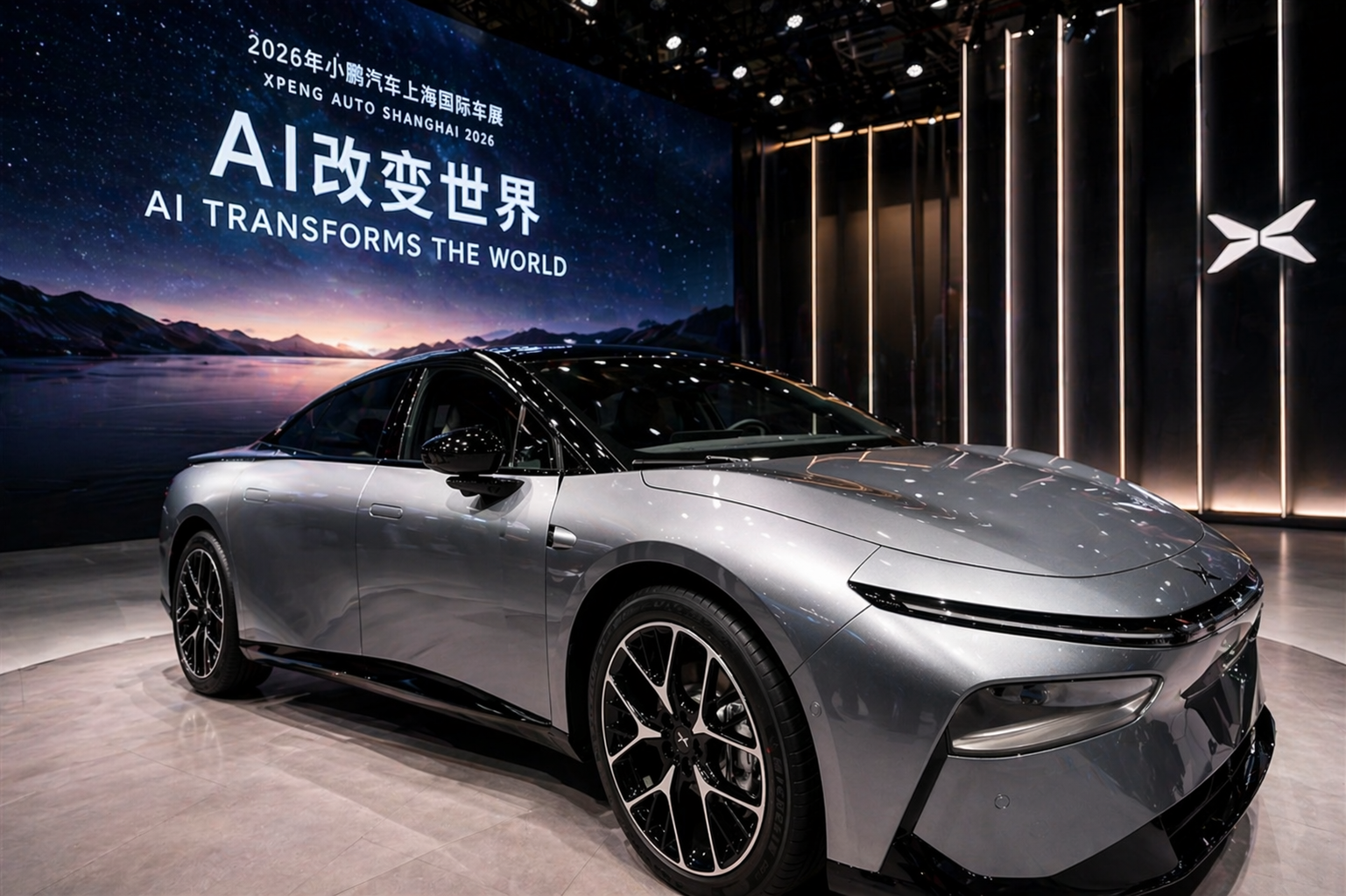
Chinese electric vehicle maker Xpeng is positioning itself at the intersection of next generation mobility and artificial intelligence, signaling ambitions that extend far beyond traditional automotive manufacturing. The company expects to begin delivering flying cars by 2027 while accelerating development in robotics and autonomous driving, reflecting a broader shift in how mobility and technology are converging globally.
Flying Cars Move Closer to Commercial Reality
Xpeng announcement that it plans to start large scale production of flying cars by 2027 marks a significant milestone in the evolution of urban mobility. The company has already received more than 7,000 pre orders, primarily within China, indicating early demand despite the technology still being in its regulatory and testing phase.
The rollout will depend heavily on approvals from aviation authorities, a process that remains complex and region specific. However, the timeline suggests that Xpeng is moving beyond concept stage into commercialization, aiming to establish a first mover advantage in what could become a high growth niche market.
If successful, flying vehicles could redefine transportation in densely populated cities, particularly in Asia where congestion remains a structural challenge.
Robotics Strategy Signals Long Term Transformation
Beyond mobility, Xpeng is investing heavily in humanoid robots, with initial deployments expected in late 2026. These robots will first be used in customer facing roles such as reception and sales, providing a controlled environment to refine capabilities before broader adoption.
The company leadership has indicated that robotics could eventually surpass its automotive business in scale within the next decade or two. This reflects a strategic bet on artificial intelligence driven automation becoming a core part of daily life, from service industries to potentially more complex tasks.
This approach aligns with a wider industry trend where technology companies are diversifying into robotics as a natural extension of AI capabilities.
Partnerships and Global Expansion as Growth Drivers
Xpeng is also pursuing international growth and strategic partnerships to scale its technologies. Collaboration with Volkswagen highlights how legacy automakers are increasingly turning to Chinese EV firms for innovation and cost efficiency.
The partnership has already resulted in joint EV production, and both companies have signaled interest in expanding cooperation. Such alliances allow Xpeng to access global markets while leveraging established manufacturing and distribution networks.
Currently operating in around 60 countries, Xpeng aims to generate more than half of its revenue from international markets within the next decade. This shift underscores the importance of geographic diversification in sustaining long term growth.
Robotaxis and Autonomous Ecosystem Development
Another key pillar of Xpeng strategy is autonomous driving. The company plans to begin robotaxi testing in Guangzhou this year, with production of hundreds to thousands of units expected over the next 12 to 18 months.
This initiative places Xpeng in direct competition with global players seeking to commercialize autonomous mobility. The integration of robotaxis, flying cars, and AI driven systems suggests the company is building a comprehensive ecosystem rather than focusing on a single product category.
Such an ecosystem approach could create multiple revenue streams while reinforcing technological synergies across platforms.
Outlook Hinges on Execution and Regulation
Looking ahead, Xpeng ambitious roadmap presents both significant opportunities and substantial risks. The success of flying cars and robotics will depend not only on technological execution but also on regulatory approvals, infrastructure development, and consumer adoption.
While investor enthusiasm may build around these future facing initiatives, timelines could shift given the complexity of scaling such innovations. Still, the company strategic direction reflects a broader transformation within the automotive sector, where the boundaries between vehicles, software, and intelligent systems are rapidly dissolving.
If Xpeng can execute effectively, it may emerge not just as an EV manufacturer but as a leading player in the next era of mobility and automation.
Comparison, examination, and analysis between investment houses
Leave your details, and an expert from our team will get back to you as soon as possible
* This article, in whole or in part, does not contain any promise of investment returns, nor does it constitute professional advice to make investments in any particular field.
To read more about the full disclaimer, click here
- omer bar
- •
- 8 Min Read
- •
- ago 1 hour
SKN | Can Univity Challenge Starlink and Redefine Europe’s Satellite Internet Market?
Europe’s satellite communications race is entering a new phase as Univity secures fresh funding to expand its ambitions of becoming
- ago 1 hour
- •
- 8 Min Read
Europe’s satellite communications race is entering a new phase as Univity secures fresh funding to expand its ambitions of becoming

- Ronny Mor
- •
- 8 Min Read
- •
- ago 3 hours
SKN | Is Alibaba’s Qwen App Redefining Travel Booking with AI-Powered Conversations?
Alibaba Group Holding Ltd. is expanding the role of artificial intelligence in everyday consumer interactions, embedding flight booking capabilities directly
- ago 3 hours
- •
- 8 Min Read
Alibaba Group Holding Ltd. is expanding the role of artificial intelligence in everyday consumer interactions, embedding flight booking capabilities directly
- omer bar
- •
- 7 Min Read
- •
- ago 3 hours
SKN | Is Microsoft’s $18 Billion AI Bet Set to Transform Australia into a Global Tech Hub?
Microsoft is making one of its most significant international bets on artificial intelligence, committing A$25 billion ($17.9 billion) to expand
- ago 3 hours
- •
- 7 Min Read

Microsoft is making one of its most significant international bets on artificial intelligence, committing A$25 billion ($17.9 billion) to expand

- Lior mor
- •
- 8 Min Read
- •
- ago 3 hours
SKN | Are Tencent and Alibaba’s DeepSeek Talks Signaling a New Power Shift in China’s AI Race?
Tencent Holdings Ltd. and Alibaba Group Holding Ltd. are exploring participation in the first major funding round of DeepSeek, a
- ago 3 hours
- •
- 8 Min Read
Tencent Holdings Ltd. and Alibaba Group Holding Ltd. are exploring participation in the first major funding round of DeepSeek, a

