


- Lior mor
- •
- 7 Min Read
- •
- 15 seconds ago
Key Points
- U.S. inflation is expected to spike with CPI projected to rise 1%—the fastest monthly increase since 2022.
- Surging gasoline prices driven by the Iran war are the primary catalyst.
- Persistent inflation pressures may force the Federal Reserve to delay or reconsider rate cuts.

Inflation Set for Sharp Rebound in First Post-War Snapshot
The first major inflation reading since the escalation of the Iran war is expected to show a significant surge in U.S. price pressures. Economists forecast a 1% monthly increase in the Consumer Price Index (CPI) for March, marking the fastest pace of inflation since 2022.
The primary driver is energy. Gasoline prices have risen by roughly $1 per gallon over the past month, delivering an immediate and visible impact on consumers. Unlike other components of inflation, energy costs feed quickly into headline figures, making this report a critical test of how geopolitical shocks translate into macroeconomic outcomes.
This data point is particularly important because it represents the first clear measurement of how the war is filtering into the real economy.
Energy Shock Reshapes Inflation Dynamics
The surge in inflation is closely tied to disruptions in global oil markets. The conflict in the Middle East has significantly constrained supply, with oil prices previously approaching $120 per barrel as key infrastructure came under threat and the Strait of Hormuz faced effective closure.
This type of supply-driven inflation presents a unique challenge. Unlike demand-driven price increases, which central banks can moderate through tighter monetary policy, energy shocks are harder to control and often ripple through multiple sectors.
Higher fuel costs increase transportation and production expenses, which are then passed on to consumers. This creates a broad-based inflationary effect that extends beyond energy into goods and services.
Core Inflation Signals Underlying Pressure
Even before the impact of the war, inflation trends were showing signs of persistence. Core CPI, which excludes volatile food and energy prices, is expected to rise 0.3% for the month, while the Federal Reserve’s preferred measure—the core PCE index—likely increased 0.4% in February.
These figures suggest that underlying inflation was already proving difficult to contain. The addition of an energy shock complicates the picture further, potentially halting or reversing progress toward the Fed’s inflation target.
This combination—sticky core inflation and rising headline inflation—creates a more challenging environment for policymakers.
Federal Reserve Faces a Narrow Policy Path
The inflation outlook is directly influencing expectations for monetary policy. With price pressures intensifying, the Federal Reserve may find it difficult to justify rate cuts in the near term.
Markets have already begun adjusting expectations, with investors increasingly pricing in a prolonged period of higher interest rates. The release of the Fed’s latest meeting minutes is expected to provide further insight into how policymakers are assessing the risks stemming from the Iran conflict.
At the same time, the labor market remains relatively stable, reducing the urgency for immediate easing. This balance between resilient employment and rising inflation places the Fed in a constrained position.
Broader Economic Signals Under Scrutiny
Beyond inflation data, upcoming economic reports will help gauge how rising energy costs are affecting consumer behavior and economic momentum. Measures of personal spending, income growth, and service sector activity will offer additional clues about whether higher prices are beginning to weigh on demand.
Consumer sentiment will also be closely watched, as rising fuel costs tend to have an outsized psychological impact on households. If confidence weakens, it could signal a broader slowdown in economic activity.
Looking ahead, the key question is whether the inflation spike proves temporary or becomes more entrenched. If energy prices stabilize, inflation may moderate in the coming months. However, if geopolitical tensions persist and supply disruptions continue, the current surge could mark the beginning of a new inflation cycle.
Comparison, examination, and analysis between investment houses
Leave your details, and an expert from our team will get back to you as soon as possible
* This article, in whole or in part, does not contain any promise of investment returns, nor does it constitute professional advice to make investments in any particular field.
To read more about the full disclaimer, click here
- Ronny Mor
- •
- 6 Min Read
- •
- ago 1 day
SKN | IMF Warns Tokenized Finance Could Amplify Market Crises: Innovation Meets Systemic Risk
The International Monetary Fund (IMF) has raised concerns that the rapid growth of tokenized finance could introduce new vulnerabilities
- ago 1 day
- •
- 6 Min Read
The International Monetary Fund (IMF) has raised concerns that the rapid growth of tokenized finance could introduce new vulnerabilities

- omer bar
- •
- 6 Min Read
- •
- ago 2 days
SKN | APM Terminals Expands Rail Capacity at Port of Los Angeles: Supply Chain Efficiency Enters a New Phase
APM Terminals has completed a $73 million rail expansion project at the Port of Los Angeles, marking a significant
- ago 2 days
- •
- 6 Min Read
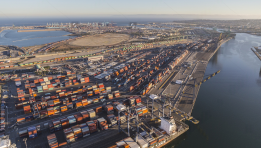
APM Terminals has completed a $73 million rail expansion project at the Port of Los Angeles, marking a significant

- orshu
- •
- 6 Min Read
- •
- ago 2 days
SKN | Trump’s $2.2 Trillion Budget Plan: Defense Expansion Signals Strategic Shift in US Fiscal Policy
Former President Donald Trump’s proposed $2.2 trillion federal budget is drawing attention across global financial markets, as it combines
- ago 2 days
- •
- 6 Min Read

Former President Donald Trump’s proposed $2.2 trillion federal budget is drawing attention across global financial markets, as it combines
- Ronny Mor
- •
- 10 Min Read
- •
- ago 2 days
SKN | Why Is Gasoline $15 in Hong Kong While U.S. Prices Hover Near $4?
As gasoline prices in the United States climb toward $4 per gallon, global disparities in fuel costs are becoming increasingly
- ago 2 days
- •
- 10 Min Read

As gasoline prices in the United States climb toward $4 per gallon, global disparities in fuel costs are becoming increasingly

