


- omer bar
- •
- 7 Min Read
- •
- 18 seconds ago
Key Points
- The United States is set to impose a naval blockade on ships entering and leaving Iranian ports starting Monday, escalating geopolitical tensions in the region.
- The move raises concerns over potential disruptions to global energy supply chains and shipping routes in the Persian Gulf.
- Markets are expected to reprice geopolitical risk across oil, freight, and insurance sectors as uncertainty intensifies.

The United States’ reported decision to block ships entering and leaving Iranian ports beginning Monday marks a significant escalation in geopolitical tensions centered on one of the world’s most strategically important maritime regions. The development comes at a sensitive time for global energy markets, where supply chains remain tightly balanced and already exposed to volatility stemming from geopolitical risk factors. Investors are closely assessing the potential economic and financial consequences of any disruption to Middle Eastern shipping routes.
Strategic Pressure on Maritime Energy Routes
The Strait of Hormuz and surrounding waters serve as a critical corridor for global crude oil and liquefied natural gas shipments. Any restriction on shipping activity in the region has the potential to affect a significant share of global energy flows. The reported US blockade introduces a new layer of uncertainty, particularly for vessel operators, insurers, and commodity traders who rely on predictable maritime access.
Shipping firms operating in the Gulf are expected to face immediate logistical reassessments, including route adjustments, increased security protocols, and higher insurance premiums. Even partial disruptions to port access can create bottlenecks that ripple through global supply chains, especially in energy and petrochemical markets.
Energy Markets and Risk Repricing
Oil markets are likely to react swiftly to any confirmation or implementation of the blockade, as traders typically price in geopolitical risk premiums when supply routes face potential interruption. Brent and WTI crude futures are particularly sensitive to developments in the Persian Gulf due to the region’s outsized role in global production and exports.
Beyond crude oil, liquefied natural gas markets may also experience heightened volatility, given their reliance on coordinated shipping schedules and limited alternative routing options. The combination of energy and freight market exposure increases the likelihood of correlated price movements across commodities and shipping indices.
For investors, the key transmission channel remains expectations around supply security rather than immediate physical shortages. Historically, even perceived threats to Middle Eastern maritime routes have been sufficient to trigger sharp short-term price adjustments across energy benchmarks.
Broader Macro and Financial Market Implications
A prolonged escalation could carry broader macroeconomic consequences, particularly through inflationary pressures linked to rising energy and transportation costs. Higher oil prices tend to feed into production expenses, logistics chains, and consumer prices, complicating monetary policy decisions in major economies such as the United States and the Eurozone.
Financial markets may also see increased volatility in risk assets if geopolitical tensions intensify. Equity markets with exposure to industrial production, transportation, and consumer discretionary sectors are particularly sensitive to energy input costs. At the same time, energy producers may benefit from improved pricing conditions, reinforcing sector divergence within global indices.
In Israel and across emerging markets with trade exposure to global energy pricing, the development is being closely monitored as part of broader macro risk assessments. Currency markets may also react to shifts in risk sentiment, particularly in commodity-linked economies.
Looking ahead, investors will focus on whether the blockade is fully implemented, whether diplomatic channels remain open, and how quickly global shipping and energy markets adjust. Any escalation beyond initial enforcement could amplify volatility across commodities, freight, and equities, while de-escalation could quickly unwind part of the risk premium currently embedded in prices.
Comparison, examination, and analysis between investment houses
Leave your details, and an expert from our team will get back to you as soon as possible
* This article, in whole or in part, does not contain any promise of investment returns, nor does it constitute professional advice to make investments in any particular field.
To read more about the full disclaimer, click here
- sagi habasov
- •
- 7 Min Read
- •
- ago 47 minutes
SKN | Oil Prices Jump as Geopolitical Tensions Flare After Trump Threatens Strait of Hormuz Disruption
Oil prices moved higher in global trading after heightened geopolitical tensions escalated following remarks attributed to former US President Donald
- ago 47 minutes
- •
- 7 Min Read
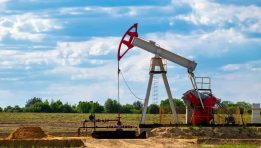
Oil prices moved higher in global trading after heightened geopolitical tensions escalated following remarks attributed to former US President Donald

- omer bar
- •
- 7 Min Read
- •
- ago 1 hour
SKN | Can Oil and Gas Markets Sustain the Surge as Hormuz Tensions Escalate Global Energy Risk?
Oil and natural gas prices climbed sharply as geopolitical tensions surrounding the Strait of Hormuz intensified, raising fears of potential
- ago 1 hour
- •
- 7 Min Read

Oil and natural gas prices climbed sharply as geopolitical tensions surrounding the Strait of Hormuz intensified, raising fears of potential
- omer bar
- •
- 6 Min Read
- •
- ago 2 days
SKN | Is Gold’s Volatility Signaling Uncertainty Ahead of U.S.–Iran Talks?
Gold prices are trading in a narrow but volatile range as investors closely monitor upcoming diplomatic talks between the U.S.
- ago 2 days
- •
- 6 Min Read

Gold prices are trading in a narrow but volatile range as investors closely monitor upcoming diplomatic talks between the U.S.
- omer bar
- •
- 7 Min Read
- •
- ago 3 days
SKN | Is Gold’s Weekly Gain Signaling Renewed Strength or Ongoing Market Uncertainty?
Gold prices are edging higher once again, with bullion on track for a third consecutive weekly gain as investors weigh
- ago 3 days
- •
- 7 Min Read

Gold prices are edging higher once again, with bullion on track for a third consecutive weekly gain as investors weigh

