Key Points

  • Fuel prices could exceed $5 per gallon if disruptions persist beyond mid-April.
  • Energy-driven inflation may erode consumer spending and economic momentum.
  • Geopolitical developments will remain the primary catalyst for market direction.
hero

Rising geopolitical tensions in the Middle East are rapidly translating into economic pressure for U.S. consumers, as disruptions in the Strait of Hormuz threaten global oil supply. With crude prices climbing above $110 per barrel and gasoline already nearing $4.12 nationwide, analysts warn that a prolonged closure of the critical shipping route could push fuel prices beyond $5 per gallon—levels not seen since the peak of the 2022 energy crisis. The implications extend far beyond the pump, potentially reshaping inflation expectations, consumer spending, and broader market sentiment.

Energy Markets React to Supply Shock

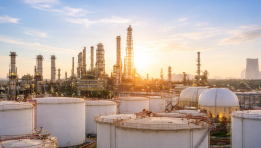
The Strait of Hormuz, a strategic chokepoint responsible for roughly 20% of global oil flows, has effectively stalled amid escalating conflict involving Iran. This disruption has sent immediate shockwaves through energy markets, with Brent crude surpassing $109 and spot cargo prices in the North Sea spiking above $140 per barrel—levels not observed since 2008.

Such sharp price movements reflect not only current supply constraints but also heightened risk premiums embedded by traders anticipating prolonged instability. Historically, markets tend to overreact in early stages of geopolitical crises, yet sustained disruptions often validate these price spikes. In this case, limited spare production capacity and logistical bottlenecks are amplifying the upward pressure.

U.S. Consumers Face Mounting Pressure

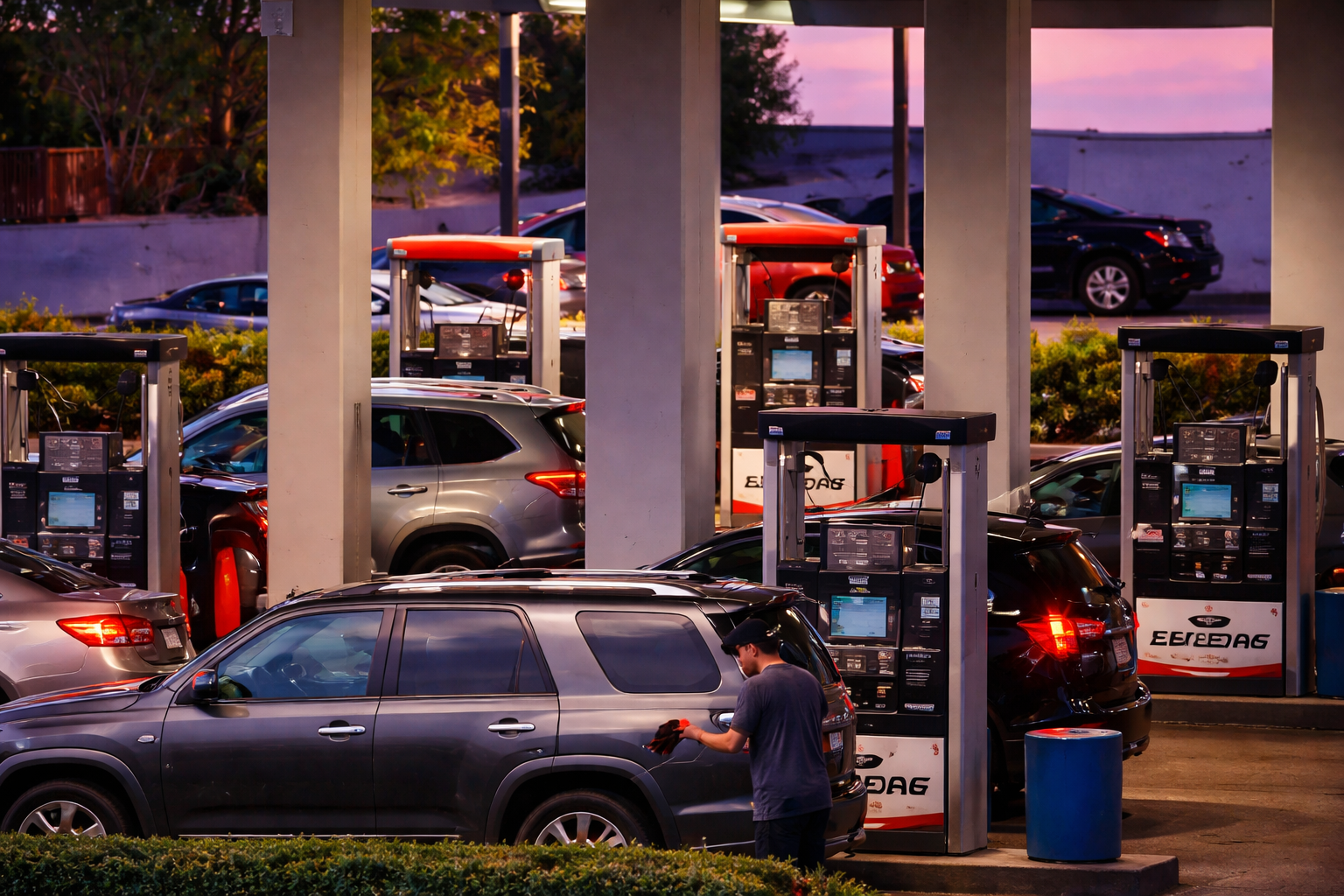
The rapid increase in fuel prices is already being felt across the United States. National averages have climbed nearly $0.80 in just one month, with certain regions experiencing even sharper increases. California, for example, is nearing $6 per gallon in some cities, while diesel prices have reached record highs.

According to JPMorgan estimates, every $0.10 rise in gasoline prices adds approximately $12 billion in annual consumer spending on fuel. If current levels persist, the cumulative impact could reach $100 billion, effectively offsetting fiscal relief measures and reducing disposable income. This creates a feedback loop where higher energy costs suppress consumption, particularly in discretionary sectors such as retail and travel.

Inflation Risks and Policy Implications

Elevated energy prices pose a renewed challenge for inflation management, particularly as central banks attempt to stabilize economies following previous tightening cycles. Fuel costs are a direct input into transportation and manufacturing, meaning their impact quickly cascades into broader price indices.

For policymakers, the situation presents a dilemma. Aggressive monetary tightening to combat inflation could further strain economic growth, while a more cautious approach risks allowing inflation expectations to become entrenched. Meanwhile, fiscal measures may offer only temporary relief if underlying supply constraints remain unresolved.

Investor psychology also plays a critical role. Periods of geopolitical uncertainty often trigger risk-off behavior, pushing capital toward safe-haven assets while increasing volatility across equities and commodities. The current environment suggests heightened sensitivity to headlines, with markets reacting swiftly to any developments in the conflict.

Global Ripple Effects and Supply Chain Strain

The impact of the Strait’s disruption is not confined to the United States. Several smaller Asian economies are already reporting energy shortages, reduced transportation capacity, and operational disruptions. This underscores the interconnected nature of global energy markets, where localized conflicts can quickly escalate into widespread economic challenges.

Refining constraints and reliance on imported fuel further complicate the outlook, particularly on the U.S. West Coast, where structural factors amplify price volatility. As supply chains tighten, the risk of cascading disruptions across industries—from aviation to manufacturing—continues to rise.

Looking ahead, market participants will closely monitor geopolitical developments, particularly any resolution involving the reopening of the Strait of Hormuz. A sustained closure could entrench higher energy prices, while a diplomatic breakthrough may trigger a sharp reversal. Until clarity emerges, volatility is likely to remain elevated, with energy markets serving as a central driver of both inflation trends and investor sentiment.


Comparison, examination, and analysis between investment houses

Leave your details, and an expert from our team will get back to you as soon as possible

    * This article, in whole or in part, does not contain any promise of investment returns, nor does it constitute professional advice to make investments in any particular field.

    To read more about the full disclaimer, click here
    SKN | Are Global Oil Markets Signaling an Imminent Supply Crisis Amid Historic Disruptions?
    • Lior mor
    • 9 Min Read
    • ago 31 minutes

    SKN | Are Global Oil Markets Signaling an Imminent Supply Crisis Amid Historic Disruptions? SKN | Are Global Oil Markets Signaling an Imminent Supply Crisis Amid Historic Disruptions?

    The global oil market has undergone a dramatic in just a matter of weeks, shifting from surplus conditions to what

    • ago 31 minutes
    • 9 Min Read

    The global oil market has undergone a dramatic in just a matter of weeks, shifting from surplus conditions to what

    SKN | Is Oil Entering an “Avalanche Phase” as Trump Signals Imminent Iran Escalation?
    • sagi habasov
    • 7 Min Read
    • ago 11 hours

    SKN | Is Oil Entering an “Avalanche Phase” as Trump Signals Imminent Iran Escalation? SKN | Is Oil Entering an “Avalanche Phase” as Trump Signals Imminent Iran Escalation?

    Oil Prices Surge as Markets Price Immediate Escalation Risk Oil markets have sharply repriced higher, with West Texas Intermediate climbing

    • ago 11 hours
    • 7 Min Read

    Oil Prices Surge as Markets Price Immediate Escalation Risk Oil markets have sharply repriced higher, with West Texas Intermediate climbing

    SKN | India Returns to Iranian Oil After 7 Years—Is Energy Security Redefining Its Global Alliances?
    • Lior mor
    • 9 Min Read
    • ago 23 hours

    SKN | India Returns to Iranian Oil After 7 Years—Is Energy Security Redefining Its Global Alliances? SKN | India Returns to Iranian Oil After 7 Years—Is Energy Security Redefining Its Global Alliances?

    India has resumed oil and gas imports from Iran for the first time since 2019, marking a significant shift in

    • ago 23 hours
    • 9 Min Read

    India has resumed oil and gas imports from Iran for the first time since 2019, marking a significant shift in

    SKN | Is Trump’s Hormuz Ultimatum Pushing Oil Markets Toward a Breaking Point?
    • omer bar
    • 7 Min Read
    • ago 1 day

    SKN | Is Trump’s Hormuz Ultimatum Pushing Oil Markets Toward a Breaking Point? SKN | Is Trump’s Hormuz Ultimatum Pushing Oil Markets Toward a Breaking Point?

    Global Markets React as Geopolitical Risks Intensify U.S. President Donald Trump has sharply escalated tensions in the Middle East, issuing


    • ago 1 day
    • 7 Min Read

    Global Markets React as Geopolitical Risks Intensify U.S. President Donald Trump has sharply escalated tensions in the Middle East, issuing