


- sagi habasov
- •
- 6 Min Read
- •
- 3 weeks ago
Key Points
- February core CPI rose 0.2% monthly and 2.5% annually, suggesting inflation pressures are easing gradually.
- Rising oil prices from the Iran conflict could push headline inflation higher in the coming months.
- The Federal Reserve is expected to hold interest rates steady while monitoring inflation and labor market trends.
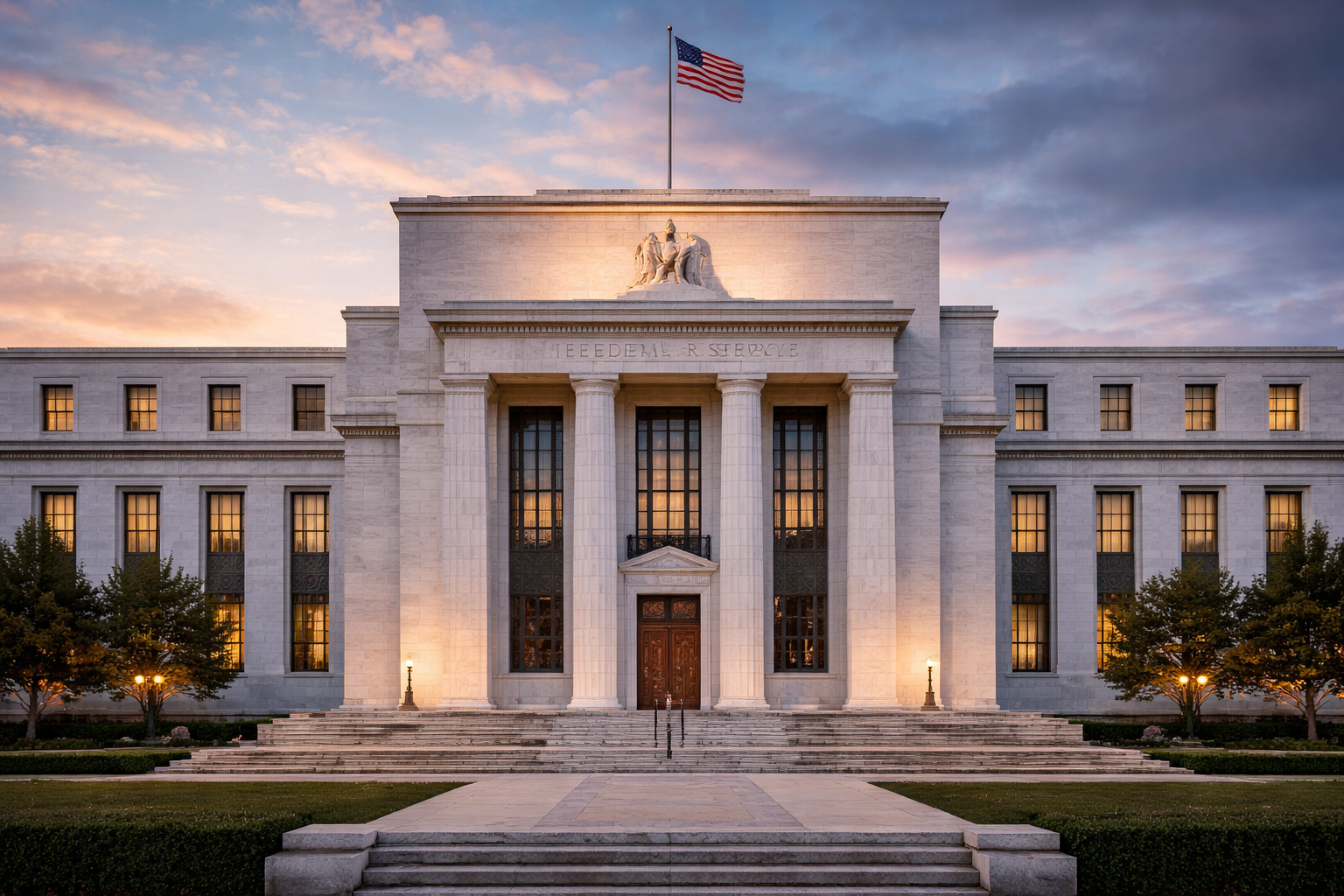
The Federal Reserve is widely expected to keep interest rates unchanged at its upcoming policy meeting as policymakers weigh cooling core inflation against rising geopolitical risks tied to surging oil prices. February’s inflation report suggested that underlying price pressures are gradually moving closer to the Fed’s 2% target, offering some reassurance to markets. However, the ongoing conflict involving Iran has pushed energy prices higher, creating new uncertainty about the trajectory of inflation in the months ahead. As a result, central bank officials are likely to maintain a cautious stance while evaluating whether energy-driven price increases could spill over into broader economic inflation.
Core Inflation Signals Gradual Progress
The February Consumer Price Index report showed that core inflation, which excludes volatile food and energy prices, rose by 0.2% month-over-month and 2.5% compared with the same period a year earlier. These figures were unchanged from January and suggest that underlying inflation pressures remain relatively contained. Because core inflation provides a clearer view of long-term pricing trends, Federal Reserve policymakers often rely on this measure when assessing the appropriate direction for monetary policy. The stable reading offers some evidence that inflation may be slowly trending toward the central bank’s target despite persistent economic uncertainties.
Energy Prices Introduce New Inflation Risks
The recent surge in oil prices linked to geopolitical tensions in the Middle East could complicate the inflation outlook. Analysts warn that the increase in crude oil may not yet be fully reflected in February’s inflation data and could begin pushing headline inflation higher in coming months. Higher energy prices can ripple through the economy by raising transportation costs, manufacturing expenses, and household energy bills. However, some economists believe the impact on core inflation may remain limited if energy volatility does not translate into broader wage or service-sector price increases.
PCE Data Remains a Key Indicator for the Fed
While the Consumer Price Index receives significant market attention, the Federal Reserve’s preferred inflation gauge is the Personal Consumption Expenditures index. Analysts expect the upcoming core PCE reading to come in closer to 3%, slightly higher than CPI-based measures. Although this remains above the Fed’s long-term target, policymakers are closely monitoring whether price growth continues to moderate. The central bank has repeatedly emphasized that sustained progress toward lower inflation—rather than short-term fluctuations—will guide future interest rate decisions.
Market Outlook
Looking ahead, the Federal Reserve appears inclined to maintain its current policy stance while monitoring developments in energy markets and the broader economy. Rising oil prices could increase headline inflation temporarily, but policymakers are likely to focus on whether those increases lead to sustained inflationary pressures. At the same time, recent signs of weakness in the labor market add another layer of complexity to the Fed’s decision-making process. Investors will therefore be watching upcoming economic data, including employment trends and inflation indicators, to determine whether the central bank might consider rate cuts later in the year.
Comparison, examination, and analysis between investment houses
Leave your details, and an expert from our team will get back to you as soon as possible
* This article, in whole or in part, does not contain any promise of investment returns, nor does it constitute professional advice to make investments in any particular field.
To read more about the full disclaimer, click here
- Lior mor
- •
- 6 Min Read
- •
- ago 9 hours
SKN | US Energy Independence or Market Illusion? Why Global Oil Dynamics Still Matter
Recent remarks suggesting that the United States is “totally independent of the Middle East” have reignited debate over the
- ago 9 hours
- •
- 6 Min Read

Recent remarks suggesting that the United States is “totally independent of the Middle East” have reignited debate over the

- sagi habasov
- •
- 9 Min Read
- •
- ago 17 hours
SKN | Is “Mild Stagflation” the New Reality as Oil Stays Near $100 Amid Iran War Disruptions?
Bank of America has sharply revised its global economic outlook, warning that the ongoing Iran conflict is driving a “mild
- ago 17 hours
- •
- 9 Min Read

Bank of America has sharply revised its global economic outlook, warning that the ongoing Iran conflict is driving a “mild

- omer bar
- •
- 6 Min Read
- •
- ago 21 hours
SKN | Australia Extends $693 Million in Low-Cost Loans to Businesses to Ease Fuel Price Pressures
Amid rising fuel prices and supply constraints, the Australian government has introduced a $693 million low-interest loan program for businesses.
- ago 21 hours
- •
- 6 Min Read
Amid rising fuel prices and supply constraints, the Australian government has introduced a $693 million low-interest loan program for businesses.

- Ronny Mor
- •
- 8 Min Read
- •
- ago 1 day
SKN | Is the Federal Reserve Preparing for Policy Whiplash as Inflation and Labor Risks Collide?
Fed Signals Strategic Flexibility Amid Rising Uncertainty Federal Reserve Bank of St. Louis President Alberto Musalem has reinforced a critical
- ago 1 day
- •
- 8 Min Read

Fed Signals Strategic Flexibility Amid Rising Uncertainty Federal Reserve Bank of St. Louis President Alberto Musalem has reinforced a critical


