


- Ronny Mor
- •
- 7 Min Read
- •
- 2 hours ago
Key Points
- The Federal Reserve maintains its outlook for one rate cut in 2026 despite rising oil prices.
- Internal projections show a shift toward fewer cuts, signaling growing caution among policymakers.
- Higher inflation forecasts complicate the path for monetary easing and market expectations.
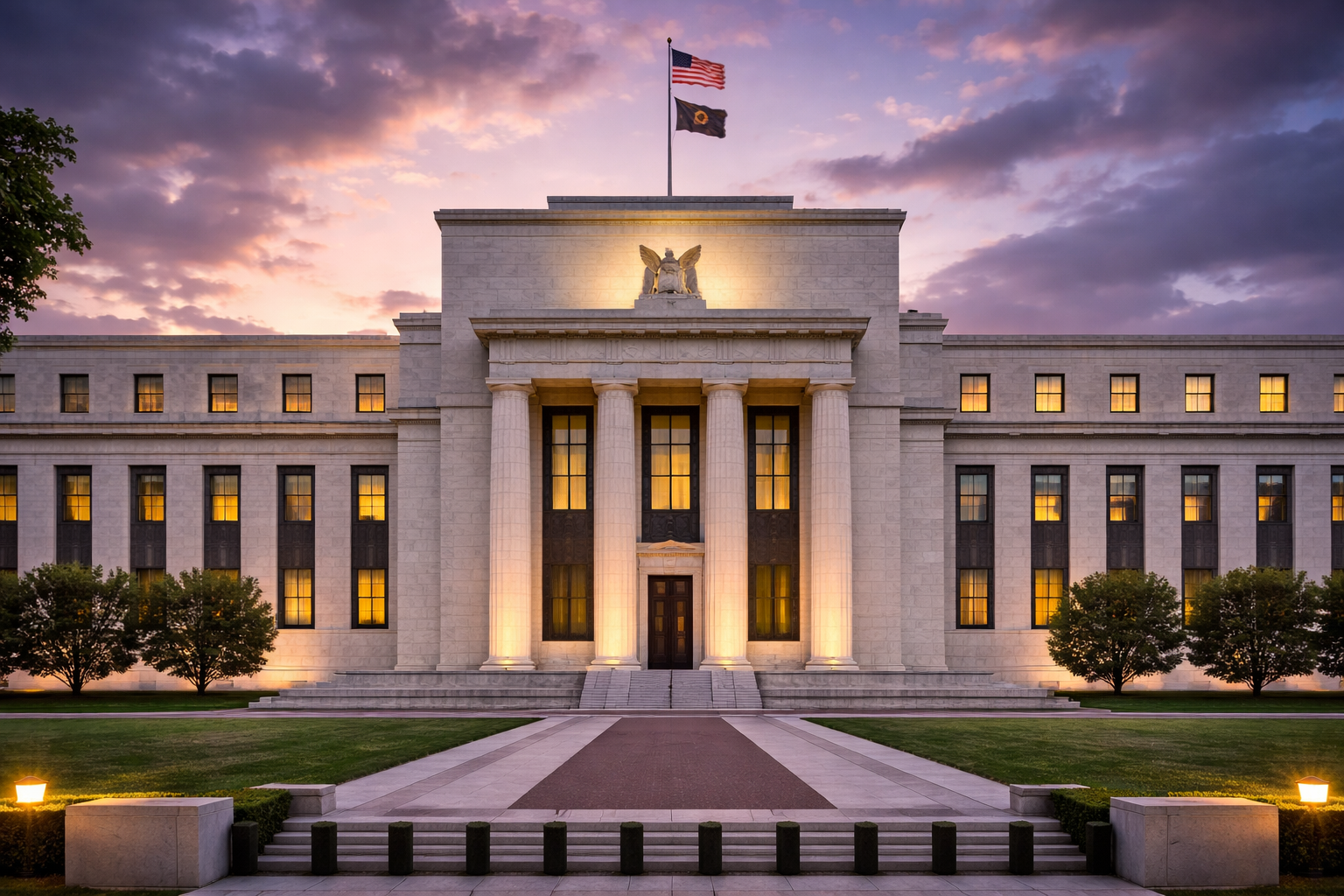
The Federal Reserve has signaled a more cautious path for monetary policy, maintaining expectations for a single interest rate cut this year despite rising oil prices and persistent inflation pressures. While headline projections remain unchanged, underlying shifts in policymakers’ views suggest a growing divergence within the central bank, reflecting increased uncertainty tied to geopolitical risks and energy-driven inflation dynamics.
Dot Plot Stability Masks a Hawkish Shift
At first glance, the Fed’s latest “dot plot” appears unchanged, with a median federal funds rate projection of 3.4% by the end of 2026. However, a deeper analysis reveals a notable shift in sentiment among policymakers. Several officials revised their expectations from two rate cuts to just one, indicating a more hawkish tilt beneath the surface.
Fed Chair Jerome Powell acknowledged this shift, emphasizing that while the median forecast remained stable, the distribution of views had moved toward fewer reductions. This subtle but meaningful change suggests that the Fed is becoming increasingly cautious about easing policy too quickly, particularly in an environment where inflation risks remain elevated.
Oil Prices and Inflation Complicate Policy Decisions
The resurgence in oil prices, driven by geopolitical tensions in the Middle East, is adding a new layer of complexity to the Fed’s policy framework. Energy shocks historically act as supply-side inflation drivers, which central banks typically “look through,” but persistent increases can feed into broader inflation expectations.
The Fed’s updated projections reflect this concern. Personal consumption expenditures (PCE) inflation is now expected to reach 2.7% in 2026, up from 2.4% previously, while core inflation is also projected at 2.7%. These upward revisions reinforce the idea that inflation may remain above the Fed’s 2% target longer than anticipated, limiting the scope for aggressive rate cuts.
At the same time, economic growth forecasts have edged slightly higher, with GDP expected to expand by 2.4%. This combination of resilient growth and sticky inflation places the Fed in a delicate position, balancing the risk of overtightening against the danger of reigniting inflation.
Market Expectations and Policy Divergence
Financial markets have already begun adjusting to this evolving narrative. Interest rate futures now largely price in just one rate cut for the year, aligning more closely with the Fed’s internal projections. Earlier expectations of multiple cuts have been scaled back as inflation data and geopolitical developments shift the macroeconomic outlook.
This recalibration also highlights a broader divergence between policymakers and investors. While markets tend to anticipate faster easing cycles, the Fed’s current stance underscores a commitment to data dependency and caution. The transition in leadership expectations, with potential changes following Powell’s term, adds another layer of uncertainty to the policy trajectory.
Forward Outlook: Navigating Uncertainty in a Volatile Macro Environment
Looking ahead, the Fed’s policy path will likely hinge on the interplay between energy prices, inflation trends, and labor market resilience. A sustained rise in oil prices could delay easing further, while any signs of economic slowdown may revive calls for additional rate cuts. For investors, this environment reinforces the importance of flexibility and risk management, as shifting expectations around monetary policy continue to influence asset valuations, bond yields, and equity market dynamics across both U.S. and global markets.
Comparison, examination, and analysis between investment houses
Leave your details, and an expert from our team will get back to you as soon as possible
* This article, in whole or in part, does not contain any promise of investment returns, nor does it constitute professional advice to make investments in any particular field.
To read more about the full disclaimer, click here
- omer bar
- •
- 8 Min Read
- •
- ago 18 seconds
SKN | Can the Fed Look Past the Oil Shock? Powell Signals Temporary Impact Amid Rising Risks
The Federal Reserve is attempting to strike a delicate balance as geopolitical tensions drive oil prices higher, with Chair Jerome
- ago 18 seconds
- •
- 8 Min Read

The Federal Reserve is attempting to strike a delicate balance as geopolitical tensions drive oil prices higher, with Chair Jerome
- omer bar
- •
- 6 Min Read
- •
- ago 1 day
SKN | NY Fed Services Index Signals Ongoing Weakness Despite Slight Improvement
The latest data from the Federal Reserve Bank of New York shows that service sector activity remains under significant pressure,
- ago 1 day
- •
- 6 Min Read

The latest data from the Federal Reserve Bank of New York shows that service sector activity remains under significant pressure,

- orshu
- •
- 7 Min Read
- •
- ago 5 days
SKN | U.S. Stocks Extend Weekly Losses as $100 Oil Rekindles Global Inflation Concerns
U.S. equity markets closed the week under pressure as the Dow Jones Industrial Average, S&P 500, and Nasdaq Composite
- ago 5 days
- •
- 7 Min Read

U.S. equity markets closed the week under pressure as the Dow Jones Industrial Average, S&P 500, and Nasdaq Composite

- sagi habasov
- •
- 6 Min Read
- •
- ago 5 days
SKN | Why Vietnam Has Become the Largest Trade Surplus Holder With the United States
Vietnam has emerged as the country with the largest trade surplus with the United States, surpassing both Mexico and China
- ago 5 days
- •
- 6 Min Read

Vietnam has emerged as the country with the largest trade surplus with the United States, surpassing both Mexico and China

