


- Lior mor
- •
- 7 Min Read
- •
- 2 months ago
Key Points
- The payrolls report must balance resilience with moderation to support stocks.
- Weak data may lift rate-cut hopes but risks fueling recession fears.
- Upcoming inflation figures will further test the soft-landing narrative.
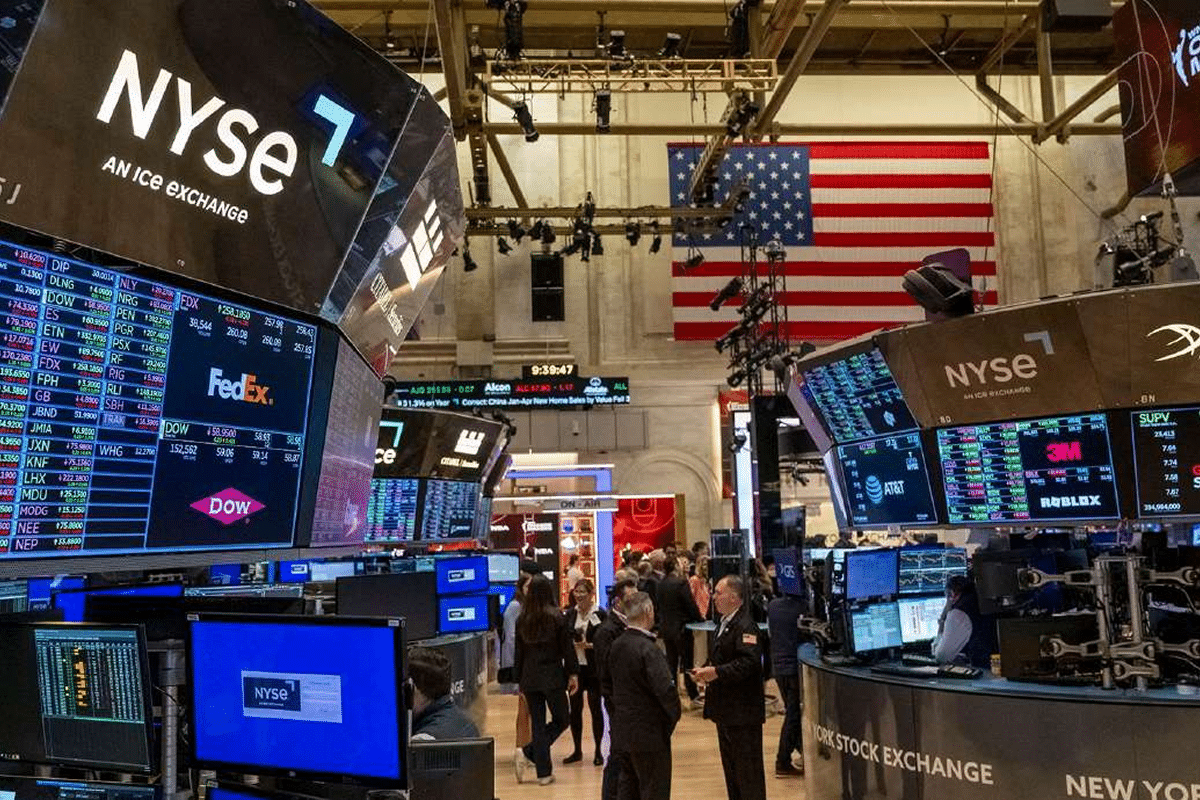
With U.S. equities hovering near historic highs, even routine labor data has taken on outsized importance. A delayed monthly payrolls report postponed due to a brief government shutdown is now landing at a particularly delicate moment for Wall Street. Investors are hoping for a “Goldilocks” outcome: strong enough to signal economic resilience, yet soft enough to keep Federal Reserve rate-cut expectations intact.
Last week’s data has already made markets uneasy. Job openings in December fell to their lowest level in five years, while consumer spending came in weaker than anticipated. The combination stirred debate about whether the U.S. economy is losing momentum just as stock valuations appear stretched.
Why This Jobs Report Matters More Than Usual
Under normal conditions, labor turnover data might not rattle markets. But today’s backdrop is different. The S&P 500 is trading near record highs, the Dow has recently crossed major milestones, and equity multiples remain elevated relative to long-term averages.
Economists surveyed by FactSet expect approximately 75,000 new jobs in January, with the unemployment rate holding steady at 4.4%. That figure sits at a critical inflection point. A significantly weaker number could reinforce fears of economic slowdown. Conversely, a strong upside surprise might push back expectations for Federal Reserve rate cuts — currently a key pillar supporting the rally.
Markets are walking a tightrope. Futures pricing suggests growing probability of rate cuts later this year, but policymakers remain data-dependent. Too much strength could embolden the Fed to keep policy tighter for longer, pressuring risk assets.
The “Bad News Is Good News” Dilemma
Over the past year, equities have often rallied on softer data, interpreting it as a signal for easier monetary policy. In the fall, a weakening labor market coincided with three consecutive Fed rate cuts that fueled a strong rebound in stocks.
This dynamic creates a paradox. A modestly weak report could underpin equities by raising hopes of further easing. However, if job growth contracts outright or signals deeper cracks in consumer demand, investor psychology could shift from relief to alarm.
Recent data already hints at fragility. Hiring announcements in January were reportedly the weakest for that month since 2009, and retail spending disappointed in December. For both U.S. and Israeli investors with exposure to American equities, the payrolls number will help determine whether this slowdown is cyclical moderation or something more structural.
Valuations Leave Little Room for Error
With price-to-earnings ratios above historical medians, markets have limited tolerance for surprises. When indices approach record levels, volatility tends to increase around key economic releases. A strong report could trigger bond-yield spikes and equity pullbacks, particularly in rate-sensitive sectors like technology and real estate.
At the same time, a modest, balanced reading — job growth that is steady but cooling — could reinforce the narrative of a soft landing. That scenario would likely stabilize yields and extend the rally into the second quarter.
What Investors Should Watch Next
Beyond the headline payroll figure, wage growth and labor force participation will be critical. Accelerating wages could revive inflation concerns, while slowing wage growth may reinforce the case for easing. Friday’s consumer price index release will add another layer to the rate outlook.
Markets are effectively asking for perfection: continued economic expansion without inflationary pressure. Whether that balance can be maintained will shape asset allocation decisions globally.
Comparison, examination, and analysis between investment houses
Leave your details, and an expert from our team will get back to you as soon as possible
* This article, in whole or in part, does not contain any promise of investment returns, nor does it constitute professional advice to make investments in any particular field.
To read more about the full disclaimer, click here
- Lior mor
- •
- 6 Min Read
- •
- ago 12 hours
SKN | US Energy Independence or Market Illusion? Why Global Oil Dynamics Still Matter
Recent remarks suggesting that the United States is “totally independent of the Middle East” have reignited debate over the
- ago 12 hours
- •
- 6 Min Read

Recent remarks suggesting that the United States is “totally independent of the Middle East” have reignited debate over the

- sagi habasov
- •
- 9 Min Read
- •
- ago 19 hours
SKN | Is “Mild Stagflation” the New Reality as Oil Stays Near $100 Amid Iran War Disruptions?
Bank of America has sharply revised its global economic outlook, warning that the ongoing Iran conflict is driving a “mild
- ago 19 hours
- •
- 9 Min Read

Bank of America has sharply revised its global economic outlook, warning that the ongoing Iran conflict is driving a “mild

- omer bar
- •
- 6 Min Read
- •
- ago 24 hours
SKN | Australia Extends $693 Million in Low-Cost Loans to Businesses to Ease Fuel Price Pressures
Amid rising fuel prices and supply constraints, the Australian government has introduced a $693 million low-interest loan program for businesses.
- ago 24 hours
- •
- 6 Min Read

Amid rising fuel prices and supply constraints, the Australian government has introduced a $693 million low-interest loan program for businesses.

- Ronny Mor
- •
- 8 Min Read
- •
- ago 1 day
SKN | Is the Federal Reserve Preparing for Policy Whiplash as Inflation and Labor Risks Collide?
Fed Signals Strategic Flexibility Amid Rising Uncertainty Federal Reserve Bank of St. Louis President Alberto Musalem has reinforced a critical
- ago 1 day
- •
- 8 Min Read

Fed Signals Strategic Flexibility Amid Rising Uncertainty Federal Reserve Bank of St. Louis President Alberto Musalem has reinforced a critical


