


- Lior mor
- •
- 7 Min Read
- •
- 55 minutes ago
Key Points
- The Federal Reserve proposes reducing capital requirements across all bank sizes.
- Officials aim to boost lending and economic activity while maintaining stability.
- Critics warn the changes could weaken the financial system’s resilience.
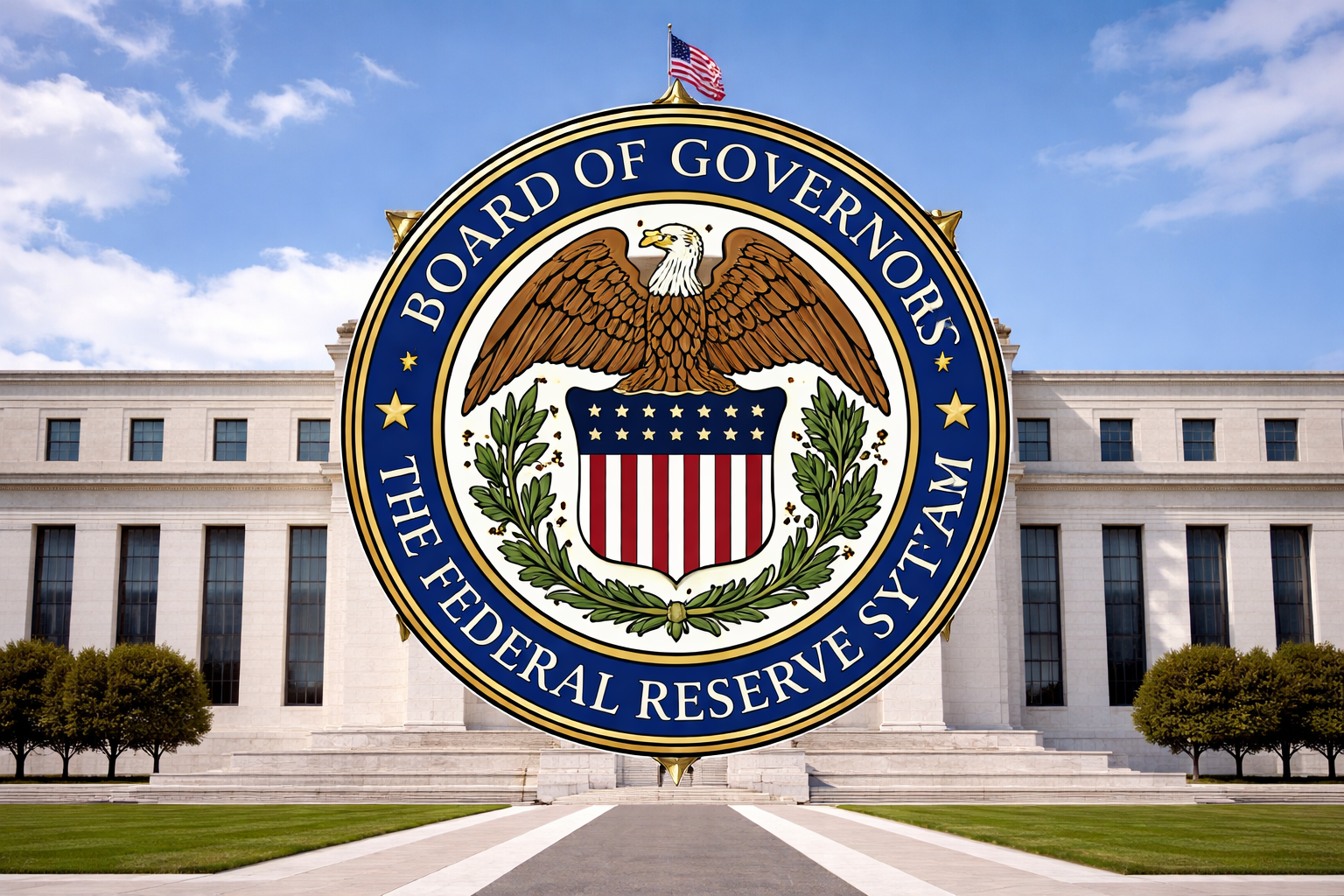
The Federal Reserve’s latest proposal to ease bank capital requirements marks a significant shift in post-crisis financial regulation, aiming to strike a balance between economic growth and financial stability. Nearly two decades after the 2008 financial crisis reshaped global banking rules, policymakers are now reassessing whether strict capital buffers are still appropriate in today’s environment. The move could unlock more lending across the economy—but it also raises concerns about resilience in the face of future shocks.
Regulatory Shift Reflects Changing Economic Landscape
Federal Reserve unveiled a proposal to recalibrate capital requirements that were originally strengthened following the Global Financial Crisis. The changes would reduce capital buffers for the largest banks by approximately 4.8%, with slightly larger reductions for mid-sized and smaller institutions.
Despite these cuts, major banks are still expected to hold more than $800 billion in capital—roughly double pre-crisis levels. This indicates that regulators are not dismantling safeguards but rather adjusting them to reflect current economic conditions and evolving risk profiles.
Fed Chair Jerome Powell emphasized that periodic reassessment is necessary to ensure regulations remain effective without becoming overly restrictive.
Balancing Lending Growth and Financial Stability
The proposal is designed to address a key concern: that excessively high capital requirements may be limiting banks’ ability to lend. Michelle Bowman argued that over-calibration can reduce competitiveness, constrain credit availability, and slow economic growth.
By easing requirements, the Fed aims to encourage banks to expand traditional lending activities, including mortgages and business loans—areas that have increasingly shifted toward less-regulated non-bank institutions in recent years.
This shift could have meaningful implications for the broader economy, particularly in sectors reliant on credit access. Increased lending capacity may support business investment, consumer spending, and overall economic momentum.
Internal Debate Highlights Policy Risks
Not all policymakers agree with the direction of the proposed changes. Michael Barr voiced strong opposition, warning that reducing capital requirements could undermine the resilience of the U.S. financial system.
Barr noted that when combined with other regulatory adjustments, the effective reduction for large banks could reach around 6%, or roughly $60 billion in capital. From his perspective, such a move may expose the system to greater risk during periods of economic stress.
This internal division reflects a broader debate within financial regulation: how to balance efficiency and growth with the need to prevent systemic crises.
Industry Reaction and Global Context
Banking industry groups have largely welcomed the proposal, viewing it as a step toward improving lending capacity and economic growth. Organizations such as the American Bankers Association and others signaled support, while indicating they will review the details closely.
The changes also interact with global standards under Basel III, which established minimum capital requirements after the financial crisis. The Fed’s review aims to address overlaps between Basel rules and stress testing frameworks, potentially simplifying compliance while maintaining risk coverage.
Forward Outlook: Growth Catalyst or Emerging Vulnerability?
Looking ahead, the success of the Fed’s proposal will depend on whether it can stimulate lending without compromising financial stability. If banks use the additional flexibility to expand credit responsibly, the policy could support economic growth and improve capital efficiency. However, if risks are underestimated or economic conditions deteriorate, reduced capital buffers may leave the system more exposed to shocks. Investors and policymakers alike should monitor credit growth trends, bank balance sheet strength, and regulatory developments during the consultation process, as these will determine whether the recalibration achieves its intended balance—or introduces new systemic risks.
Comparison, examination, and analysis between investment houses
Leave your details, and an expert from our team will get back to you as soon as possible
* This article, in whole or in part, does not contain any promise of investment returns, nor does it constitute professional advice to make investments in any particular field.
To read more about the full disclaimer, click here
- omer bar
- •
- 8 Min Read
- •
- ago 20 hours
SKN | Can the Fed Look Past the Oil Shock? Powell Signals Temporary Impact Amid Rising Risks
The Federal Reserve is attempting to strike a delicate balance as geopolitical tensions drive oil prices higher, with Chair Jerome
- ago 20 hours
- •
- 8 Min Read

The Federal Reserve is attempting to strike a delicate balance as geopolitical tensions drive oil prices higher, with Chair Jerome

- Ronny Mor
- •
- 7 Min Read
- •
- ago 22 hours
SKN | Will the Fed Cut Rates Just Once in 2026 as Oil Prices Complicate the Outlook?
The Federal Reserve has signaled a more cautious path for monetary policy, maintaining expectations for a single interest rate cut
- ago 22 hours
- •
- 7 Min Read
The Federal Reserve has signaled a more cautious path for monetary policy, maintaining expectations for a single interest rate cut
- omer bar
- •
- 6 Min Read
- •
- ago 2 days
SKN | NY Fed Services Index Signals Ongoing Weakness Despite Slight Improvement
The latest data from the Federal Reserve Bank of New York shows that service sector activity remains under significant pressure,
- ago 2 days
- •
- 6 Min Read

The latest data from the Federal Reserve Bank of New York shows that service sector activity remains under significant pressure,

- orshu
- •
- 7 Min Read
- •
- ago 6 days
SKN | U.S. Stocks Extend Weekly Losses as $100 Oil Rekindles Global Inflation Concerns
U.S. equity markets closed the week under pressure as the Dow Jones Industrial Average, S&P 500, and Nasdaq Composite
- ago 6 days
- •
- 7 Min Read

U.S. equity markets closed the week under pressure as the Dow Jones Industrial Average, S&P 500, and Nasdaq Composite

