


- Ronny Mor
- •
- 7 Min Read
- •
- 35 minutes ago
Key Points
- The United States is reportedly allowing a Russian-linked oil tanker carrying roughly 700,000–750,000 barrels of crude to dock in Cuba as the island faces a severe fuel shortage.
- The decision appears to be a limited humanitarian and stability-driven exception rather than a broader shift in sanctions policy.
- The move highlights how geopolitical tensions and energy logistics continue to intersect in global oil markets.
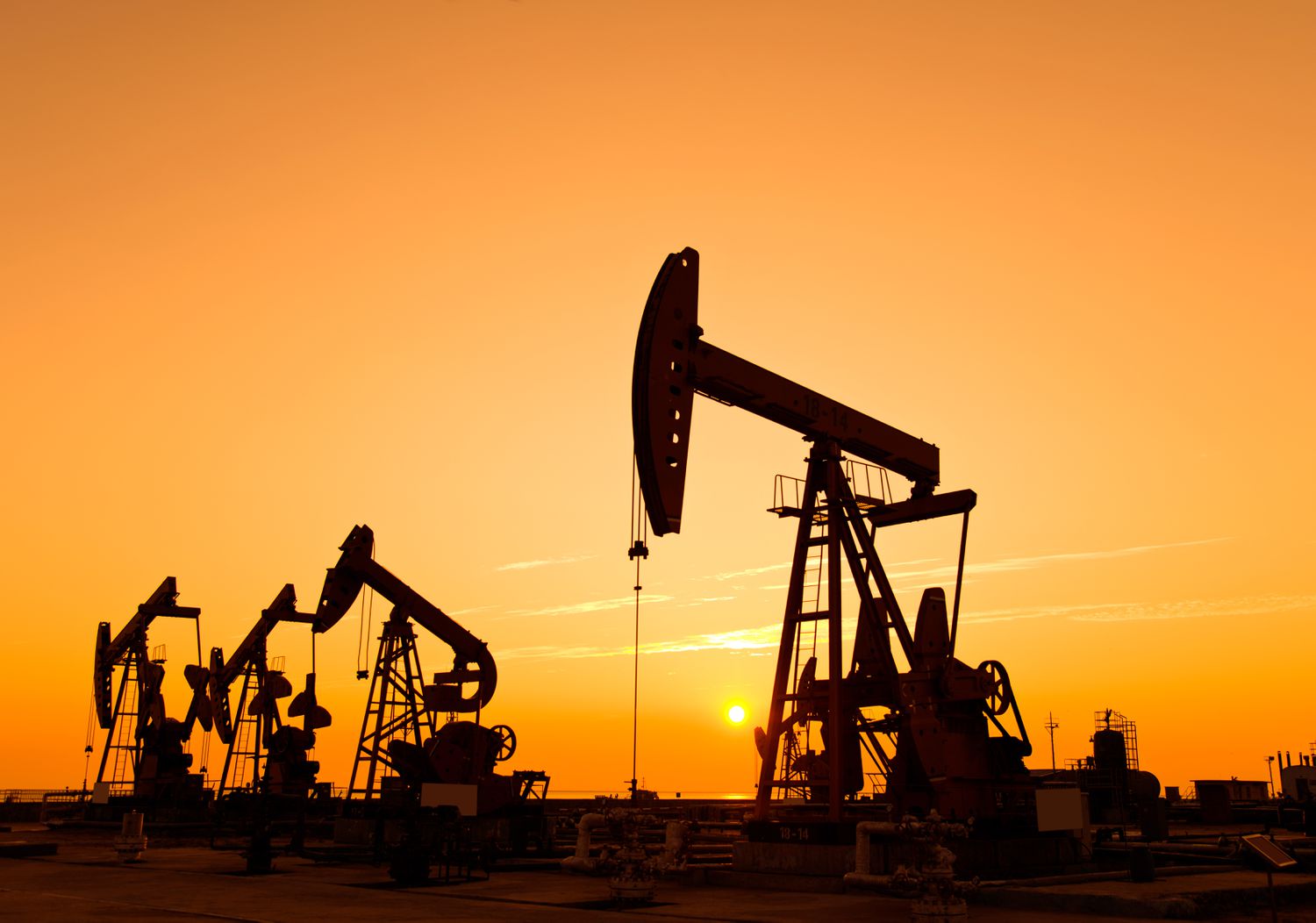
Cuba’s escalating energy crisis has pushed the country to the brink of widespread power disruptions, prompting an unusual geopolitical development: the expected arrival of a Russian oil tanker despite existing sanctions pressure. U.S. authorities have reportedly allowed the vessel to proceed to Cuba, reflecting the complex balance between enforcing sanctions and preventing a humanitarian and economic breakdown in the Caribbean nation. For global markets, the episode illustrates how political decisions can influence energy flows and regional stability.
Cuba’s Power Crisis Reaches Critical Levels
Cuba has faced persistent electricity shortages throughout the past year as aging power plants, limited domestic fuel production, and declining imports have strained the island’s energy infrastructure. The country relies heavily on imported crude and refined products to power thermoelectric plants built largely during the Soviet era. In recent months, rolling blackouts have intensified, affecting residential areas, tourism hubs, and industrial activity.
The incoming tanker is believed to be carrying approximately 730,000 barrels of crude oil, a shipment large enough to temporarily ease pressure on the national grid. While the volume represents only a short-term solution, it could provide several weeks of operating capacity for key power facilities. Stabilizing electricity supply is particularly important for Cuba’s fragile economy, which has already been weakened by inflation, declining tourism revenues, and limited access to international financing.
Sanctions Policy Meets Humanitarian Considerations
The reported decision to allow the tanker to reach Cuban ports appears to be a narrowly defined exception rather than a broader relaxation of U.S. sanctions on the island. Washington has maintained strict economic restrictions on Cuba for decades, and in recent years enforcement has tightened in several sectors.
However, policymakers occasionally face a dilemma when sanctions risk triggering humanitarian consequences or regional instability. Allowing the tanker to proceed may therefore represent a tactical adjustment designed to prevent severe energy shortages that could worsen economic hardship or spark social unrest.
From a diplomatic perspective, the move also avoids escalating tensions with Russia in a region historically sensitive to geopolitical rivalry. Moscow has increased its economic and logistical support for Cuba in recent years, positioning itself as a strategic partner amid Havana’s limited access to international capital markets.
Implications for Energy Logistics and Global Oil Trade
Although the shipment itself is relatively modest compared with global oil flows, the situation highlights the growing complexity of energy logistics in a geopolitically fragmented world. Sanctions regimes, insurance restrictions, and maritime compliance rules have significantly reshaped oil shipping routes in recent years.
For energy traders and shipping firms, signals from regulators regarding sanctions enforcement can influence risk assessments, insurance coverage, and tanker availability. Even a single shipment can affect perceptions about how strictly certain routes or transactions may be monitored.
The Caribbean energy system remains particularly vulnerable to disruptions, with limited refining capacity and heavy reliance on imported fuel. As a result, changes in supply routes—whether from Russia, Venezuela, or other producers—can have outsized effects on regional stability.
Looking ahead, market observers will watch closely to see whether additional shipments follow or if this delivery remains a one-time exception tied to Cuba’s immediate energy needs. Any shift in policy signals could influence not only regional diplomacy but also the broader conversation about sanctions enforcement and energy security in global markets.
Comparison, examination, and analysis between investment houses
Leave your details, and an expert from our team will get back to you as soon as possible
* This article, in whole or in part, does not contain any promise of investment returns, nor does it constitute professional advice to make investments in any particular field.
To read more about the full disclaimer, click here
- sagi habasov
- •
- 7 Min Read
- •
- ago 3 days
SKN | Can TSA Be Paid During a Shutdown? Trump Signals Executive Order to Protect Aviation Security
Former U.S. President Donald Trump stated that he would sign an executive order allowing Transportation Security Administration (TSA) employees to
- ago 3 days
- •
- 7 Min Read
Former U.S. President Donald Trump stated that he would sign an executive order allowing Transportation Security Administration (TSA) employees to
- sagi habasov
- •
- 7 Min Read
- •
- ago 3 days
SKN | Geopolitical Flashpoint: Trump’s Iran Warning Raises Stakes for Global Markets
Geopolitical tensions in the Middle East have intensified after Donald Trump called on Iran to negotiate a deal before
- ago 3 days
- •
- 7 Min Read
Geopolitical tensions in the Middle East have intensified after Donald Trump called on Iran to negotiate a deal before

- omer bar
- •
- 6 Min Read
- •
- ago 4 days
SKN | US Insists Talks Ongoing Even as Iran Rejects Trump Outreach
The United States has reiterated that diplomatic communications with Iran are ongoing, even as Iran publicly rebuffed an outreach from
- ago 4 days
- •
- 6 Min Read
The United States has reiterated that diplomatic communications with Iran are ongoing, even as Iran publicly rebuffed an outreach from

- Lior mor
- •
- 7 Min Read
- •
- ago 5 days
SKN | Rising Costs of Conflict Push Washington to Explore Diplomacy With Iran
Geopolitical tensions between the United States and Iran may be entering a new phase as officials signal the possibility of
- ago 5 days
- •
- 7 Min Read

Geopolitical tensions between the United States and Iran may be entering a new phase as officials signal the possibility of

