


- Lior mor
- •
- 7 Min Read
- •
- 7 minutes ago
Key Points
- Gold is down over 13% in March, marking its worst monthly performance since 2008.
- Rising oil prices and inflation fears are driving expectations of higher interest rates.
- Investors are liquidating positions as gold loses its traditional safe-haven appeal.
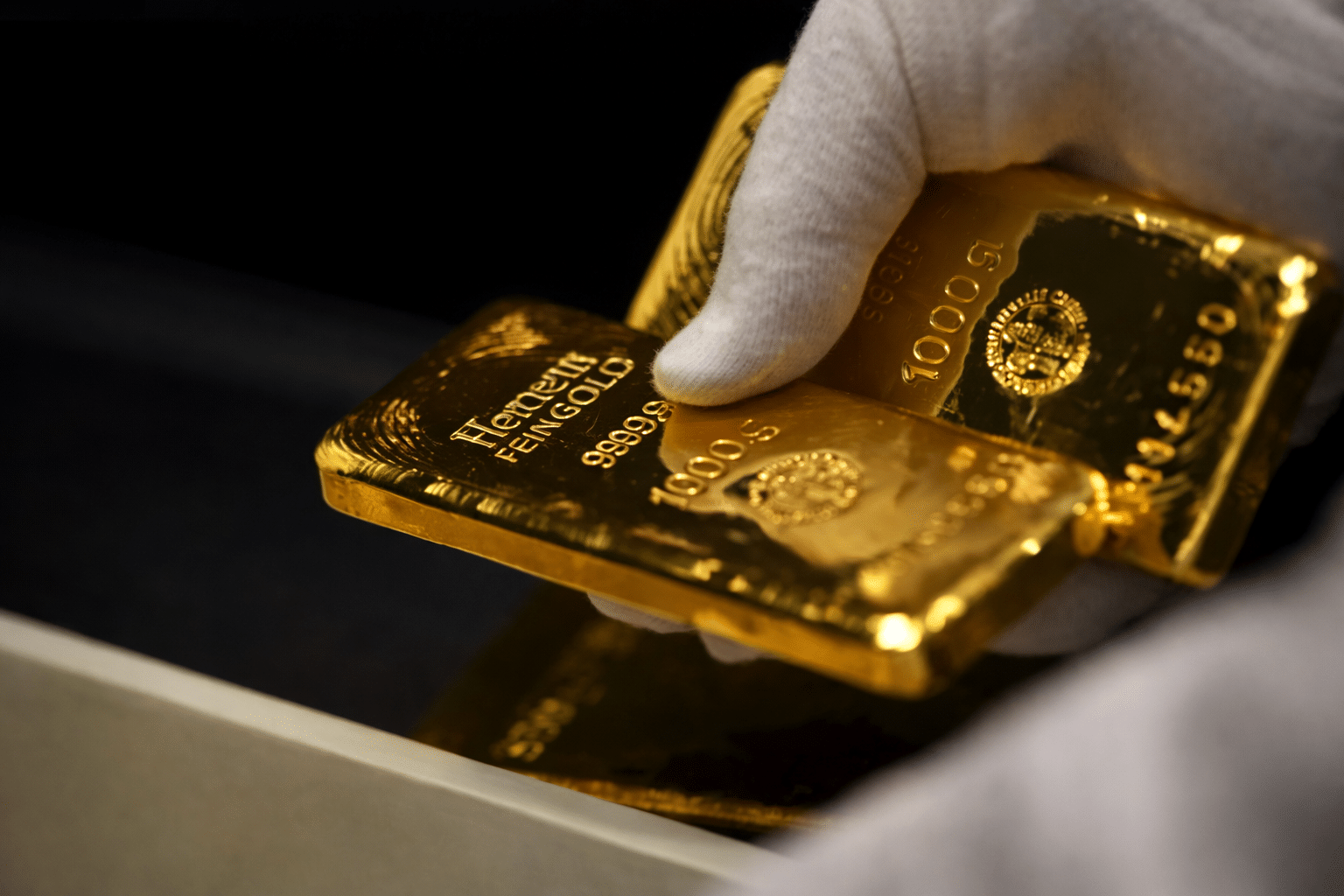
A Historic Selloff Defies Safe-Haven Expectations
Gold is on track for its steepest monthly decline in more than 17 years, falling over 13% in March—its worst performance since the 2008 financial crisis.
This sharp decline comes at a time when markets would typically expect gold to rally. The ongoing Iran war, now entering its fifth week, has created significant geopolitical uncertainty, disrupted global energy flows, and increased volatility across financial markets. Yet instead of benefiting, gold has moved in the opposite direction.
The contradiction is striking. Historically, gold has served as a hedge during crises, but current market behavior suggests a deeper shift in how investors are positioning risk.
Inflation and Interest Rates Are Driving the Selloff
The primary force behind gold’s decline is not geopolitics—but monetary policy expectations. Surging oil prices, driven by disruptions in the Strait of Hormuz, are fueling global inflation concerns. This has led investors to scale back expectations for interest rate cuts and, in some cases, even price in potential rate hikes.
Higher interest rates increase the opportunity cost of holding gold, a non-yielding asset. As bond yields rise and the US dollar strengthens, capital is flowing away from precious metals and into income-generating assets.
This shift has effectively overridden gold’s traditional safe-haven role. Instead of acting as a hedge against instability, gold is being pressured by the inflationary consequences of that instability.
Liquidity Pressures and Forced Selling Accelerate Losses
Beyond macroeconomic factors, market mechanics are amplifying the decline. Investors facing losses in equities and other asset classes are liquidating gold positions to raise cash, adding further downward pressure.
At the same time, some central banks—particularly in emerging markets—have been selling gold reserves to support their currencies amid rising energy costs. ETF outflows and reduced institutional demand have compounded the selloff, creating a feedback loop of declining prices and forced liquidation.
This dynamic mirrors past crises, where initial spikes in gold were followed by sharp corrections as liquidity needs took priority over hedging strategies.
A Breakdown in Gold’s Traditional Market Role
The current environment highlights a critical shift: gold is no longer behaving as a pure geopolitical hedge. Instead, it is increasingly functioning as a rate-sensitive asset, closely tied to expectations around inflation and central bank policy.
This explains why gold is falling even as conflict intensifies. Markets are prioritizing inflation risk over geopolitical risk, fundamentally altering asset allocation strategies.
Analysts note that while gold’s long-term fundamentals—such as central bank demand and de-dollarization trends—remain intact, short-term positioning has turned decisively bearish.
Outlook: Temporary Breakdown or Structural Shift?
Looking ahead, the direction of gold will depend on two key variables: the path of interest rates and the trajectory of energy prices. If inflation pressures ease or central banks shift toward rate cuts, gold could recover quickly. However, if high energy prices persist, the metal may remain under pressure.
History suggests that sharp monthly declines in gold are rare and often followed by recoveries. But the current macro environment—defined by persistent inflation and geopolitical instability—may delay that rebound.
For now, gold’s worst month since 2008 is sending a clear message: in today’s market, interest rates—not fear—are the dominant force shaping asset prices.
Comparison, examination, and analysis between investment houses
Leave your details, and an expert from our team will get back to you as soon as possible
* This article, in whole or in part, does not contain any promise of investment returns, nor does it constitute professional advice to make investments in any particular field.
To read more about the full disclaimer, click here
- omer bar
- •
- 8 Min Read
- •
- ago 10 hours
SKN | Will Gold Sustain Its Rally as Fed Signals Patience and Geopolitical Risks Intensify?
Gold prices advanced for a second consecutive session, reflecting a complex interplay between monetary policy expectations and geopolitical uncertainty. The
- ago 10 hours
- •
- 8 Min Read

Gold prices advanced for a second consecutive session, reflecting a complex interplay between monetary policy expectations and geopolitical uncertainty. The

- Ronny Mor
- •
- 5 Min Read
- •
- ago 13 hours
SKN | Oil Prices Slip as Reports Suggest US May End Conflict Without Reopening Hormuz
Oil markets retreated after reports indicated that the United States might conclude ongoing military operations without a guaranteed reopening of
- ago 13 hours
- •
- 5 Min Read

Oil markets retreated after reports indicated that the United States might conclude ongoing military operations without a guaranteed reopening of
- omer bar
- •
- 5 Min Read
- •
- ago 13 hours
SKN | Iran Strikes Fully Laden Kuwait Oil Tanker in Dubai Port: Escalating Tensions in Gulf Energy Trade
A fully laden Kuwaiti oil tanker was reportedly targeted by Iranian forces in Dubai’s port, marking a significant escalation in
- ago 13 hours
- •
- 5 Min Read

A fully laden Kuwaiti oil tanker was reportedly targeted by Iranian forces in Dubai’s port, marking a significant escalation in
- Ronny Mor
- •
- 6 Min Read
- •
- ago 17 hours
SKN | Oil Surges Toward Record Monthly Gain as Equities Diverge — What’s Driving the Disconnect?
Global oil prices are on track for one of their strongest monthly performances in recent years, supported by tightening
- ago 17 hours
- •
- 6 Min Read

Global oil prices are on track for one of their strongest monthly performances in recent years, supported by tightening


