


- Ronny Mor
- •
- 7 Min Read
- •
- 17 minutes ago
Key Points
- Colombia is exiting a $9.3 billion swap early, aiming to lock in profits before elections.
- The strategy could generate up to $3.7 billion in total fiscal savings.
- Global uncertainty and high interest rates are reshaping debt management decisions.
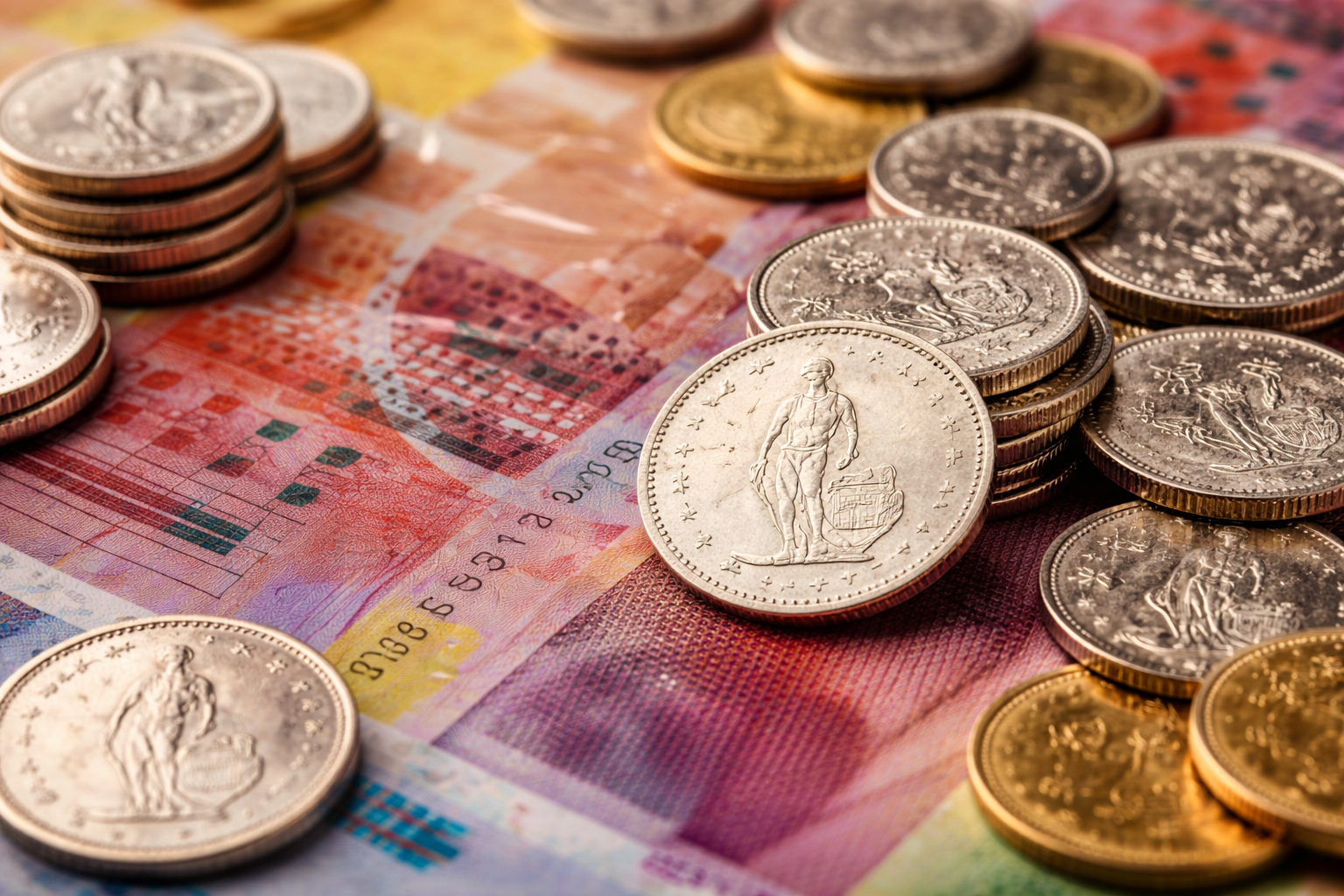
Colombia is moving to unwind its controversial $9.3 billion Swiss franc-linked swap ahead of its upcoming presidential election, marking a significant shift in its unconventional debt strategy. The move, expected to generate billions in savings and reduce headline debt levels, reflects both opportunistic timing in global markets and growing caution amid rising inflation, geopolitical risks, and volatile interest rates.
Unwinding a Bold and Controversial Strategy
The Colombian government is accelerating the closure of its large-scale swap operation, which had been a cornerstone of its debt management approach. Designed as a total return swap tied to a mix of sovereign bonds and currencies, the strategy initially surprised markets due to its complexity and scale.
Officials have already redeemed a portion of the position and are preparing additional repayments, aiming to fully unwind the structure before the election cycle. By doing so, Colombia expects to recover billions in collateral assets and reduce exposure to currency volatility.
While critics previously warned about risks tied to exchange rates and refinancing pressures, the government now argues the strategy has delivered tangible benefits, including reduced borrowing costs and improved fiscal flexibility.
Profitability and Balance Sheet Impact
Preliminary estimates suggest that the swap will generate approximately $400 million in direct profits from local currency components, with broader fiscal savings reaching around $3.7 billion.
More significantly, the unwinding process is expected to reduce Colombia’s gross debt by roughly $28 billion when accounting for the removal of associated liabilities and derivative exposures. This balance sheet improvement could enhance investor confidence, particularly at a time when emerging markets face heightened scrutiny.
The ability to exit the position profitably also reflects favorable market timing, as the government capitalizes on currency movements and liquidity conditions.
Shift Toward Short-Term and Flexible Debt
Looking ahead, Colombia is pivoting its debt strategy toward shorter maturities and greater flexibility. With the yield curve inverted—short-term borrowing costs exceeding long-term rates—the government sees value in issuing shorter-duration debt despite the refinancing risks.
This approach is based on the expectation that interest rates will decline in the coming years, allowing future refinancing at lower costs. The strategy also includes exploring floating-rate instruments linked to benchmark rates, which could benefit from eventual monetary easing.
However, this shift introduces a trade-off: while it avoids locking in high long-term rates today, it increases exposure to future market conditions.
Global Risks Influence Policy Decisions
Colombia’s strategy is being shaped by a challenging global environment. Rising inflation, driven in part by energy market disruptions linked to geopolitical tensions, is pushing central banks toward tighter monetary policies.
These dynamics are increasing borrowing costs worldwide and complicating debt management for emerging economies. Colombian officials have explicitly cited global uncertainty and the impact of geopolitical conflict as reasons for avoiding further complex swap transactions.
The emphasis is now on liquidity, flexibility, and risk reduction rather than aggressive financial engineering.
Forward Outlook: Strategic Reset or Temporary Adjustment?
Looking ahead, Colombia’s decision to unwind its swap marks a potential turning point in its approach to public debt. If successful, the strategy could strengthen fiscal credibility and provide a buffer against external shocks. However, reliance on short-term borrowing and expectations of lower future rates introduce new risks that will depend heavily on global economic conditions. Investors should monitor interest rate trends, currency stability, and fiscal policy signals, as these will determine whether Colombia’s pivot represents a sustainable long-term strategy or a tactical adjustment in response to current market pressures.
Comparison, examination, and analysis between investment houses
Leave your details, and an expert from our team will get back to you as soon as possible
* This article, in whole or in part, does not contain any promise of investment returns, nor does it constitute professional advice to make investments in any particular field.
To read more about the full disclaimer, click here
- orshu
- •
- 6 Min Read
- •
- ago 2 days
SKN | U.S. Dollar Index Climbs Above 100 as Momentum Builds in Currency Markets
The U.S. Dollar Index (DXY) strengthened during the March 18 trading session, rising 0.53% to 100.10 and breaking above
- ago 2 days
- •
- 6 Min Read

The U.S. Dollar Index (DXY) strengthened during the March 18 trading session, rising 0.53% to 100.10 and breaking above

- Lior mor
- •
- 7 Min Read
- •
- ago 5 days
SKN | Why the Japanese Yen Is Losing Its Safe-Haven Status During Global Crises
For decades, the Japanese yen was considered one of the world’s most reliable safe-haven currencies, typically strengthening during periods of
- ago 5 days
- •
- 7 Min Read

For decades, the Japanese yen was considered one of the world’s most reliable safe-haven currencies, typically strengthening during periods of

- sagi habasov
- •
- 6 Min Read
- •
- ago 1 week
SKN | Why Japan May Hesitate to Intervene as the Yen Weakens Toward 160 per Dollar
Japan is facing renewed pressure on its currency as the yen drifts closer to the psychologically important 160-per-dollar level, yet
- ago 1 week
- •
- 6 Min Read

Japan is facing renewed pressure on its currency as the yen drifts closer to the psychologically important 160-per-dollar level, yet
- orshu
- •
- 7 Min Read
- •
- ago 1 week
SKN | U.S. Dollar Strengthens as Global Markets Turn Defensive — What the DXY Rally Signals for Investors
The U.S. Dollar Index (DXY) advanced during the March 12 trading session, climbing to approximately 99.68, up 0.45% from
- ago 1 week
- •
- 7 Min Read
The U.S. Dollar Index (DXY) advanced during the March 12 trading session, climbing to approximately 99.68, up 0.45% from

