





- sagi habasov
- •
- 6 Min Read
- •
- 3 months ago


Key Points
- SPDR Gold Shares (GLD) remains one of the world's largest gold-backed exchange-traded funds, providing investors with exposure to movements in gold prices.
- The ETF's performance is closely tied to inflation expectations, central bank policy, geopolitical developments, and demand for safe-haven assets.
- Investors continue monitoring interest rates, central bank gold purchases, and global economic conditions to assess the outlook for bullion.

Gold continues to occupy a central role in global financial markets as investors navigate inflation risks, geopolitical uncertainty, and changing monetary policy expectations. The SPDR Gold Shares ETF (NYSE Arca: GLD), one of the world’s largest physically backed gold exchange-traded funds, remains a widely followed vehicle for tracking the precious metal’s performance without requiring direct ownership of physical bullion.
Gold ETF Offers Efficient Access to a Traditional Safe-Haven Asset
The SPDR Gold Shares ETF was launched to provide investors with an efficient way to gain exposure to gold price movements through a publicly traded security. The fund holds physical gold bullion in secure vaults, allowing its share price to closely reflect the market value of gold after accounting for operating expenses.
Gold has historically been viewed as a store of value during periods of financial uncertainty, inflation concerns, and heightened geopolitical tensions. Unlike equities or corporate bonds, gold does not generate earnings or dividends, making its appeal largely dependent on investor sentiment, macroeconomic conditions, and expectations regarding real interest rates.
Institutional investors, wealth managers, and retail participants frequently use GLD as part of broader portfolio diversification strategies, particularly during periods of elevated market volatility.
Interest Rates and Central Bank Policies Drive Gold Prices
One of the most important factors influencing the performance of gold and gold-backed ETFs is the direction of global interest rates. When real interest rates rise, non-yielding assets such as gold may become relatively less attractive compared with interest-bearing investments. Conversely, expectations of lower interest rates or easing monetary policy often provide support for bullion prices.
Central bank activity also remains an important driver of the gold market. In recent years, several central banks have increased gold reserves as part of broader diversification strategies, reinforcing long-term demand for the precious metal. Inflation trends, U.S. dollar performance, and Federal Reserve policy continue to shape investor expectations regarding future gold price movements.
As macroeconomic uncertainty persists, gold remains closely linked to shifts in monetary policy and global financial conditions.
Global Relevance and Implications for Israeli Investors
For investors in Israel, the SPDR Gold Shares ETF offers insight into global demand for defensive assets during periods of economic or geopolitical uncertainty. Movements in gold prices can influence broader portfolio allocation decisions, particularly when equity markets experience heightened volatility or when inflation expectations shift.
Gold also serves as an indicator of global investor sentiment. Strong demand for gold-backed ETFs may reflect increasing caution among institutional investors, while declining inflows can signal improving confidence in risk assets. Israeli investors following international markets often monitor gold alongside equities, currencies, and government bonds to assess broader market conditions.
The ETF also illustrates how exchange-traded products continue expanding investor access to traditional asset classes through liquid, transparent investment vehicles.
Looking ahead, investors will closely monitor Federal Reserve policy decisions, inflation data, central bank gold purchases, geopolitical developments, and global economic growth trends. The direction of these factors will play a significant role in determining whether demand for gold and the SPDR Gold Shares ETF remains resilient in an evolving investment environment.
Comparison, examination, and analysis between investment houses
Leave your details, and an expert from our team will get back to you as soon as possible
* This article, in whole or in part, does not contain any promise of investment returns, nor does it constitute professional advice to make investments in any particular field.
To read more about the full disclaimer, click here
- omer bar
- •
- 6 Min Read
- •
- ago 2 days
SKN | Semiconductor Rally and Leverage: What Drives SOXL’s Performance?
Semiconductor stocks remain closely tied to global investment in artificial intelligence, data centers and advanced computing, but the sector’s rapid
- ago 2 days
- •
- 6 Min Read

Semiconductor stocks remain closely tied to global investment in artificial intelligence, data centers and advanced computing, but the sector’s rapid

- Ronny Mor
- •
- 6 Min Read
- •
- ago 3 days
SKN | Natural Gas Under Pressure: What Does BOIL Mean for Leveraged Exposure?
The U.S. natural gas market is entering the heating season with inventories above the five-year average, while domestic production remains
- ago 3 days
- •
- 6 Min Read

The U.S. natural gas market is entering the heating season with inventories above the five-year average, while domestic production remains

- Lior mor
- •
- 6 Min Read
- •
- ago 5 days
SKN | Bitcoin’s Institutional Investment Channel: What Is Driving IBIT?
Spot Bitcoin ETFs have established a new channel for investors seeking cryptocurrency exposure through traditional brokerage accounts and exchange-traded products.
- ago 5 days
- •
- 6 Min Read
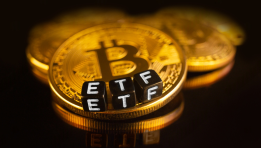
Spot Bitcoin ETFs have established a new channel for investors seeking cryptocurrency exposure through traditional brokerage accounts and exchange-traded products.
- omer bar
- •
- 6 Min Read
- •
- ago 6 days
SKN | AI and Chip Demand Drive Semiconductor Stocks: What Does SMH Offer Investors?
The global semiconductor industry remains at the center of the investment cycle surrounding artificial intelligence, data centers and advanced computing.
- ago 6 days
- •
- 6 Min Read

The global semiconductor industry remains at the center of the investment cycle surrounding artificial intelligence, data centers and advanced computing.

