





- Ronny Mor
- •
- 6 Min Read
- •
- 6 minutes ago


Key Points
- Gold and the U.S. dollar often show an inverse relationship because gold is priced in dollars and becomes more expensive for non-dollar buyers when the currency strengthens.
- Interest rates and real yields are equally important: higher real returns on dollar assets can reduce the relative appeal of a non-yielding asset such as gold.
- The relationship is not fixed, and inflation, geopolitical risk, central-bank purchases and financial-market stress can cause gold and the dollar to rise simultaneously.
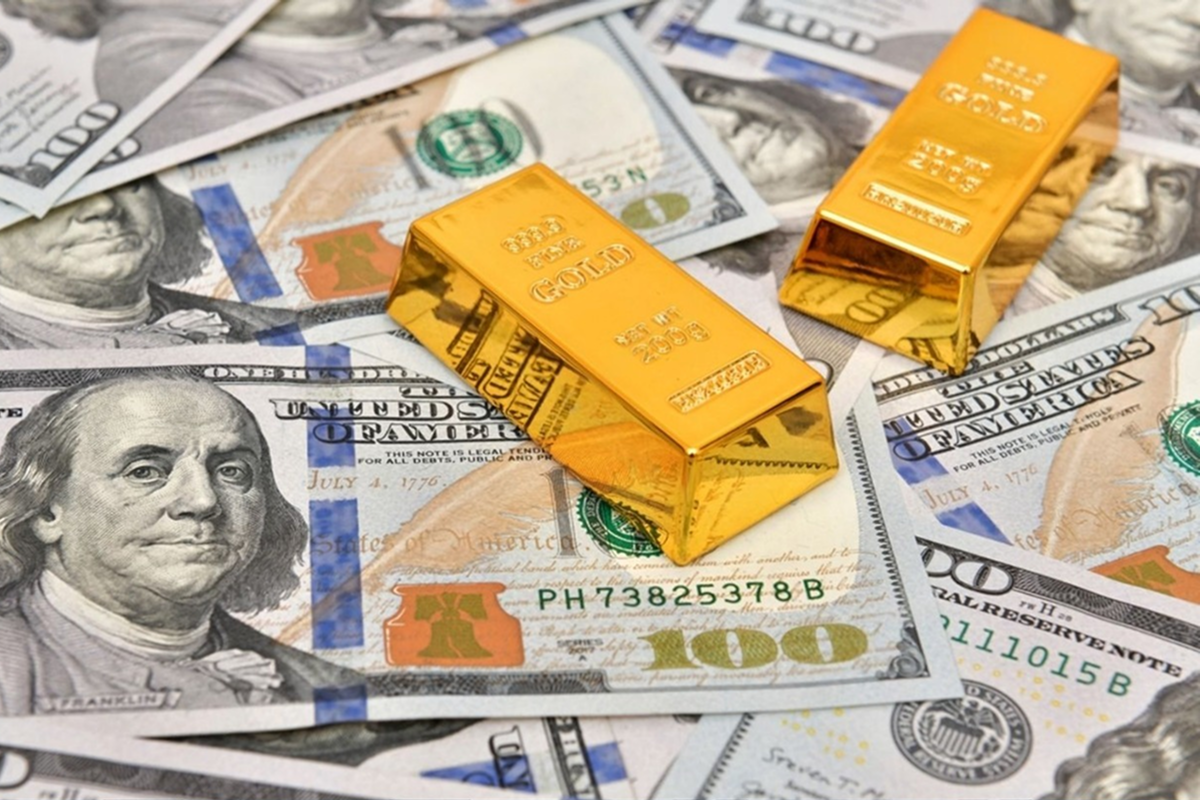
Gold and the U.S. dollar are among the most closely watched assets in global financial markets, and their prices frequently move in opposite directions. The relationship is rooted in the way gold is priced internationally, but it also reflects differences in how investors value cash, bonds and a scarce physical asset during changing monetary and economic conditions.
Why a Stronger Dollar Can Pressure Gold
Gold is primarily quoted in U.S. dollars, which creates a direct currency effect. When the dollar strengthens against other major currencies, gold becomes more expensive for investors using euros, yen, pounds and other currencies. That can reduce international demand and place downward pressure on the dollar-denominated gold price.
The opposite mechanism can also work. When the dollar weakens, the cost of gold falls in foreign-currency terms, potentially supporting demand from international investors. A weaker dollar can therefore become an important tailwind for gold even when no major change occurs in the underlying physical market.
Interest Rates Connect Gold and the Dollar
The relationship is also driven by monetary policy. Gold does not generate interest or a contractual cash return, so its opportunity cost tends to rise when investors can earn higher inflation-adjusted returns from U.S. Treasury securities and other dollar-denominated assets. Higher real yields can therefore reduce the relative appeal of gold while simultaneously supporting the dollar.
When expectations shift toward lower interest rates or declining real yields, the opportunity cost of holding gold can fall. That can support demand for the metal while weakening the relative attraction of dollar assets. Markets often begin pricing these changes before central banks actually alter policy, which means gold and the dollar can react well ahead of an official interest-rate decision.
Why Gold and the Dollar Can Rise Together
The inverse relationship is not a trading rule. During periods of severe market stress, investors may increase demand for both the U.S. dollar and gold because they serve different functions. The dollar is the dominant global reserve and liquidity currency, while gold is a scarce asset that carries no issuer or counterparty risk.
Other factors can also override the normal relationship. Central-bank gold purchases, geopolitical tensions, concerns over fiscal policy, inflation expectations and shifts in investor positioning can all support gold independently of currency movements. This is why periods of dollar strength do not automatically translate into falling gold prices.
For global investors, the more useful framework is therefore to monitor the dollar alongside U.S. real yields, inflation expectations, monetary-policy signals and geopolitical risk. The direction of the dollar remains an important variable for gold, but the relationship becomes less reliable when broader financial stresses dominate market behavior.
Comparison, examination, and analysis between investment houses
Leave your details, and an expert from our team will get back to you as soon as possible
* This article, in whole or in part, does not contain any promise of investment returns, nor does it constitute professional advice to make investments in any particular field.
To read more about the full disclaimer, click here
- omer bar
- •
- 7 Min Read
- •
- ago 2 hours
SKN | Global Bond Yields Surge to Multi-Year Highs as Borrowing Costs Rise
Global bond markets are facing renewed pressure as government borrowing costs reach levels not seen since the aftermath of
- ago 2 hours
- •
- 7 Min Read

Global bond markets are facing renewed pressure as government borrowing costs reach levels not seen since the aftermath of

- Arik Arkadi Sluzki
- •
- 7 Min Read
- •
- ago 3 hours
SKN | Wall Street Ends Lower as Oil Surges and Treasury Yield Breaks Above 5%
US stocks extended their selloff on September 15 as higher Treasury yields, surging oil prices and renewed concerns over
- ago 3 hours
- •
- 7 Min Read

US stocks extended their selloff on September 15 as higher Treasury yields, surging oil prices and renewed concerns over

- Ronny Mor
- •
- 6 Min Read
- •
- ago 3 hours
SKN | Government Bond Yields Hit Multi-Year Highs as Oil Rises and Global Stocks Retreat
Global financial markets faced renewed pressure on September 15 as government bond yields climbed sharply and oil prices extended
- ago 3 hours
- •
- 6 Min Read

Global financial markets faced renewed pressure on September 15 as government bond yields climbed sharply and oil prices extended

- Lior mor
- •
- 7 Min Read
- •
- ago 5 hours
SKN | Could a 5% Treasury Yield and $106 Oil Force the Fed Into Another Rate Hike?
U.S. Treasury yields surged to their highest levels in nearly two decades Tuesday as investors confronted a combination of elevated
- ago 5 hours
- •
- 7 Min Read

U.S. Treasury yields surged to their highest levels in nearly two decades Tuesday as investors confronted a combination of elevated

