Key Points

  • TSMC secured substantial gains by exiting Arm at elevated valuations, reinforcing disciplined capital strategy.
  • The move reflects cautious sentiment amid volatility in semiconductor stocks and AI-driven expectations.
  • Future market direction will depend on how chipmakers balance strategic partnerships with financial priorities.
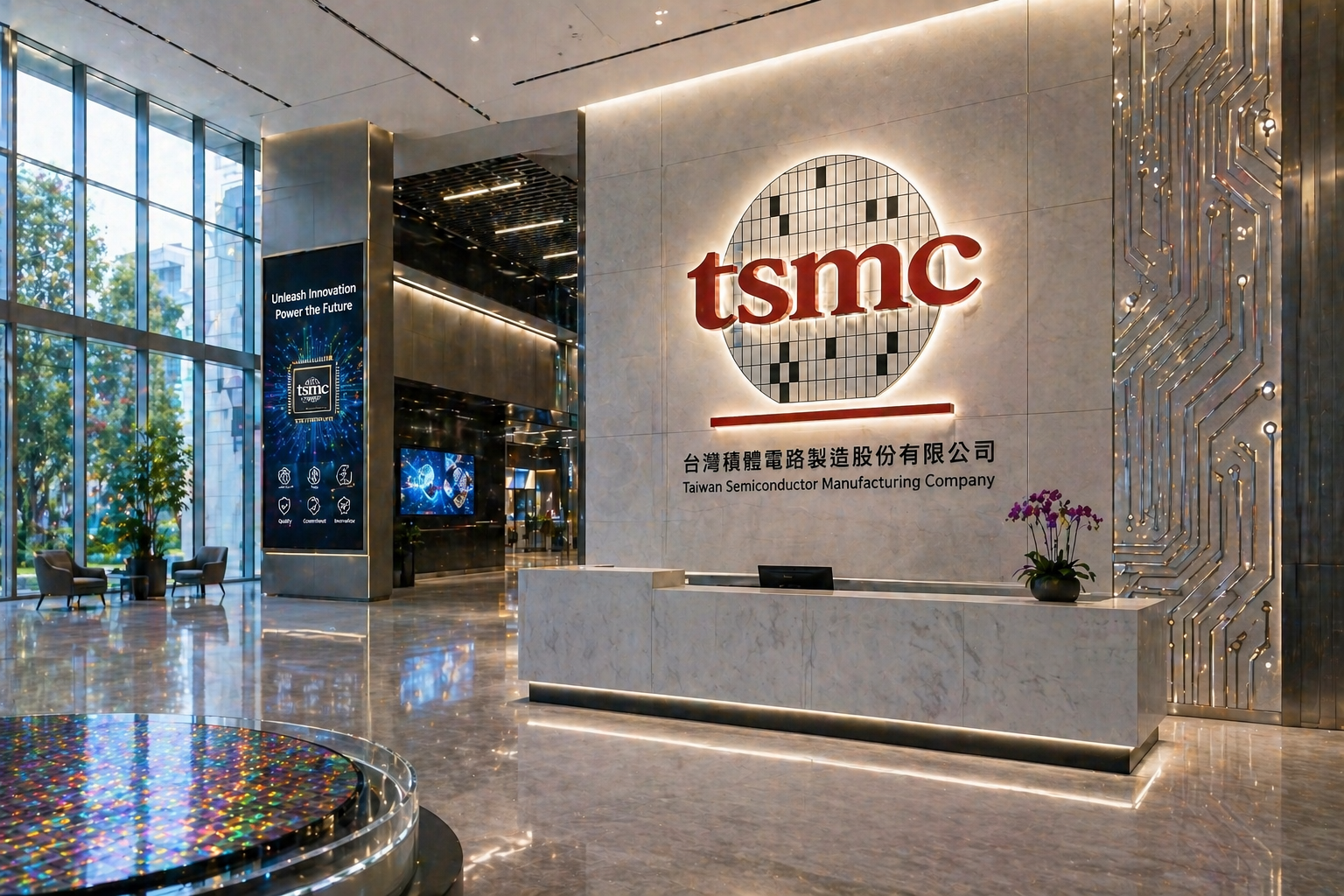
hero

Taiwan Semiconductor Manufacturing Company, the world’s largest contract chipmaker, has completed its exit from Arm Holdings, closing a chapter that began with a strategic investment during Arm’s high-profile IPO in 2023. The decision comes at a time when semiconductor valuations remain elevated and investor sentiment is increasingly shaped by AI-driven demand and cyclical uncertainty. While the move may appear purely financial on the surface, it also signals deeper strategic recalibration within the global chip supply chain.

Strategic Exit After Significant Gains

TSMC’s divestment was executed through its subsidiary, which sold approximately 1.11 million Arm shares at an average price of $207.65, generating total proceeds of around $231 million. This represents a substantial gain compared to its initial investment of roughly $100 million at $51 per share during Arm’s IPO. The transaction contributed an estimated $174 million to retained earnings, underscoring the financial success of the investment.

This was not a sudden move but rather the final step in a phased exit. TSMC had already reduced its exposure in 2024, selling 850,000 shares at $119.47 each. The gradual approach suggests a disciplined capital management strategy, allowing the company to capitalize on market strength while minimizing disruption.

Market Timing and Investor Psychology

The timing of the sale is particularly notable. Arm shares recently declined nearly 8%, reflecting heightened volatility in semiconductor stocks amid shifting expectations around AI growth and macroeconomic conditions. By exiting at elevated price levels, TSMC appears to have anticipated potential downside risks or at least diminishing near-term upside.

From a behavioral finance perspective, this aligns with profit-locking strategies often employed by institutional investors during late-stage valuation cycles. Rather than holding for speculative upside, TSMC opted to crystallize gains, reinforcing a risk-aware approach in an environment where sentiment can shift rapidly.

Implications for Industry Relationships

TSMC’s exit also raises questions about its strategic relationship with Arm. While the investment initially signaled alignment between two critical players in the semiconductor ecosystem, the divestment suggests that financial returns have taken precedence over equity-based partnerships.

Importantly, this does not necessarily indicate a weakening of operational collaboration. Arm’s chip architecture remains widely used across the industry, including by TSMC’s clients. However, the absence of an equity stake may reflect a preference for neutrality, especially as competition intensifies among chip designers and AI-focused firms.

Capital Allocation and Future Focus

The proceeds from the sale provide TSMC with additional flexibility in capital allocation. As the company continues to invest heavily in advanced manufacturing nodes and global expansion, liquidity becomes increasingly valuable. The semiconductor industry is entering a capital-intensive phase, driven by demand for AI chips, geopolitical supply chain diversification, and technological innovation.

By reallocating resources away from passive equity holdings, TSMC may be signaling a sharper focus on its core competencies and long-term infrastructure investments. This aligns with broader industry trends where scale, efficiency, and technological leadership are becoming key differentiators.

Forward-Looking Perspective

Looking ahead, TSMC’s exit from Arm will likely be interpreted as both a tactical financial move and a strategic signal. Investors will closely monitor whether other semiconductor firms follow similar paths, particularly in an environment where valuations remain sensitive to macroeconomic shifts and AI demand narratives.

At the same time, Arm’s market performance post-divestment could serve as a barometer for investor confidence in chip design firms versus manufacturing leaders. The evolving dynamic between these segments will play a crucial role in shaping the next phase of semiconductor industry growth.


Comparison, examination, and analysis between investment houses

Leave your details, and an expert from our team will get back to you as soon as possible

    * This article, in whole or in part, does not contain any promise of investment returns, nor does it constitute professional advice to make investments in any particular field.

    To read more about the full disclaimer, click here
    SKN | Is Hongqi’s Push Into Europe via Stellantis a Strategic Shortcut or a Sign of Deeper Industry Realignment?
    • Lior mor
    • 8 Min Read
    • ago 1 day

    SKN | Is Hongqi’s Push Into Europe via Stellantis a Strategic Shortcut or a Sign of Deeper Industry Realignment? SKN | Is Hongqi’s Push Into Europe via Stellantis a Strategic Shortcut or a Sign of Deeper Industry Realignment?

    Chinese automaker Hongqi, long associated with state prestige and historical symbolism, is taking a pragmatic turn in its global ambitions.

    • ago 1 day
    • 8 Min Read

    Chinese automaker Hongqi, long associated with state prestige and historical symbolism, is taking a pragmatic turn in its global ambitions.

    SKN | Is Hongqi’s Push Into Europe via Stellantis a Strategic Shortcut or a Sign of Deeper Industry Realignment?
    • Ronny Mor
    • 6 Min Read
    • ago 1 week

    SKN | Is Hongqi’s Push Into Europe via Stellantis a Strategic Shortcut or a Sign of Deeper Industry Realignment? SKN | From Gambler to Space Mogul: Charlie Ergen’s $20B Pivot and the SpaceX Payday

    With EchoStar standing on the brink of bankruptcy, founder Charlie Ergen made the ultimate bet: trading outdated spectrum for a

    • ago 1 week
    • 6 Min Read

    With EchoStar standing on the brink of bankruptcy, founder Charlie Ergen made the ultimate bet: trading outdated spectrum for a

    SKN | Is Hongqi’s Push Into Europe via Stellantis a Strategic Shortcut or a Sign of Deeper Industry Realignment?
    • Ronny Mor
    • 7 Min Read
    • ago 2 weeks

    SKN | Is Hongqi’s Push Into Europe via Stellantis a Strategic Shortcut or a Sign of Deeper Industry Realignment? SKN | Why Is Lawmaker Interest in Bitcoin Growing as Rep. Sheri Biggs Expands ETF Holdings

    The increasing overlap between politics and digital assets came into focus again as Rep. Sheri Biggs disclosed a significant investment

    • ago 2 weeks
    • 7 Min Read

    The increasing overlap between politics and digital assets came into focus again as Rep. Sheri Biggs disclosed a significant investment

    SKN | Reported Strait of Hormuz Blockade Escalation Raises Market Risk Even as US and Iran Signal Talks
    • Ronny Mor
    • 7 Min Read
    • ago 2 weeks

    SKN | Reported Strait of Hormuz Blockade Escalation Raises Market Risk Even as US and Iran Signal Talks SKN | Reported Strait of Hormuz Blockade Escalation Raises Market Risk Even as US and Iran Signal Talks

    Global energy markets are responding to heightened geopolitical tension following reports that the United States has begun restricting maritime movement


    • ago 2 weeks
    • 7 Min Read

    Global energy markets are responding to heightened geopolitical tension following reports that the United States has begun restricting maritime movement