


- Ronny Mor
- •
- 7 Min Read
- •
- 8 seconds ago
Key Points
- Reports indicate a new escalation involving restrictions in the Strait of Hormuz, intensifying geopolitical risk in global energy markets.
- Oil and shipping markets are reacting to heightened uncertainty over potential disruptions to one of the world’s most critical energy corridors.
- Diplomatic channels between the United States and Iran remain active, creating a complex backdrop of escalation alongside ongoing negotiations.

Global energy markets are responding to heightened geopolitical tension following reports that the United States has begun restricting maritime movement linked to Iranian ports and broader activity in the Strait of Hormuz region. The development comes at a particularly sensitive time for oil markets, where supply conditions remain tightly balanced and highly responsive to geopolitical shocks. At the same time, diplomatic engagement between Washington and Tehran has not fully broken down, creating a dual-track environment of escalation and negotiation.
Geopolitical Escalation and Strategic Maritime Pressure
The Strait of Hormuz remains one of the most strategically important maritime chokepoints in the global economy, facilitating a significant share of global crude oil and liquefied natural gas flows. Any disruption or perceived restriction in this corridor tends to generate immediate risk repricing across energy and shipping markets.
The reported tightening of US enforcement or blockade-style measures introduces additional uncertainty for commercial shipping operators, insurers, and commodity traders. Even without confirmed physical disruption to traffic, the perception of elevated risk is sufficient to alter routing decisions, increase insurance premiums, and raise operational costs for vessels transiting the region. Historically, such conditions have contributed to short-term spikes in freight volatility and risk premiums embedded in crude oil pricing.
Energy Markets and Risk Repricing Dynamics
Oil benchmarks are particularly sensitive to developments in the Persian Gulf due to the region’s outsized share in global exports. Brent and West Texas Intermediate futures typically react to geopolitical signals with rapid repricing, as traders adjust expectations for potential supply interruptions.
In the current environment, market participants are increasingly focused on the distinction between rhetorical escalation and actual physical disruption. While no confirmed large-scale interruption of flows has been verified, the increase in perceived risk has already contributed to higher volatility across energy derivatives. Natural gas markets, particularly liquefied natural gas contracts, are also indirectly affected due to overlapping shipping routes and shared infrastructure constraints.
The result is a broad-based reassessment of geopolitical risk premiums across commodities, with investors increasingly pricing in scenario-based disruptions rather than relying solely on fundamental supply-demand balances.
Diplomatic Tension and Parallel Negotiation Channels
Despite rising tensions, reports suggest that diplomatic communication between the United States and Iran has not been fully suspended. This creates a complex strategic environment in which market participants must weigh both escalation risks and the possibility of de-escalation through negotiation.
Such dual-track dynamics are not uncommon in geopolitical conflicts involving strategic energy routes. However, they introduce additional uncertainty into pricing models, as markets must continuously adjust to shifting probabilities of escalation versus resolution. For institutional investors, this increases reliance on short-term positioning and risk hedging strategies across commodities and related assets.
Outlook: What Markets Will Watch
Looking ahead, investors will closely monitor whether reported restrictions in the Strait of Hormuz translate into sustained operational disruptions or remain limited in scope. Key variables include shipping traffic data, insurance rate adjustments, and any official confirmation or clarification from involved governments.
At the same time, diplomatic signals between Washington and Tehran will remain a critical driver of sentiment. Any indication of renewed structured negotiations could quickly reduce risk premiums, while further escalation would likely intensify volatility across oil, gas, freight, and equity markets tied to energy exposure. The balance between geopolitical pressure and diplomatic engagement is expected to define near-term direction in global energy pricing.
Comparison, examination, and analysis between investment houses
Leave your details, and an expert from our team will get back to you as soon as possible
* This article, in whole or in part, does not contain any promise of investment returns, nor does it constitute professional advice to make investments in any particular field.
To read more about the full disclaimer, click here
- Lior mor
- •
- 7 Min Read
- •
- ago 23 minutes
SKN | Could a United–American Airlines Tie-Up Reshape the US Aviation Landscape?
A potential strategic tie-up between United Airlines and American Airlines is drawing market attention after reports that CEO Scott Kirby
- ago 23 minutes
- •
- 7 Min Read

A potential strategic tie-up between United Airlines and American Airlines is drawing market attention after reports that CEO Scott Kirby
- Lior mor
- •
- 7 Min Read
- •
- ago 24 hours
SKN | Can Victory Giant’s $2.2 Billion Hong Kong IPO Succeed in a Volatile Market Environment?
Victory Giant’s planned $2.2 billion initial public offering in Hong Kong is emerging as a notable test case for equity
- ago 24 hours
- •
- 7 Min Read

Victory Giant’s planned $2.2 billion initial public offering in Hong Kong is emerging as a notable test case for equity

- orshu
- •
- 5 Min Read
- •
- ago 5 days
SKN | Asia Markets Pull Back on April 9, 2026 as Regional Rally Loses Steam and Korea Leads Declines
Asian markets closed April 9, 2026, mostly lower as investors took profits following the previous session’s strong rally. The broad
- ago 5 days
- •
- 5 Min Read
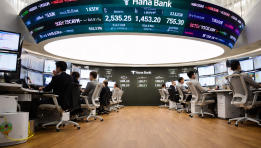
Asian markets closed April 9, 2026, mostly lower as investors took profits following the previous session’s strong rally. The broad

- sagi habasov
- •
- 10 Min Read
- •
- ago 5 days
SKN | Can FedEx Freight’s Standalone Strategy Unlock Higher Margins and Sustainable Cash Flow?
FedEx Freight’s inaugural Investor Day outlined an ambitious roadmap as it prepares to operate as a standalone less-than-truckload (LTL) carrier,
- ago 5 days
- •
- 10 Min Read

FedEx Freight’s inaugural Investor Day outlined an ambitious roadmap as it prepares to operate as a standalone less-than-truckload (LTL) carrier,


