




- sagi habasov
- •
- 6 Min Read
- •
- 17 seconds ago


Key Points
- PepsiCo shares fell 0.74% during the September 21–25 trading week, closing at $128.63 after reaching an intraday low of $126.90.
- Citigroup cut its PepsiCo price target to $142 from $145 on September 24 while maintaining a Neutral rating, as the stock traded close to its yearly low.
- The company is preparing additional low- to mid-single-digit price increases on selected snacks and beverages, raising questions about consumer demand, pricing power and the pace of the North American recovery.
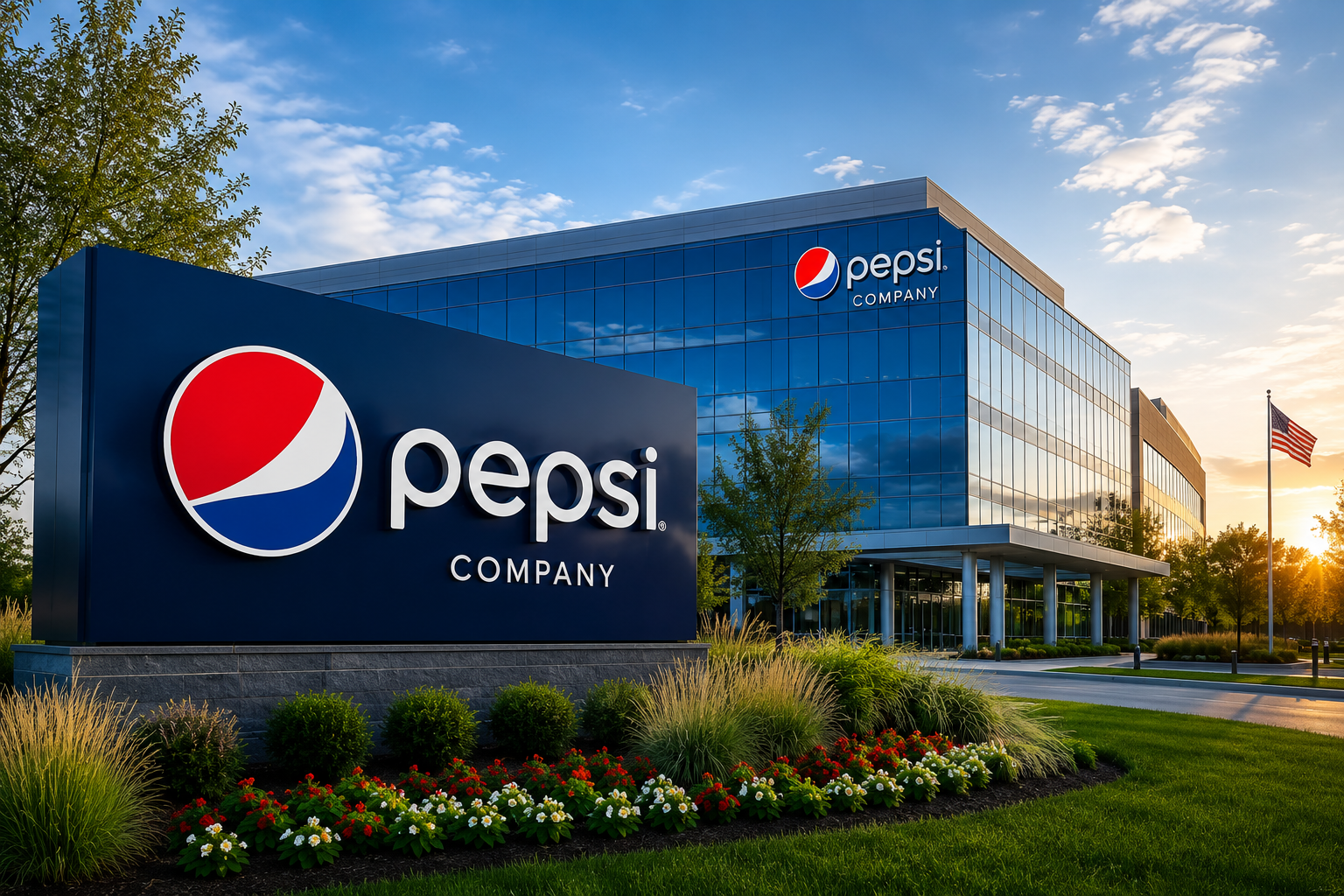
PepsiCo entered the final week of September under renewed pressure, with its shares ending the September 21–25 period at $128.63, down from $129.59 at the start of the week. The decline came as Citigroup reduced its price target and investors assessed PepsiCo’s pricing strategy, weaker North American demand and the broader pressure facing consumer-staples companies from elevated input and transportation costs.
PepsiCo Stock Remains Close to Its Yearly Low
The week’s trading pattern highlighted the stock’s fragile position. PepsiCo gained 1.23% on Tuesday to $131.19, but subsequently declined 0.77% on Wednesday and 1.56% on Thursday before recovering 0.37% on Friday. The shares touched $126.90 on September 25, establishing the low shown in PepsiCo’s official historical price data, before closing at $128.63. The current 52-week range therefore extends from $126.90 to $171.48.
The weekly decline itself was modest, but the proximity to the 52-week low makes the analyst revision more significant from a sentiment perspective. Citigroup lowered its target from $145 to $142 while retaining a Neutral rating, indicating a more cautious valuation assessment rather than a wholesale change in its view of the company’s business.
Pricing Power Is Becoming a Central Test
The downgrade arrived alongside reports that PepsiCo plans to raise prices on selected chips, dips and beverages later in 2026 or early 2027. Reuters reported that the increases are expected to be in the low- to mid-single-digit percentage range and follow earlier price reductions that had failed to generate the desired improvement in sales. PepsiCo is also facing weaker demand in North America, while higher fuel, packaging and logistics costs remain relevant to margins.
This creates a delicate operating equation. Higher prices could help offset cost inflation and support revenue per unit, but they could also place additional pressure on volumes if consumers remain price-sensitive. For a global consumer-staples company, the balance between pricing, volume and market share is therefore likely to remain a key factor in determining the pace of any recovery.
What Investors Will Watch Next
PepsiCo’s upcoming fiscal third-quarter results on October 8 are likely to provide the next important data point. Investors will be watching North American food and beverage volumes, margins, organic revenue growth and management’s response to changing consumer behavior. PepsiCo’s international operations may provide some diversification, but currency movements and uneven economic conditions across markets can also influence reported results.
The outlook therefore remains closely tied to execution rather than the share price alone. A stabilization in volumes and clearer evidence that pricing actions can improve profitability without materially damaging demand could alter the market’s assessment over time. Conversely, continued volume weakness, elevated commodity and logistics costs, higher interest rates or renewed geopolitical pressure on energy prices could prolong the valuation challenge. For Israeli investors with exposure to U.S. consumer-staples stocks, PepsiCo offers a useful case study in how currency volatility, inflation and changing consumer behavior can interact with corporate pricing power.
Comparison, examination, and analysis between investment houses
Leave your details, and an expert from our team will get back to you as soon as possible
* This article, in whole or in part, does not contain any promise of investment returns, nor does it constitute professional advice to make investments in any particular field.
To read more about the full disclaimer, click here
- orshu
- •
- 6 Min Read
- •
- ago 41 minutes
SKN | Nvidia Is Trading More Like an Oil Stock as Energy Costs Reshape the AI Trade
Nvidia ended the September 21–25 trading week at $225.07, up 1.26% from the previous Friday's close, after moving through
- ago 41 minutes
- •
- 6 Min Read
Nvidia ended the September 21–25 trading week at $225.07, up 1.26% from the previous Friday's close, after moving through

- Ronny Mor
- •
- 6 Min Read
- •
- ago 1 hour
SKN | Micron’s Earnings Surprise Could Test How Far the AI Memory Cycle Can Run
Micron Technology enters its latest earnings cycle at a pivotal point for the semiconductor market, with investors looking for
- ago 1 hour
- •
- 6 Min Read
Micron Technology enters its latest earnings cycle at a pivotal point for the semiconductor market, with investors looking for

- Lior mor
- •
- 6 Min Read
- •
- ago 11 hours
SKN | Nvidia’s $150 Billion Buyback: What Does It Mean for Shareholders and Future Investors?
Nvidia has approved a record $150 billion increase to its share repurchase authorization, bringing the total remaining capacity of its
- ago 11 hours
- •
- 6 Min Read

Nvidia has approved a record $150 billion increase to its share repurchase authorization, bringing the total remaining capacity of its

- omer bar
- •
- 6 Min Read
- •
- ago 14 hours
SKN | Profitable Russell 2000 Stocks Continue to Outperform Loss-Making Companies in 2026
Profitability Has Become a Key Performance Divider The Russell 2000 is often associated with smaller U.S. companies and can provide
- ago 14 hours
- •
- 6 Min Read

Profitability Has Become a Key Performance Divider The Russell 2000 is often associated with smaller U.S. companies and can provide
