


- Lior mor
- •
- 9 Min Read
- •
- 14 minutes ago
Key Points
- Tiger Global Management disclosed a new $180 million investment in Intel during the first quarter of 2026.
- Intel shares have surged nearly 195% year-to-date as AI infrastructure demand strengthens.
- Investors are increasingly focusing on Intel’s foundry expansion and growing role within AI server infrastructure.
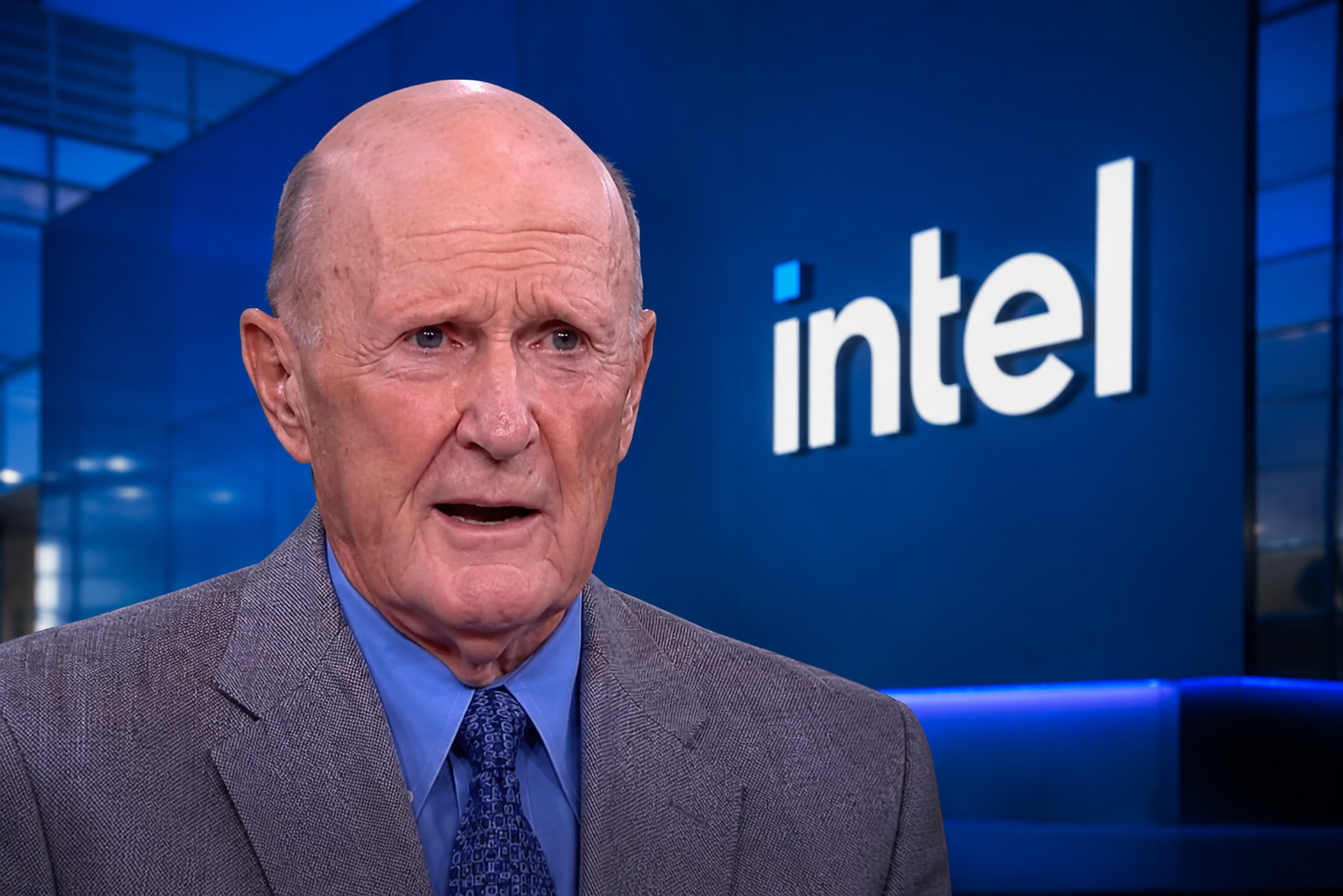
The semiconductor sector continues dominating global financial markets as artificial intelligence infrastructure spending accelerates at an unprecedented pace. While Nvidia and AMD have captured much of Wall Street’s attention during the AI boom, a surprising new institutional investment is now shifting investor focus toward a different semiconductor giant: Intel.
Billionaire investor Chase Coleman and his hedge fund Tiger Global Management recently disclosed a new $180 million position in Intel, signaling growing confidence that the once-struggling chipmaker may finally be staging one of the largest turnaround stories in the semiconductor industry.
Intel’s Massive Stock Rally Is Changing Wall Street Sentiment
Intel has emerged as one of the most surprising winners of the 2026 semiconductor rally, with shares climbing nearly 195% year-to-date and more than 400% over the past twelve months.
The rally has pushed Intel above price levels not seen since the dot-com era, dramatically reshaping sentiment around a company that spent years losing technological leadership and market share to competitors.
Tiger Global’s latest regulatory filing revealed the firm acquired approximately 1.64 million Intel shares during the first quarter, representing a position valued near $180 million. For a hedge fund known for concentrated, high-conviction investments, the move is being interpreted as a major institutional signal that confidence in Intel’s recovery is strengthening.
The investment also reflects how Wall Street’s focus within the AI trade is beginning to expand beyond GPU manufacturers toward companies positioned across broader layers of the semiconductor ecosystem.
Artificial Intelligence Demand Is Reviving Intel’s Core Business
One of the primary catalysts driving renewed optimism surrounding Intel is its improving financial performance tied directly to artificial intelligence infrastructure demand.
Under CEO Lip-Bu Tan, Intel has now delivered six consecutive quarters of revenue above its own guidance, signaling improving operational consistency after several difficult years.
The company recently reported first-quarter revenue of $13.6 billion, representing approximately 7% year-over-year growth, while adjusted earnings significantly exceeded analyst expectations.
Intel is also increasingly benefiting from demand tied to AI-related server infrastructure. While GPUs remain central to training advanced AI models, Intel’s Xeon processors continue playing a critical role in inference workloads, enterprise computing, and broader AI system architecture.
Recent strategic partnerships have reinforced investor confidence further. Intel expanded collaboration efforts with major cloud providers involving AI processors and infrastructure, while its Xeon 6 chips were also selected as host CPUs for Nvidia’s DGX Rubin systems.
Intel’s Foundry Expansion Is Becoming a Major Growth Driver
Another important component of Intel’s turnaround strategy centers around its aggressive manufacturing and foundry expansion efforts.
The company has spent heavily rebuilding domestic and international semiconductor production capabilities as governments and technology companies increasingly prioritize supply chain security and advanced chip manufacturing independence.
During the first quarter, Intel repurchased the minority equity interest tied to its Fab 34 facility in Ireland, strengthening operational control over one of its most strategically important manufacturing assets.
Investors increasingly view Intel Foundry Services as potentially one of the company’s most important long-term growth opportunities, particularly as Western governments continue supporting semiconductor localization initiatives amid ongoing geopolitical tensions involving China and Taiwan.
The combination of AI infrastructure demand and manufacturing expansion has allowed Intel to reposition itself not merely as a recovering legacy company, but as a strategically important participant within the next generation of semiconductor supply chains.
Wall Street Is Reassessing Intel’s Long-Term Role
Looking ahead, Intel’s recovery story remains closely tied to whether management can maintain execution consistency while competing against highly aggressive rivals across artificial intelligence, cloud computing, and advanced semiconductor manufacturing.
For investors such as Chase Coleman, the opportunity may lie in the belief that Intel’s valuation still does not fully reflect the company’s improving competitive position and strategic relevance within the global AI economy.
However, risks remain substantial. Semiconductor markets remain cyclical, AI-related capital spending could eventually slow, and competition from Nvidia, AMD, Taiwan Semiconductor Manufacturing Company, and other international chipmakers continues intensifying.
Still, the scale of Tiger Global’s investment suggests that at least some institutional investors increasingly believe Intel’s turnaround is evolving from a speculative recovery story into a broader structural transformation.
Outlook
Intel’s resurgence is increasingly becoming one of the most closely watched developments within the semiconductor industry as investors search for opportunities beyond the dominant AI leaders. If management can continue executing on manufacturing expansion, AI infrastructure integration, and foundry growth, Intel could strengthen its position as a critical player within the next phase of global semiconductor competition.
At the same time, elevated expectations, geopolitical risks, and intense industry competition mean the company’s recovery remains highly dependent on continued execution and sustained AI spending momentum throughout 2026 and beyond.
Comparison, examination, and analysis between investment houses
Leave your details, and an expert from our team will get back to you as soon as possible
* This article, in whole or in part, does not contain any promise of investment returns, nor does it constitute professional advice to make investments in any particular field.
To read more about the full disclaimer, click here
- Lior mor
- •
- 7 Min Read
- •
- ago 8 hours
SKN | The FX-Hedged Regime: How Currency Appreciation Reshapes Institutional Capital Allocation and Yield Hierarchies
Structural Shifts in Asset Pricing and Geopolitical Risk The reduction in geopolitical risk premiums throughout April 2026 established a new
- ago 8 hours
- •
- 7 Min Read

Structural Shifts in Asset Pricing and Geopolitical Risk The reduction in geopolitical risk premiums throughout April 2026 established a new

- sagi habasov
- •
- 8 Min Read
- •
- ago 3 days
SKN | Is Vivek Ramaswamy’s Full Exit From BuzzFeed Shares a Signal of Broader Media Sector Caution?
Vivek Ramaswamy, Ohio gubernatorial candidate and entrepreneur, has reportedly sold his entire stake in BuzzFeed, marking a complete exit from
- ago 3 days
- •
- 8 Min Read

Vivek Ramaswamy, Ohio gubernatorial candidate and entrepreneur, has reportedly sold his entire stake in BuzzFeed, marking a complete exit from
- Lior mor
- •
- 8 Min Read
- •
- ago 3 days
SKN | Honda Shares Rise Despite First-Ever Loss as Strong Guidance Boosts Investor Confidence
Honda Motor shares advanced after the Japanese automaker reported its first annual net loss, as investors instead focused on
- ago 3 days
- •
- 8 Min Read

Honda Motor shares advanced after the Japanese automaker reported its first annual net loss, as investors instead focused on
- sagi habasov
- •
- 8 Min Read
- •
- ago 3 days
SKN | Boeing Shares Gain Momentum After Trump Says China Agreed to Buy 200 Aircraft
Boeing moved back into focus for global investors after former U.S. President Donald Trump stated that China had agreed
- ago 3 days
- •
- 8 Min Read

Boeing moved back into focus for global investors after former U.S. President Donald Trump stated that China had agreed

