


- Lior mor
- •
- 7 Min Read
- •
- 11 seconds ago
Key Points
- U.S. court denies Bayer request to block advertising claims tied to prostate cancer drug
- Judge finds Bayer unlikely to succeed on merits of false advertising allegations
- Ruling highlights competitive tensions in high value oncology market
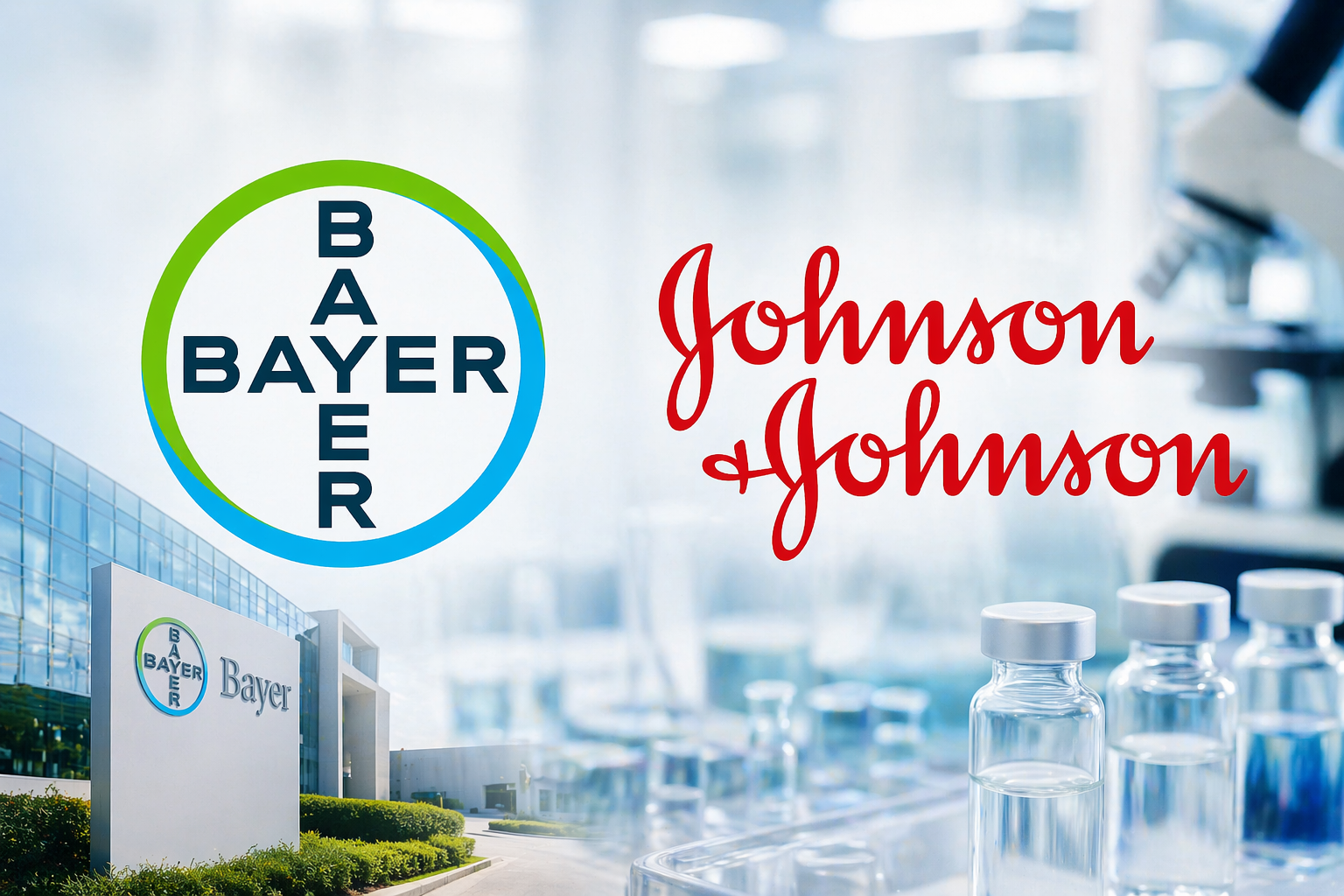
A U.S. federal court decision has added a new layer of complexity to the competitive landscape in the oncology sector, as a judge rejected an attempt by Bayer to block advertising claims made by Johnson & Johnson regarding its prostate cancer drug. The ruling underscores the legal and commercial stakes involved in pharmaceutical marketing, particularly in therapeutic areas where treatment differentiation directly influences physician decisions and patient outcomes.
Legal Challenge Centers on Advertising Claims
At the core of the dispute is Johnson and Johnson drug Erleada, which has been marketed with claims suggesting it can significantly reduce the risk of death from prostate cancer. Bayer argued that these assertions were misleading and constituted false advertising, potentially harming both market competition and patient trust.
The company sought an injunction to halt the campaign, asserting that the messaging could irreparably damage the positioning of its own competing treatment, Nubeqa. However, U.S. District Judge Dale Ho ruled that Bayer had not demonstrated a sufficient likelihood of success on the merits of its case, effectively allowing the advertising to continue for now.
Competitive Pressures in Oncology Intensify
The prostate cancer treatment market represents a multibillion dollar opportunity, with pharmaceutical companies investing heavily in both clinical development and commercial strategies. In such a high stakes environment, marketing claims can play a decisive role in shaping prescribing behavior.
For Bayer, the concern extends beyond immediate market share. The company argued that allowing potentially exaggerated claims could erode trust in the broader category, creating long term reputational risks. Meanwhile, Johnson and Johnson position reflects confidence in the clinical data supporting its product, reinforcing its competitive standing in a crowded therapeutic field.
Judicial Threshold Highlights Burden of Proof
The court decision highlights the high bar required to secure an injunction in cases involving alleged false advertising. To succeed, plaintiffs must demonstrate not only that the claims are misleading but also that they cause immediate and irreparable harm.
In this instance, the judge determined that Bayer had not met that threshold, signaling that disputes over drug marketing will often require more extensive litigation rather than early judicial intervention. This outcome may influence how pharmaceutical companies approach future challenges, potentially shifting strategies toward longer term legal battles rather than seeking immediate relief.
Implications for Industry Marketing Practices
The ruling may also have broader implications for how drugmakers communicate clinical outcomes. While aggressive marketing is common in competitive therapeutic areas, companies must balance promotional messaging with regulatory scrutiny and legal risk.
This case illustrates how competitors are increasingly willing to challenge each other in court, particularly when claims relate to survival benefits or other critical endpoints. As a result, the boundary between permissible marketing and misleading communication is likely to remain a focal point for both regulators and industry participants.
Outlook Focuses on Ongoing Legal and Market Developments
Looking ahead, the dispute between Bayer and Johnson and Johnson is unlikely to end with this ruling. Further legal proceedings could clarify the standards for advertising claims in oncology, while market dynamics will continue to evolve as new data and treatments emerge.
Comparison, examination, and analysis between investment houses
Leave your details, and an expert from our team will get back to you as soon as possible
* This article, in whole or in part, does not contain any promise of investment returns, nor does it constitute professional advice to make investments in any particular field.
To read more about the full disclaimer, click here
- Lior mor
- •
- 6 Min Read
- •
- ago 3 weeks
SKN | Is NVIDIA Facing a Renewed Credibility Test as $1B Crypto Revenue Lawsuit Moves Forward?
NVIDIA is once again under legal and investor scrutiny, as a U.S. federal judge certified a class-action lawsuit alleging the
- ago 3 weeks
- •
- 6 Min Read

NVIDIA is once again under legal and investor scrutiny, as a U.S. federal judge certified a class-action lawsuit alleging the

- sagi habasov
- •
- 7 Min Read
- •
- ago 1 month
SKN | Adobe Agrees to $150 Million Settlement Over Online Subscription Practices
Adobe Inc. has agreed to pay $150 million to settle allegations related to violations of online shopper protection laws,
- ago 1 month
- •
- 7 Min Read

Adobe Inc. has agreed to pay $150 million to settle allegations related to violations of online shopper protection laws,

- Ronny Mor
- •
- 6 Min Read
- •
- ago 1 month
SKN | Why Is Anthropic Fighting the Pentagon’s “Supply-Chain Risk” Label in U.S. Court?
Anthropic, one of the fastest-growing artificial intelligence startups, has asked a U.S. appeals court to temporarily block the Pentagon’s decision
- ago 1 month
- •
- 6 Min Read
Anthropic, one of the fastest-growing artificial intelligence startups, has asked a U.S. appeals court to temporarily block the Pentagon’s decision
- Lior mor
- •
- 6 Min Read
- •
- ago 1 month
SKN | Will Costco Be Forced to Refund Customers After Trump Tariffs Were Struck Down?
Costco is facing a proposed nationwide class-action lawsuit from customers who argue they deserve a share of potential tariff refunds
- ago 1 month
- •
- 6 Min Read
Costco is facing a proposed nationwide class-action lawsuit from customers who argue they deserve a share of potential tariff refunds

