





- Lior mor
- •
- 6 Min Read
- •
- 17 hours ago
Key Points
- The U.S. Treasury auctioned $39 billion in 10-year notes at a yield of 4.58%, the highest level since February 2025.
- Strong investor demand failed to push borrowing costs lower, signaling markets continue to demand higher compensation for long-term risk.
- Rising Treasury yields could influence borrowing costs, equity valuations, and Federal Reserve policy expectations in both U.S. and global markets.
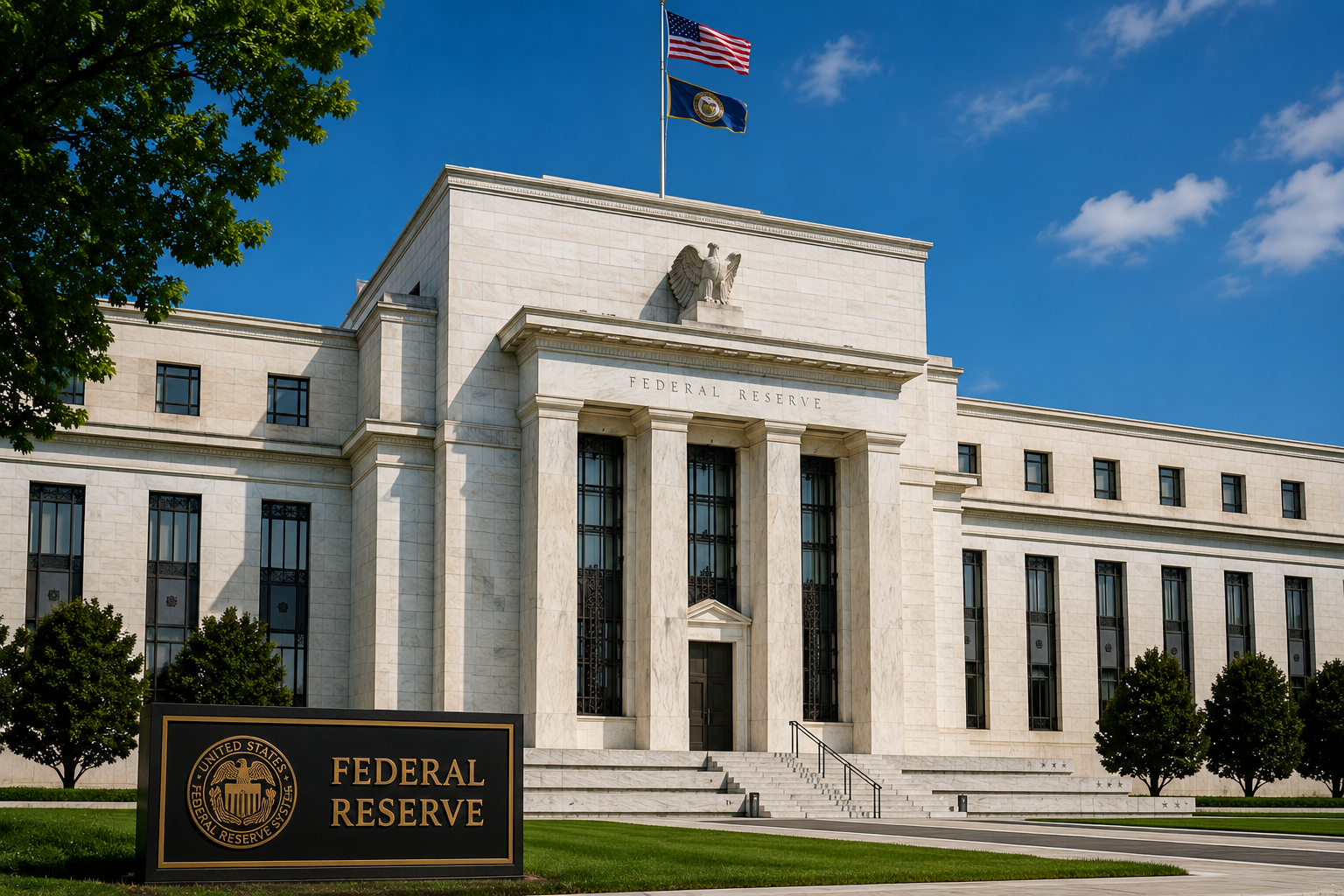
The U.S. Treasury’s latest $39 billion auction of 10-year notes underscored a growing disconnect between Federal Reserve policy and long-term bond market expectations. Despite three-quarter percentage point rate cuts since early 2025, investors required a 4.58% yield to purchase the securities—the highest auction yield since February 2025. The outcome suggests that while demand for U.S. government debt remains healthy, investors are increasingly focused on long-term inflation, expanding fiscal deficits, and elevated borrowing needs rather than recent monetary easing.
Strong Demand Meets Higher Compensation Requirements
The auction attracted solid participation, demonstrating that U.S. Treasuries continue to serve as one of the world’s most sought-after safe-haven assets. However, the willingness to participate did not translate into lower yields. Instead, investors demanded a relatively high level of compensation before committing capital for a decade.
This distinction is significant. Strong demand often signals confidence in the safety and liquidity of Treasury securities, but elevated yields indicate that buyers perceive greater long-term uncertainty. Inflation expectations, persistent government borrowing, and concerns surrounding the trajectory of federal debt have become increasingly influential factors in determining long-term interest rates.
Markets Look Beyond Federal Reserve Policy
The latest auction also illustrates that Treasury yields are not determined solely by the Federal Reserve’s benchmark interest rate. While policy rate reductions generally ease financial conditions, longer-dated Treasury yields reflect broader expectations regarding economic growth, inflation, fiscal sustainability, and future bond supply.
February 2025 marked the period before the Federal Reserve implemented cumulative rate cuts totaling 75 basis points. Yet today’s auction produced an equally high yield, highlighting that investors believe structural risks remain elevated despite easier monetary policy. The bond market appears to be signaling that inflation may remain more persistent than previously anticipated or that increased Treasury issuance will continue placing upward pressure on long-term yields.
Implications for Investors and Financial Markets
Higher 10-year Treasury yields ripple across nearly every segment of the financial system. Mortgage rates, corporate borrowing costs, commercial lending, and equity valuations frequently move in response to changes in benchmark government yields. For stock investors, elevated Treasury returns also create greater competition for capital, particularly affecting growth-oriented companies whose valuations depend heavily on future earnings.
From a behavioral perspective, investors appear to be balancing confidence in the resilience of the U.S. economy with caution over long-term fiscal and inflationary risks. Rather than avoiding Treasuries, they are simply demanding more attractive returns before extending capital over a ten-year horizon.
Looking ahead, market participants will closely monitor upcoming inflation reports, labor market data, Treasury issuance schedules, and future Federal Reserve communications. If economic growth remains resilient while government borrowing continues to expand, long-term Treasury yields could remain elevated even if policymakers pursue additional rate reductions. Such an environment would reinforce the growing importance of fixed-income markets as a primary driver of global asset pricing.
Comparison, examination, and analysis between investment houses
Leave your details, and an expert from our team will get back to you as soon as possible
* This article, in whole or in part, does not contain any promise of investment returns, nor does it constitute professional advice to make investments in any particular field.
To read more about the full disclaimer, click here
- omer bar
- •
- 8 Min Read
- •
- ago 1 day
SKN | Will Resurgent Geopolitical Risk Force the Fed to Recalibrate Its Path?
The relative calm that had characterized global bond markets in recent weeks evaporated on Wednesday morning, as geopolitical friction returned
- ago 1 day
- •
- 8 Min Read

The relative calm that had characterized global bond markets in recent weeks evaporated on Wednesday morning, as geopolitical friction returned

- Ronny Mor
- •
- 8 Min Read
- •
- ago 1 day
SKN | Gold Holds Firm as Investors Await Fed Minutes and Monitor U.S.-Iran Tensions
Gold markets remained resilient as investors balanced renewed geopolitical risks with expectations surrounding future U.S. monetary policy. According to
- ago 1 day
- •
- 8 Min Read

Gold markets remained resilient as investors balanced renewed geopolitical risks with expectations surrounding future U.S. monetary policy. According to

- sagi habasov
- •
- 7 Min Read
- •
- ago 3 days
SKN | Is the Japanese Yen Approaching Another Intervention? Markets Test Tokyo’s Resolve Near Multi-Decade Lows
The Japanese yen continues to trade near multi-decade lows against the U.S. dollar, keeping foreign exchange markets focused on whether
- ago 3 days
- •
- 7 Min Read

The Japanese yen continues to trade near multi-decade lows against the U.S. dollar, keeping foreign exchange markets focused on whether
- omer bar
- •
- 7 Min Read
- •
- ago 4 days
SKN | Dollar Slides to Two-Week Lows as Rate-Cut Expectations Build, Yen Stability Debate Intensifies
The U.S. dollar traded near two-week lows as investors reassessed the Federal Reserve’s policy trajectory, with growing conviction that the
- ago 4 days
- •
- 7 Min Read

The U.S. dollar traded near two-week lows as investors reassessed the Federal Reserve’s policy trajectory, with growing conviction that the


