


- orshu
- •
- 7 Min Read
- •
- 18 seconds ago
Key Points
- Asian markets declined as investors remained cautious despite improving Middle East ceasefire signals.
- Wall Street continued to hit record highs, creating a divergence in global market sentiment.
- Oil price movements and central bank signals are adding complexity to investor decision-making.
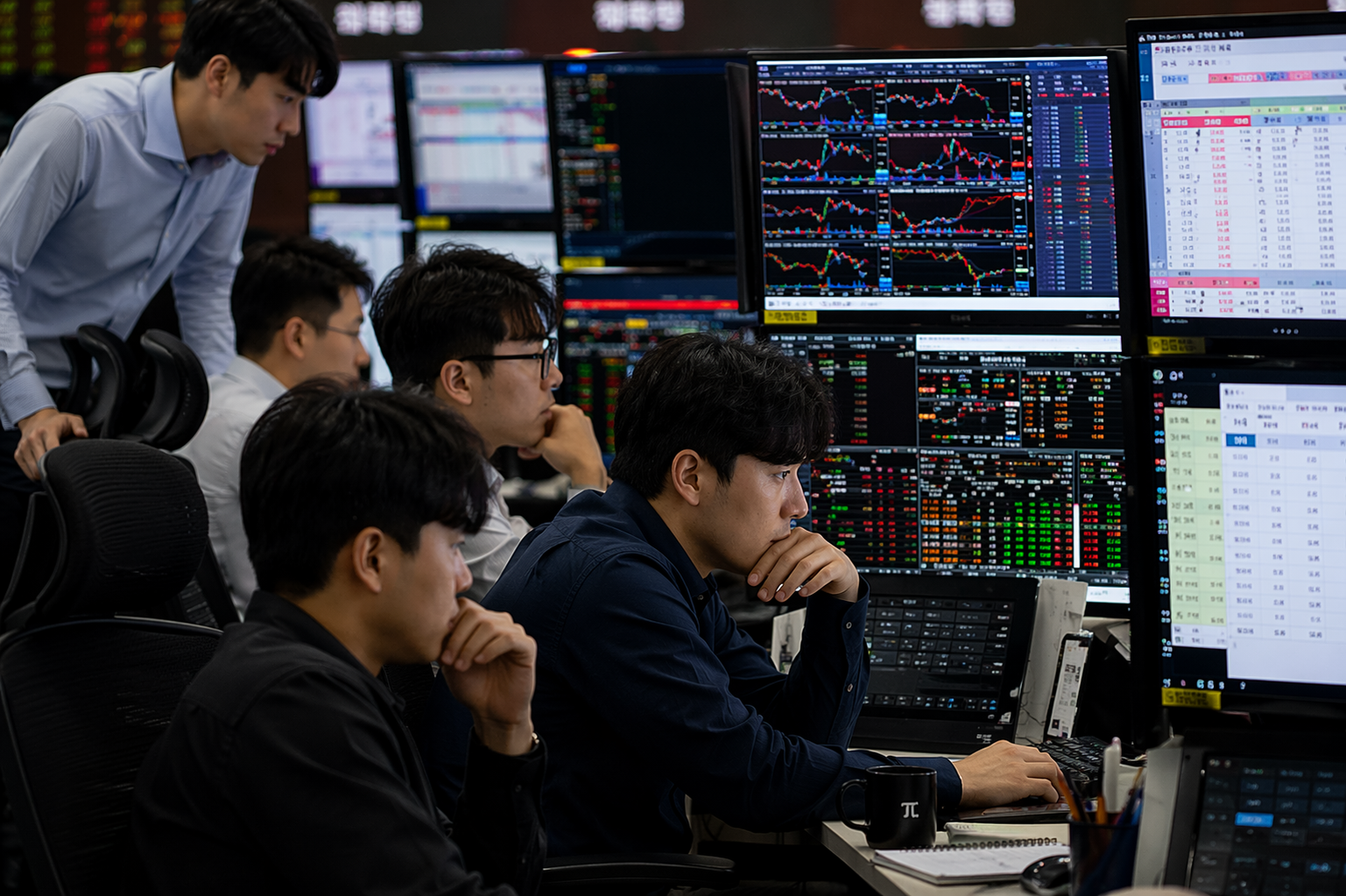
Asian equity markets closed mostly lower, reflecting a cautious tone among investors even as geopolitical tensions in the Middle East showed signs of easing. The divergence from Wall Street’s record-breaking rally underscores a key theme in global markets: optimism is returning, but conviction remains limited. While U.S. indices continue to push higher, Asian investors appear more focused on lingering uncertainties tied to the Iran conflict, energy markets, and regional economic conditions.
Geopolitical Optimism Meets Market Caution
Investor sentiment in Asia was shaped by mixed signals surrounding the Middle East. Comments from Donald Trump suggesting that the Iran conflict “should be ending pretty soon” offered a degree of reassurance, alongside confirmation of a temporary ceasefire between Israel and Lebanon. These developments have supported expectations that broader negotiations between the U.S. and Iran could resume in the near term.
However, the lack of a clear timeline for a lasting agreement has tempered risk appetite. Markets tend to price in certainty more than potential, and the ongoing fragility of the ceasefire has kept investors on the sidelines. This cautious approach explains why Asian equities failed to follow the strong upward momentum seen in U.S. markets.
Regional Markets Reflect Profit-Taking and Uneven Sentiment
Japan’s Nikkei 225 led regional declines, falling 1.75% after reaching record highs in the previous session. The pullback reflects classic profit-taking behavior, where investors lock in gains following strong rallies. Similarly, South Korea’s Kospi edged lower, while Hong Kong’s Hang Seng Index dropped more sharply, indicating broader caution across major markets.
Mainland China’s CSI 300 Index also declined modestly, highlighting subdued domestic sentiment despite easing global tensions. In contrast, India’s Nifty 50 managed slight gains, suggesting that local factors and investor positioning continue to play a significant role in regional performance.
This uneven performance points to a fragmented market environment, where global narratives are filtered through regional economic realities and investor behavior.
Energy Markets and Policy Signals Add Complexity
Oil prices moved lower, with West Texas Intermediate and Brent crude both declining, reflecting reduced immediate concerns about supply disruptions. However, volatility in energy markets continues to influence broader financial conditions, including currency movements and inflation expectations.
Policymakers are also adding to the complexity. Comments from central bank officials, including those from Japan, indicate that monetary policy remains highly sensitive to global developments. Low real interest rates and evolving inflation dynamics are forcing central banks to balance growth support with financial stability concerns.
Additionally, initiatives such as Japan’s plan to allocate up to 600 billion yen for energy investment highlight how governments are actively responding to supply risks, reinforcing the strategic importance of energy security in the current environment.
Outlook Hinges on Clarity and Global Coordination
Looking ahead, the direction of Asian markets will depend on whether geopolitical optimism translates into concrete progress. A confirmed and lasting resolution to the Iran conflict could align global markets and support a broader rally. However, continued uncertainty may keep Asian equities lagging behind their U.S. counterparts.
At the same time, investors will be closely monitoring energy prices, central bank actions, and regional economic data for further signals. In a market environment defined by rapid shifts in sentiment, the ability to balance optimism with caution will remain critical as global markets navigate the next phase of volatility.
Comparison, examination, and analysis between investment houses
Leave your details, and an expert from our team will get back to you as soon as possible
* This article, in whole or in part, does not contain any promise of investment returns, nor does it constitute professional advice to make investments in any particular field.
To read more about the full disclaimer, click here
- orshu
- •
- 5 Min Read
- •
- ago 30 minutes
SKN | Asia Markets Pull Back on April 17, 2026 as Japan Drops 1.75% and Regional Rally Pauses
Asian markets closed April 17, 2026, mostly lower, as the strong rally seen in previous sessions lost momentum. The pullback
- ago 30 minutes
- •
- 5 Min Read
Asian markets closed April 17, 2026, mostly lower, as the strong rally seen in previous sessions lost momentum. The pullback
- orshu
- •
- 4 Min Read
- •
- ago 2 hours
SKN | European Markets Show Muted Gains as Momentum Slows and Currencies Weaken
European markets closed with modest gains on Friday, April 17, 2026, as the recent recovery trend showed signs of slowing.
- ago 2 hours
- •
- 4 Min Read

European markets closed with modest gains on Friday, April 17, 2026, as the recent recovery trend showed signs of slowing.
- orshu
- •
- 6 Min Read
- •
- ago 13 hours
SKN | Markets Extend Gains on April 16, 2026 as S&P 500 Hits New High and Volatility Drops Further
U.S. equity markets closed higher on Thursday, April 16, 2026, continuing their steady upward climb as investor confidence remained strong.
- ago 13 hours
- •
- 6 Min Read

U.S. equity markets closed higher on Thursday, April 16, 2026, continuing their steady upward climb as investor confidence remained strong.

- omer bar
- •
- 7 Min Read
- •
- ago 17 hours
SKN | Are Record Highs in the S&P 500 and Nasdaq Signaling Strength or Overconfidence in a Fragile Market?
U.S. equity markets pushed to new record levels as optimism surrounding geopolitical de-escalation in the Middle East fueled a renewed
- ago 17 hours
- •
- 7 Min Read

U.S. equity markets pushed to new record levels as optimism surrounding geopolitical de-escalation in the Middle East fueled a renewed

