





- Ronny Mor
- •
- 7 Min Read
- •
- 4 hours ago
Key Points
- Westpac reported a 20% decline in average monthly mortgage applications following Australia’s changes to tax rules affecting property investors.
- The bank expects investor housing-credit growth to slow from 9.1% in 2026 to 4.5% in 2027 as tax changes and borrowing costs reshape demand.
- Weaker investor activity could influence housing turnover, bank lending growth, property prices, and broader economic conditions in Australia.
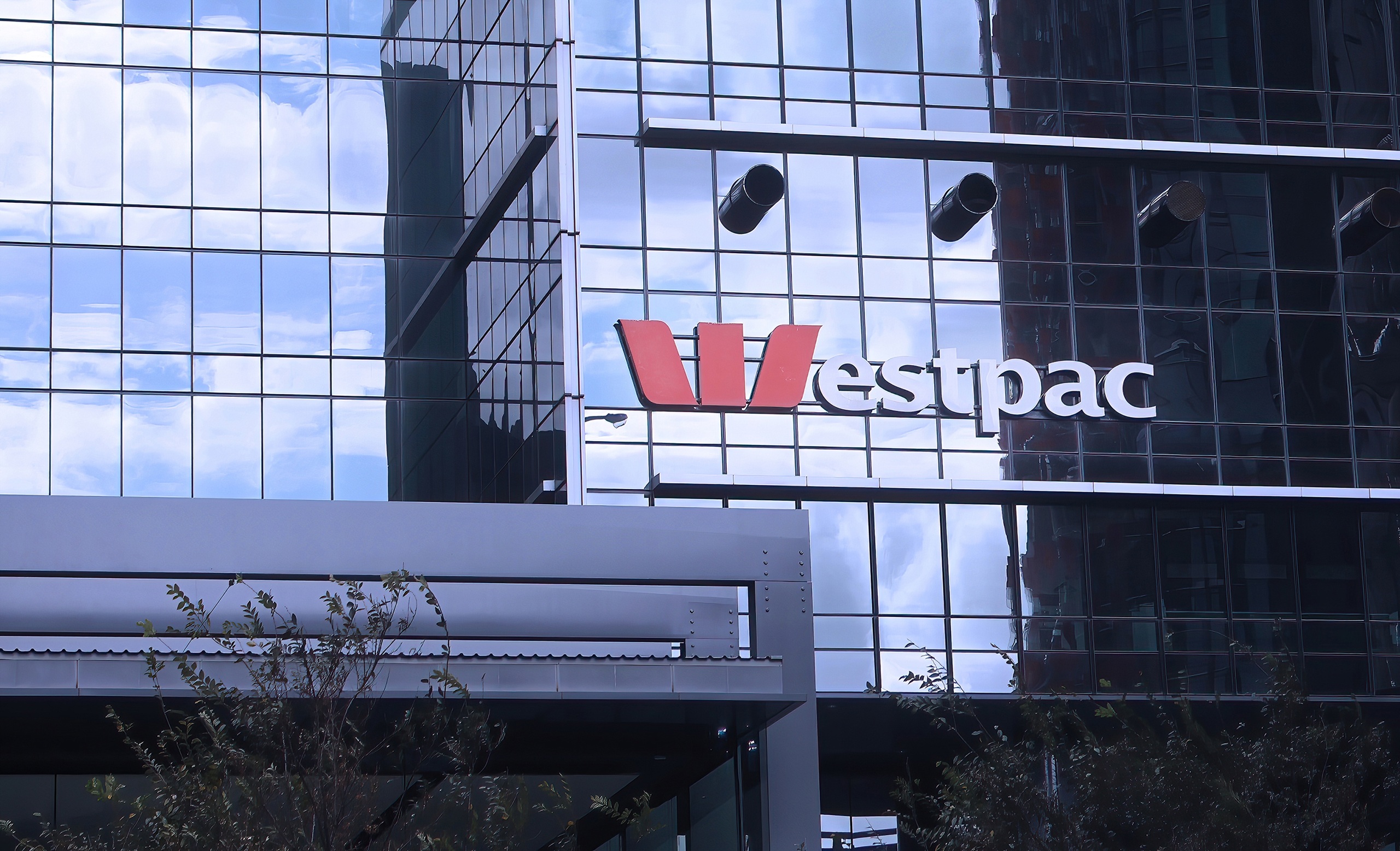
Westpac Banking Corp., Australia’s second-largest lender, has reported a sharp decline in mortgage applications following changes to the country’s tax treatment of property investment. The 20% drop highlights how fiscal policy, financing costs, and investor expectations are increasingly influencing Australia’s housing market at a time when households are already facing elevated borrowing costs.
Tax Changes Reshape the Economics of Property Investment
The decline in mortgage applications comes after Australia introduced changes affecting the tax treatment of residential property investment. The reforms are designed to reduce some of the tax advantages associated with investing in existing housing, while maintaining greater incentives for investment in new housing supply.
For prospective property investors, changes to after-tax returns can materially influence borrowing decisions. Property purchases typically involve substantial leverage, meaning even relatively modest changes in taxation or interest costs can alter the expected profitability of an investment. Westpac’s reported decline therefore indicates that some borrowers may be reassessing property purchases rather than simply delaying applications.
The development is particularly significant for Australia’s housing market because investors represent an important source of demand in several major metropolitan markets. A sustained reduction in investor participation could affect transaction volumes and the composition of housing demand.
Investor Credit Growth Faces a Sharp Slowdown
Westpac expects the impact of weaker investor demand to extend beyond mortgage applications. The bank forecasts growth in investor housing credit to fall from 9.1% in 2026 to 4.5% in 2027 and 4.4% in 2028, representing a substantial moderation in the pace of lending.
Overall housing-credit growth is also expected to slow, declining from 6.8% in 2026 to 4.7% in 2027 before recovering to 5.2% in 2028. Owner-occupier demand is expected to provide some support as investor activity weakens.
Higher borrowing costs add another layer of pressure. For households considering property purchases, mortgage rates remain a major factor in affordability and purchasing decisions. For banks, slower credit growth could increase competition for borrowers and place greater emphasis on maintaining margins, deposit growth, and credit quality.
What the Australian Housing Shift Means for Global Markets
The developments at Westpac highlight a broader relationship between tax policy, monetary conditions, and asset markets. When governments change fiscal incentives while financing costs remain elevated, investors can quickly reassess the attractiveness of leveraged assets such as residential property.
For investors in Israel, Australia’s housing market provides a useful international example of how policy changes can influence real estate demand and bank lending. Similar dynamics are relevant across developed markets, where elevated property valuations, interest-rate expectations, and affordability pressures remain important considerations for financial institutions and real estate investors.
The consequences for Westpac and the wider Australian economy will depend on how persistent the decline in investor activity becomes. A weaker housing market could reduce transaction-related economic activity, while limited housing supply and continued population growth could provide underlying support for prices and owner-occupier demand.
Looking ahead, investors will be watching mortgage applications, housing-credit growth, property transactions, house prices, interest-rate decisions, and bank lending conditions. The key question will be whether the 20% decline remains concentrated among property investors or develops into a broader slowdown in Australian housing demand and credit growth.
Comparison, examination, and analysis between investment houses
Leave your details, and an expert from our team will get back to you as soon as possible
* This article, in whole or in part, does not contain any promise of investment returns, nor does it constitute professional advice to make investments in any particular field.
To read more about the full disclaimer, click here
- Ronny Mor
- •
- 7 Min Read
- •
- ago 2 days
SKN | Gold Climbs to Seven-Week High as Weak U.S. Jobs Report Reshapes Fed Expectations
Gold prices extended their recent rally on Friday, reaching their highest level in seven weeks after disappointing U.S. labor
- ago 2 days
- •
- 7 Min Read

Gold prices extended their recent rally on Friday, reaching their highest level in seven weeks after disappointing U.S. labor
- Ronny Mor
- •
- 6 Min Read
- •
- ago 3 days
SKN | Why Is Nutella So Much More Expensive in Latvia? Price Gap Highlights Retail Competition Concerns
Consumer prices within the eurozone are once again drawing attention after a comparison of Nutella prices revealed a substantial gap
- ago 3 days
- •
- 6 Min Read
Consumer prices within the eurozone are once again drawing attention after a comparison of Nutella prices revealed a substantial gap

- omer bar
- •
- 7 Min Read
- •
- ago 4 days
SKN | Could the Federal Reserve Raise Rates Again? Fed’s Cook Signals Inflation Remains the Deciding Factor
The Federal Reserve may not be finished tightening monetary policy if inflation remains persistent, according to comments from Governor Lisa
- ago 4 days
- •
- 7 Min Read
The Federal Reserve may not be finished tightening monetary policy if inflation remains persistent, according to comments from Governor Lisa

- Arik Arkadi Sluzki
- •
- 7 Min Read
- •
- ago 4 days
SKN | ECB Says AI Investment Is Softening the Impact of Uncertainty on Euro Zone Growth
The European Central Bank (ECB) believes that rising investment in artificial intelligence and other intangible assets is helping cushion
- ago 4 days
- •
- 7 Min Read
The European Central Bank (ECB) believes that rising investment in artificial intelligence and other intangible assets is helping cushion


