


- orshu
- •
- 6 Min Read
- •
- 13 seconds ago
Key Points
- VIX climbed sharply to 26.16, reflecting a significant rise in market volatility.
- Intraday spikes signal heightened uncertainty, with the index reaching highs near 27.27.
- Risk sentiment weakened, aligning with broader equity market pressure.

The CBOE Volatility Index (VIX), often referred to as Wall Street’s “fear gauge,” surged on April 07, rising to 26.16 as of midday trading. The sharp increase underscores a shift in investor sentiment, with markets showing signs of heightened caution amid ongoing macroeconomic uncertainty.
This move comes as equities face pressure and investors increasingly turn to hedging strategies, signaling a more defensive positioning across financial markets.
Intraday Volatility Reflects Elevated Market Tension
The VIX opened at 25.09 and quickly moved higher, reaching an intraday high near 27.27 before stabilizing around the 26 level. The day’s range between 24.34 and 27.27 highlights significant fluctuations, pointing to uncertain trading conditions.
Such intraday spikes often indicate rapid shifts in investor expectations, particularly in response to economic data, geopolitical developments, or changes in monetary policy outlook. The sustained elevation above the 25 level suggests that markets are entering a phase of increased volatility, rather than experiencing a short-lived spike.
Historically, VIX levels above 20 are associated with heightened risk perception, while levels approaching 30 indicate more pronounced market stress. The current positioning places the index firmly within a cautionary zone.
Correlation with Equity Market Weakness
The rise in the VIX aligns closely with declines in major equity indices, reinforcing its role as a key indicator of market sentiment. As volatility increases, investors tend to reduce exposure to risk assets, leading to downward pressure on stocks.
This inverse relationship highlights the importance of the VIX as a tool for understanding broader market dynamics. The current increase suggests that investors are actively seeking protection against potential downside risks, which can amplify market movements.
Additionally, elevated volatility can impact options pricing, portfolio hedging costs, and overall market liquidity. These factors contribute to a more complex trading environment, particularly for institutional investors managing large portfolios.
Macro Drivers Behind the Volatility Surge
Several macroeconomic factors are contributing to the current rise in volatility. Ongoing uncertainty סביב interest rate expectations, inflation trends, and global economic growth continues to influence investor behavior.
Central bank policies remain a key focal point, as markets assess the timing and magnitude of potential rate adjustments. Any deviation from expected policy paths can trigger rapid shifts in sentiment, as reflected in the VIX.
Geopolitical developments and global market trends также play a role, adding layers of complexity to the current environment. These factors collectively contribute to a landscape where volatility is likely to remain elevated in the near term.
Looking ahead, investors will closely monitor key economic indicators, central bank communications, and geopolitical developments for further signals on market direction. Sustained VIX levels above 25 may indicate continued market instability, while a decline below this threshold could suggest a return to more stable conditions. Opportunities may arise in volatility-driven strategies, but risks remain elevated as markets adjust to evolving economic and policy dynamics.
Comparison, examination, and analysis between investment houses
Leave your details, and an expert from our team will get back to you as soon as possible
* This article, in whole or in part, does not contain any promise of investment returns, nor does it constitute professional advice to make investments in any particular field.
To read more about the full disclaimer, click here
- orshu
- •
- 6 Min Read
- •
- ago 1 hour
SKN | European Markets Close Lower as Broad Selling Pressure Weighs on Major Indices
European markets closed on April 07 with a negative tone, as widespread selling pressure pushed major indices lower. The
- ago 1 hour
- •
- 6 Min Read
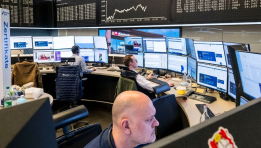
European markets closed on April 07 with a negative tone, as widespread selling pressure pushed major indices lower. The
- orshu
- •
- 6 Min Read
- •
- ago 4 hours
SKN | US Markets Open Mixed as Volatility Rises and Risk Sentiment Weakens
US markets opened on April 07 with a mixed tone, reflecting growing investor caution amid rising volatility and uneven
- ago 4 hours
- •
- 6 Min Read
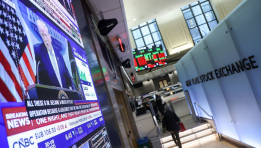
US markets opened on April 07 with a mixed tone, reflecting growing investor caution amid rising volatility and uneven
- orshu
- •
- 5 Min Read
- •
- ago 8 hours
SKN | Asia Markets Close Higher on April 7, 2026 as Australia Leads Gains While Hong Kong Lags Amid Holiday Closures
Asian markets closed April 7, 2026, mostly higher, as investors cautiously returned to equities following a period of mixed performance
- ago 8 hours
- •
- 5 Min Read
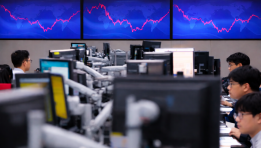
Asian markets closed April 7, 2026, mostly higher, as investors cautiously returned to equities following a period of mixed performance
- orshu
- •
- 5 Min Read
- •
- ago 10 hours
SKN | European Markets Hold Steady as Mixed Performance Signals Ongoing Consolidation
European markets traded with little direction on Tuesday, April 7, 2026, as investors adopted a cautious stance following recent volatility.
- ago 10 hours
- •
- 5 Min Read

European markets traded with little direction on Tuesday, April 7, 2026, as investors adopted a cautious stance following recent volatility.

