


- Lior mor
- •
- 6 Min Read
- •
- 5 months ago
Key Points
- The U.S. has temporarily suspended port fees for Chinese-flagged vessels, aiming to ease tensions in maritime trade and reduce costs for shipping lines.
- The move could help stabilize supply chains and lower freight costs, benefiting U.S. importers amid inflationary pressures.
- Analysts caution that while short-term relief is expected, long-term trade relations and regulatory enforcement will remain closely monitored.
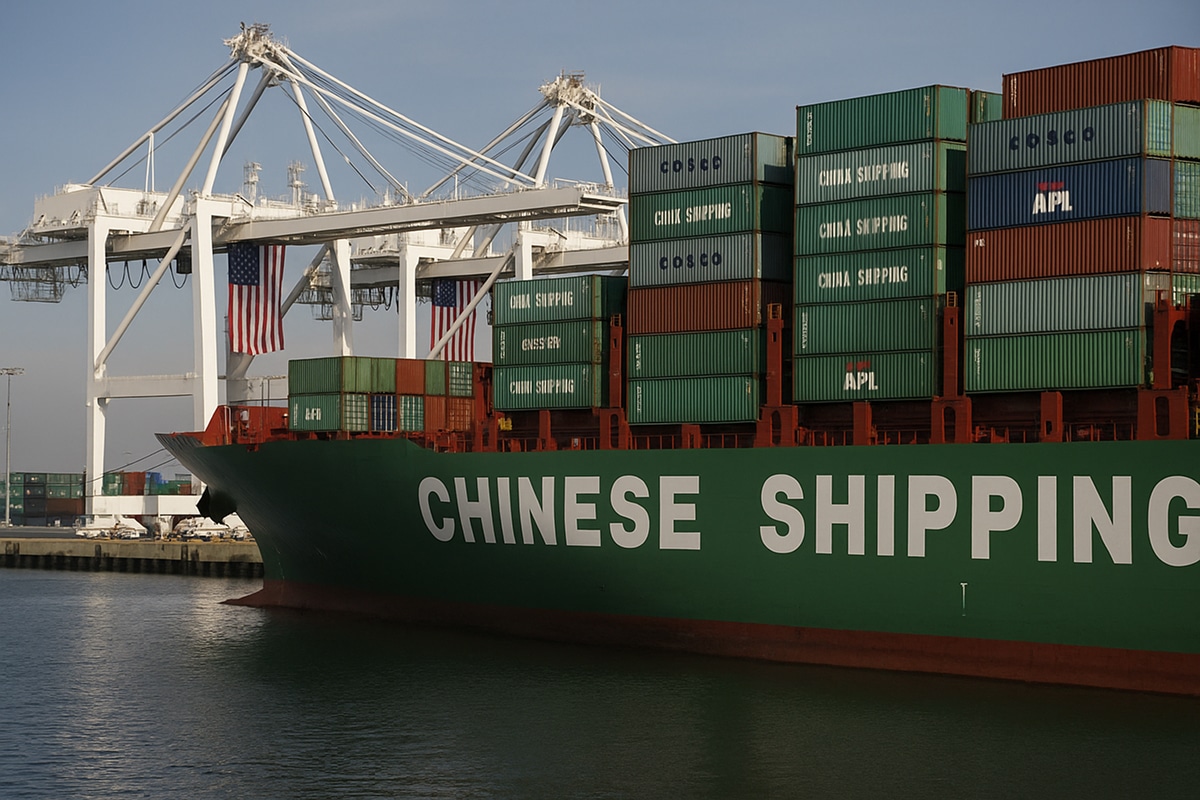
The United States has announced a temporary suspension of port fees for Chinese-flagged ships, signaling an attempt to reduce friction in bilateral trade and support global supply chains. This decision comes amid heightened scrutiny of trade flows, rising shipping costs, and broader geopolitical tensions affecting maritime logistics and global commerce. For international investors and shipping companies, the policy may influence cost structures, freight rates, and operational planning in the months ahead.
Impact on Shipping and Supply Chains
The suspension of port fees is expected to provide immediate relief for Chinese carriers operating in major U.S. ports, lowering operational expenses and potentially reducing freight surcharges passed on to importers. Analysts note that container shipping costs from Asia to the U.S. have been elevated over the past two years due to congestion, tariffs, and pandemic-related disruptions. By alleviating fee burdens, the U.S. could see smoother cargo movement, faster turnaround times, and a modest reduction in import costs for consumer goods and industrial components, which may help temper inflationary pressures in key sectors.
Market and Trade Implications
Financial markets and trade observers view the measure as a tactical adjustment rather than a fundamental policy shift. While shipping stocks may experience temporary volatility due to improved cost dynamics, broader market reactions will depend on sustained trade stability and potential negotiations over tariffs or regulatory compliance. The move may also influence investor sentiment regarding U.S.-China trade relations, particularly in sectors heavily reliant on cross-border logistics, such as electronics, consumer goods, and manufacturing inputs. For companies with complex supply chains, the fee suspension can provide operational flexibility but does not eliminate risks associated with geopolitical uncertainty or trade policy changes.
Strategic Considerations for Stakeholders
For port operators, shippers, and logistics providers, the suspension underscores the need to adapt to evolving regulatory and policy environments. Businesses may recalibrate shipping strategies, optimize vessel scheduling, and negotiate contract terms to maximize cost efficiencies. Investors, meanwhile, should monitor freight rates, port activity data, and policy announcements to assess ongoing market exposure. The temporary nature of the suspension implies that stakeholders must remain vigilant to potential reinstatement of fees or additional trade measures, which could impact profit margins and capital allocation decisions.
Looking forward, market participants will watch for updates on the duration of the fee suspension, potential expansion to other routes or ports, and the broader context of U.S.-China trade negotiations. While the short-term effects may improve logistics efficiency and cost predictability, long-term supply chain resilience will depend on structural trade policies, bilateral agreements, and global shipping demand dynamics.
Comparison, examination, and analysis between investment houses
Leave your details, and an expert from our team will get back to you as soon as possible
* This article, in whole or in part, does not contain any promise of investment returns, nor does it constitute professional advice to make investments in any particular field.
To read more about the full disclaimer, click here
- sagi habasov
- •
- 9 Min Read
- •
- ago 11 minutes
SKN | Is “Mild Stagflation” the New Reality as Oil Stays Near $100 Amid Iran War Disruptions?
Bank of America has sharply revised its global economic outlook, warning that the ongoing Iran conflict is driving a “mild
- ago 11 minutes
- •
- 9 Min Read

Bank of America has sharply revised its global economic outlook, warning that the ongoing Iran conflict is driving a “mild
- sagi habasov
- •
- 6 Min Read
- •
- ago 4 hours
SKN | US Treasury to Engage with Insurance Regulators on Private Credit Market Oversight
The US Treasury Department has scheduled meetings with insurance regulators to evaluate the growing private credit sector, which has expanded
- ago 4 hours
- •
- 6 Min Read
The US Treasury Department has scheduled meetings with insurance regulators to evaluate the growing private credit sector, which has expanded

- omer bar
- •
- 6 Min Read
- •
- ago 5 hours
SKN | Australia Extends $693 Million in Low-Cost Loans to Businesses to Ease Fuel Price Pressures
Amid rising fuel prices and supply constraints, the Australian government has introduced a $693 million low-interest loan program for businesses.
- ago 5 hours
- •
- 6 Min Read
Amid rising fuel prices and supply constraints, the Australian government has introduced a $693 million low-interest loan program for businesses.
- sagi habasov
- •
- 7 Min Read
- •
- ago 6 hours
SKN | Are Global Stock Markets Closed for Good Friday and Easter Monday? What Investors Need to Know
Global financial markets periodically pause trading for religious and national holidays, and the Easter period is among the most widely
- ago 6 hours
- •
- 7 Min Read

Global financial markets periodically pause trading for religious and national holidays, and the Easter period is among the most widely

