


- orshu
- •
- 7 Min Read
- •
- 8 seconds ago
Key Points
- Major US indices declined during active trading, led by weakness in technology stocks.
- Volatility surged sharply, indicating rising investor uncertainty.
- Defensive signals emerged with gains in the US dollar and small-cap resilience.
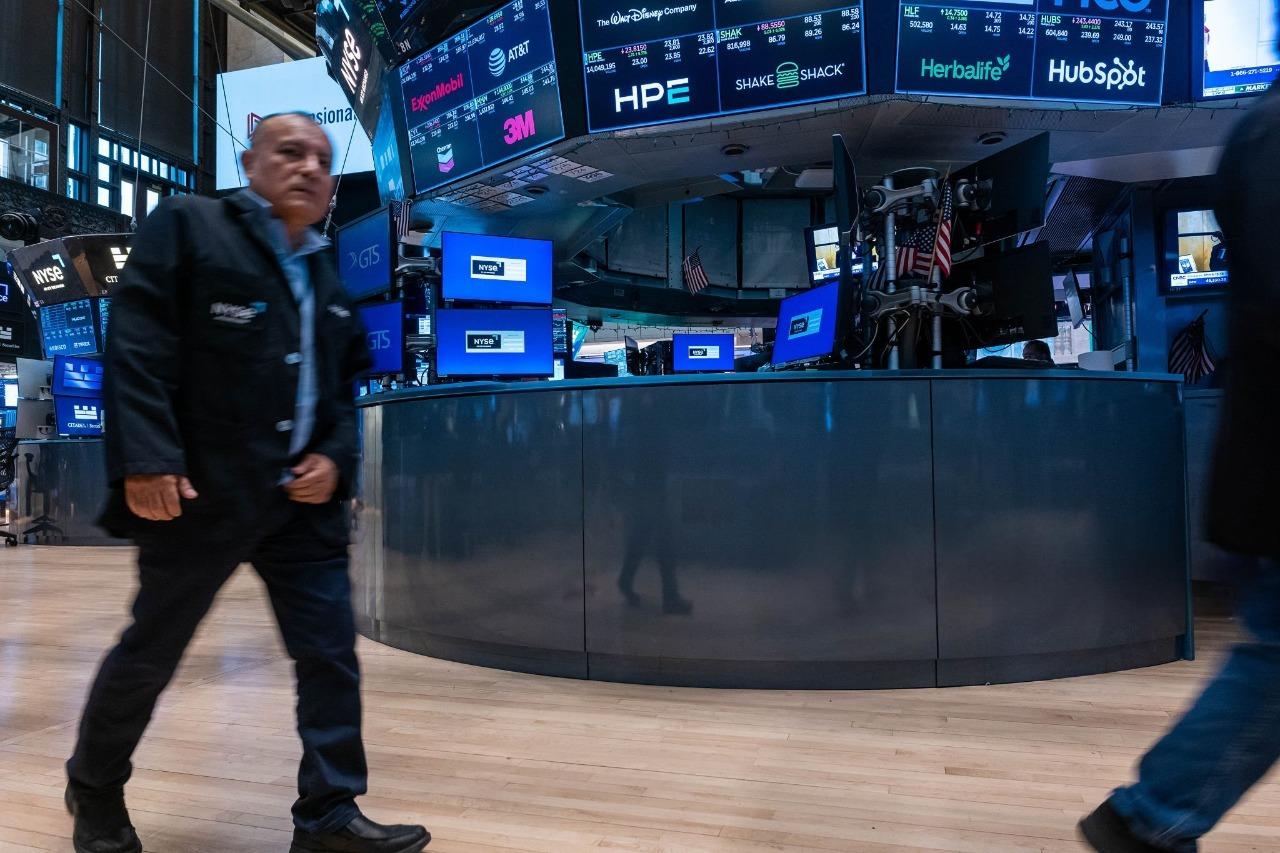
US equities traded lower on April 2 as investors reassessed risk amid rising volatility and sector divergence. While large-cap indices declined, pockets of resilience in small caps and currency markets suggest a more nuanced shift in sentiment rather than a broad-based selloff.
Technology-Led Decline Weighs on Major Indices
The downturn in US markets was led by significant weakness in technology-heavy indices. The Nasdaq fell by 2.05%, marking the steepest decline among major benchmarks, reflecting pressure on growth-oriented stocks. Similarly, the S&P 500 dropped by 1.35%, indicating broad-based weakness across sectors, while the Dow Jones Industrial Average declined by 1.26%, signaling that even more defensive blue-chip names were not immune to selling pressure.
This trend suggests a rotation away from high-valuation growth equities, particularly as investors reassess interest rate expectations and earnings sustainability. Technology stocks, which have led much of the market’s gains in recent quarters, are often the first to react to shifts in macroeconomic sentiment and liquidity conditions.
For global investors, including those in Israel with exposure to US equities, this pullback highlights the importance of monitoring sector concentration risks, particularly in portfolios heavily weighted toward technology and AI-driven names.
Volatility Surge and Defensive Signals Emerge
A key development during the session was the sharp rise in market volatility. The VIX climbed by 12.63%, reflecting increased demand for hedging and a noticeable shift toward risk aversion. Spikes in volatility often coincide with periods of uncertainty, suggesting that investors are bracing for potential near-term market fluctuations.
At the same time, the US Dollar Index rose by 0.46%, signaling a move toward safe-haven assets. A strengthening dollar can tighten financial conditions globally, particularly impacting emerging markets and multinational earnings.
Interestingly, the Russell 2000 gained by 0.64%, indicating relative strength in small-cap stocks. This divergence may point to selective buying or repositioning, as some investors rotate into domestically focused companies that are less exposed to global macro pressures.
Global Weakness Extends Beyond US Markets
The negative sentiment was not confined to US equities. Canada’s S&P/TSX Composite fell by 1.00%, while Brazil’s IBOVESPA declined by 1.18%, reflecting broader weakness across the Americas. These declines suggest that global investors are adopting a more cautious stance, potentially driven by concerns around economic growth, interest rates, and geopolitical developments.
Such synchronized movements across regions often indicate macro-driven selling rather than company-specific factors. For institutional investors, this environment reinforces the need to evaluate cross-market correlations and diversification strategies.
Additionally, the combination of rising volatility and declining equity indices may signal the early stages of a broader market recalibration, particularly if upcoming economic data or central bank signals reinforce uncertainty.
Looking ahead, market participants will closely monitor key catalysts, including upcoming economic data releases, central bank commentary, and corporate earnings guidance. The trajectory of interest rates, inflation trends, and liquidity conditions will remain central to determining whether current weakness evolves into a deeper correction or stabilizes. While volatility has increased, periods of repricing can also create selective opportunities, particularly in sectors demonstrating earnings resilience and strong balance sheets. Investors are likely to remain cautious in the near term, with a focus on risk management and portfolio positioning in an increasingly complex macro environment.
Comparison, examination, and analysis between investment houses
Leave your details, and an expert from our team will get back to you as soon as possible
* This article, in whole or in part, does not contain any promise of investment returns, nor does it constitute professional advice to make investments in any particular field.
To read more about the full disclaimer, click here
- orshu
- •
- 6 Min Read
- •
- ago 4 hours
SKN | Asia Markets Reverse Lower on April 2, 2026 as Korea Drops 4.47% and Japan Slides, Erasing Prior Day Gains
Asian markets closed April 2, 2026, sharply lower, reversing much of the previous session’s strong gains. The decline was broad-based,
- ago 4 hours
- •
- 6 Min Read

Asian markets closed April 2, 2026, sharply lower, reversing much of the previous session’s strong gains. The decline was broad-based,
- orshu
- •
- 4 Min Read
- •
- ago 6 hours
SKN | European Markets Reverse Sharply as Broad Sell-Off Follows Strong Rally
European markets reversed course on Thursday, April 2, 2026, as a broad-based sell-off followed the previous session’s strong rally. Major
- ago 6 hours
- •
- 4 Min Read

European markets reversed course on Thursday, April 2, 2026, as a broad-based sell-off followed the previous session’s strong rally. Major

- Ronny Mor
- •
- 7 Min Read
- •
- ago 7 hours
SKN | Why Are US Stock Futures Falling Despite Easing Oil Prices Amid Iran War Uncertainty?
US equity futures moved lower Thursday morning as markets reacted to continued uncertainty surrounding the US-Israeli conflict with Iran. Despite
- ago 7 hours
- •
- 7 Min Read

US equity futures moved lower Thursday morning as markets reacted to continued uncertainty surrounding the US-Israeli conflict with Iran. Despite
- Ronny Mor
- •
- 8 Min Read
- •
- ago 7 hours
SKN | Oil Above $105 and Stocks Slide — Are Markets Pricing a Prolonged Iran Conflict?
Global financial markets reacted sharply to renewed geopolitical uncertainty after President Donald Trump signaled that the conflict with Iran may
- ago 7 hours
- •
- 8 Min Read

Global financial markets reacted sharply to renewed geopolitical uncertainty after President Donald Trump signaled that the conflict with Iran may

