


- omer bar
- •
- 6 Min Read
- •
- 2 hours ago
Key Points
- The United States maintains that diplomatic discussions with Iran continue, despite Tehran dismissing former President Trump’s recent outreach.
- Iran’s rejection underscores ongoing tensions in the Middle East, with potential implications for energy markets and global risk sentiment.
- Analysts highlight that sustained dialogue, even amid setbacks, could influence geopolitical risk assessments and investment strategies.
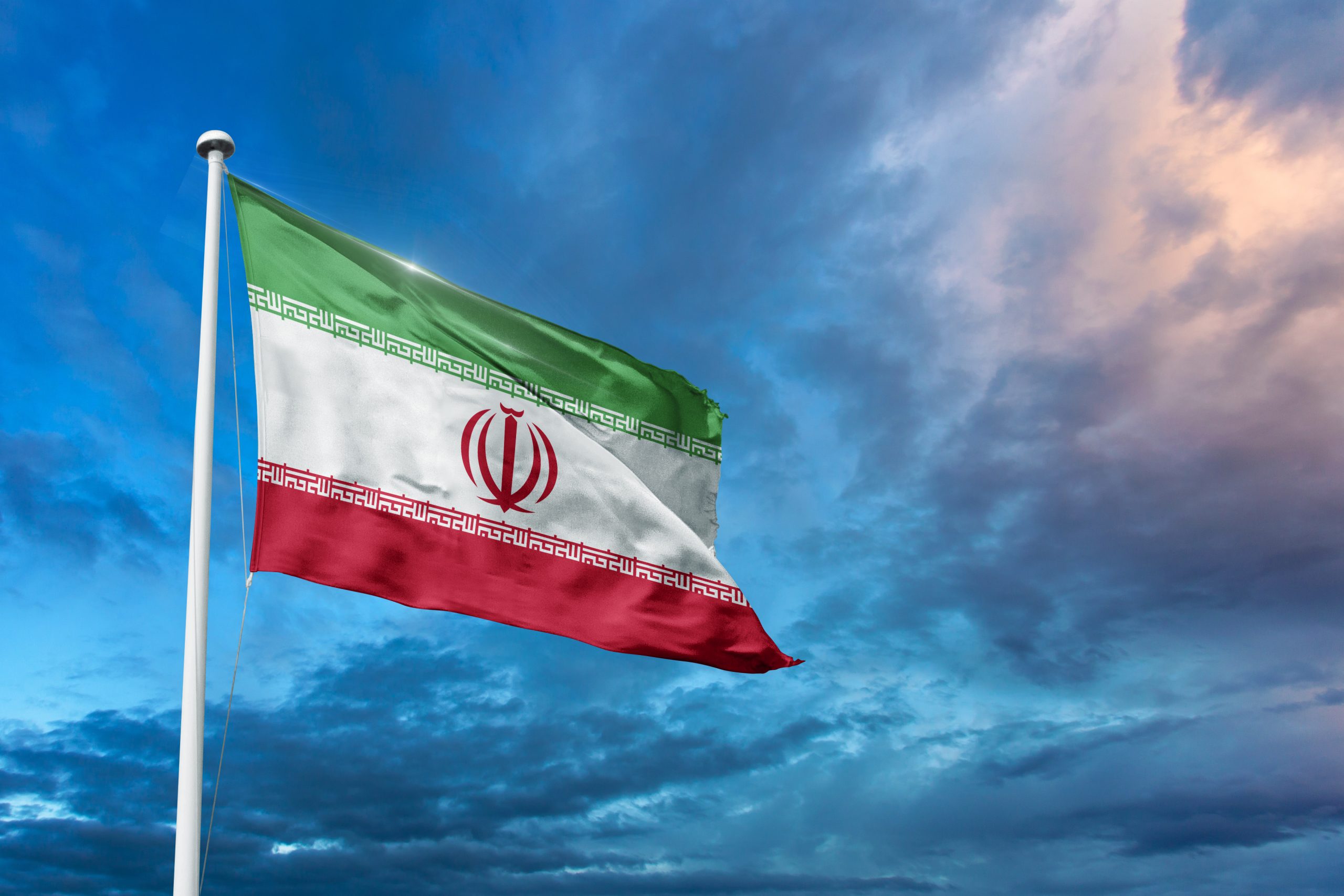
The United States has reiterated that diplomatic communications with Iran are ongoing, even as Iran publicly rebuffed an outreach from former President Donald Trump. The latest developments reflect persistent geopolitical tension in the Middle East, with potential ramifications for global markets, including energy pricing, regional trade, and investor sentiment. Analysts emphasize that while progress remains uncertain, the continuation of dialogue signals an intent to mitigate risks through diplomacy rather than confrontation.
Diplomatic Dynamics and US Strategy
US officials have confirmed that engagement with Iranian counterparts continues through established diplomatic channels, despite Tehran’s rejection of Trump’s personal overtures. The US government frames these efforts as part of a broader strategy to maintain stability in the region, emphasizing ongoing negotiations over nuclear compliance, sanctions relief, and security commitments. Market observers note that the insistence on sustained dialogue serves to reassure investors and energy markets, given Iran’s central role in global oil supply chains.
Tehran’s rejection, however, highlights enduring political and ideological divides. Analysts suggest that while the rebuff complicates immediate breakthroughs, it does not necessarily close off avenues for future negotiation. Investors monitoring the Middle East see this dynamic as a factor in assessing potential volatility in oil and gas markets, with prices likely sensitive to both rhetoric and concrete developments in US-Iran relations.
Market Implications and Investor Sentiment
The geopolitical uncertainty surrounding US-Iran relations has implications for global risk appetite. Energy markets, particularly crude oil and liquefied natural gas, have responded to previous announcements of diplomatic developments with price swings exceeding 1–2%. Regional equities and multinational companies with exposure to Middle Eastern operations are similarly attentive, factoring in potential disruptions to supply chains or regulatory adjustments.
Financial analysts emphasize that even statements of ongoing dialogue can mitigate extreme market reactions, as they signal a preference for negotiation over escalation. Currency markets, particularly the US dollar and regional Middle Eastern currencies, also tend to reflect shifts in geopolitical risk perception. In Israel, institutional investors and energy-sector companies are closely watching developments, given their exposure to oil price volatility and regional trade routes.
Strategic Outlook and Risks Ahead
Looking forward, market participants will track several key indicators: public statements from US and Iranian officials, potential shifts in nuclear compliance discussions, and regional security events. Risks include sudden escalation of hostilities, sanctions enforcement changes, or disruptions in global energy supply. Conversely, progress in diplomatic engagement could ease uncertainty, stabilize energy prices, and enhance investor confidence.
Investors and policymakers alike are monitoring these developments for signals on how geopolitical tensions could affect broader macroeconomic trends, market volatility, and regional investment opportunities. Maintaining situational awareness and flexibility in response strategies remains critical as the situation evolves.
Comparison, examination, and analysis between investment houses
Leave your details, and an expert from our team will get back to you as soon as possible
* This article, in whole or in part, does not contain any promise of investment returns, nor does it constitute professional advice to make investments in any particular field.
To read more about the full disclaimer, click here
- Lior mor
- •
- 7 Min Read
- •
- ago 1 day
SKN | Rising Costs of Conflict Push Washington to Explore Diplomacy With Iran
Geopolitical tensions between the United States and Iran may be entering a new phase as officials signal the possibility of
- ago 1 day
- •
- 7 Min Read

Geopolitical tensions between the United States and Iran may be entering a new phase as officials signal the possibility of
- Lior mor
- •
- 6 Min Read
- •
- ago 3 days
SKN | Trump and Iran Exchange War Threats as Strait of Hormuz Tensions Escalate
Tensions between the United States and Iran intensified this week as both parties issued explicit war warnings concerning the Strait
- ago 3 days
- •
- 6 Min Read
Tensions between the United States and Iran intensified this week as both parties issued explicit war warnings concerning the Strait

- sagi habasov
- •
- 7 Min Read
- •
- ago 3 days
SKN | Could Deploying ICE Agents to Airports Escalate the U.S. Political Standoff?
The U.S. political deadlock over Department of Homeland Security funding has taken a dramatic turn, as President Donald Trump
- ago 3 days
- •
- 7 Min Read

The U.S. political deadlock over Department of Homeland Security funding has taken a dramatic turn, as President Donald Trump
- Lior mor
- •
- 8 Min Read
- •
- ago 1 week
SKN | Oil Prices Jump Above $100 as Middle East Conflict Escalates, Raising Global Supply Fears
Global markets are shifting rapidly as the escalating Middle East conflict pushes oil prices above $100 per barrel and raises
- ago 1 week
- •
- 8 Min Read

Global markets are shifting rapidly as the escalating Middle East conflict pushes oil prices above $100 per barrel and raises

