


- orshu
- •
- 6 Min Read
- •
- 17 seconds ago
Key Points
- US Dollar Index edged lower during the session, reflecting modest weakness.
- Intraday volatility remained contained, with the index trading within a narrow range.
- Macro expectations around interest rates continue to drive currency direction.
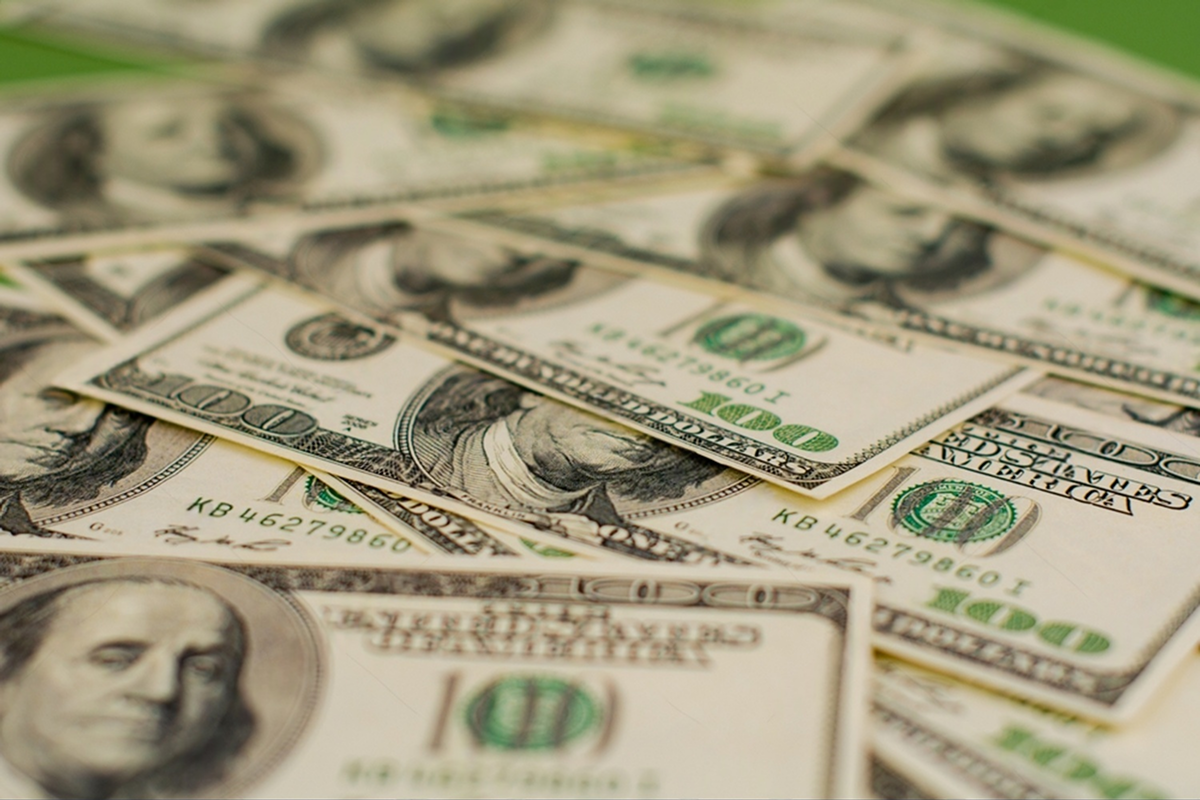
The US Dollar Index (DXY) traded slightly lower on April 15, hovering around 98.08 as markets assessed evolving expectations for monetary policy and global economic conditions. The muted movement highlights a balanced currency environment, where investors are weighing both domestic and international factors.
Range-Bound Trading Reflects Market Uncertainty
During the session, the dollar index moved within a relatively tight range between 98.00 and 98.29, indicating limited directional conviction. The index opened at 98.07 and remained close to its previous close of 98.12, suggesting that traders are adopting a cautious stance.
This range-bound behavior often reflects a market waiting for clearer signals, particularly regarding central bank policy and macroeconomic data. Without strong catalysts, currencies tend to consolidate as participants reassess positioning.
Despite the slight decline, the dollar remains within its broader 52-week range of 95.55 to 101.98, indicating that the current movement is part of a wider consolidation phase rather than a significant trend shift.
Interest Rate Expectations Drive Currency Movements
The direction of the US dollar continues to be heavily influenced by expectations surrounding Federal Reserve policy. Investors are closely monitoring inflation trends, employment data, and economic growth indicators to gauge the likelihood of future rate adjustments.
A softer dollar can signal expectations of a more accommodative monetary stance, while stability suggests that markets are still uncertain about the timing and magnitude of policy changes. The current environment reflects a delicate balance between inflation concerns and growth outlook.
Additionally, global central bank actions play a role in shaping currency dynamics. Diverging monetary policies between the United States and other major economies can create shifts in capital flows, influencing the dollar’s relative strength.
Implications for Global Markets and Risk Sentiment
Movements in the US dollar have broad implications across asset classes. A weaker dollar can support equities, commodities, and emerging markets, as it reduces currency pressure and enhances global liquidity conditions.
For equity markets, particularly in technology-heavy indices, a softer dollar often aligns with improved risk sentiment. Conversely, a stronger dollar can tighten financial conditions and weigh on global growth prospects.
In Israel and other export-driven economies, currency fluctuations play a critical role in shaping trade competitiveness and capital inflows. As such, the dollar’s trajectory remains a key variable for both institutional and retail investors.
The relatively low volatility observed during the session suggests that markets are not pricing in immediate shocks, but rather positioning for gradual shifts based on incoming data.
Looking ahead, investors will focus on upcoming economic releases, Federal Reserve communications, and global geopolitical developments as key drivers of currency movement. The dollar’s ability to hold near current levels or break out of its recent range will depend on how these factors evolve. While the current environment reflects stability, potential shifts in policy expectations or macro conditions could introduce renewed volatility, making the US dollar a central focus for global financial markets in the sessions ahead.
Comparison, examination, and analysis between investment houses
Leave your details, and an expert from our team will get back to you as soon as possible
* This article, in whole or in part, does not contain any promise of investment returns, nor does it constitute professional advice to make investments in any particular field.
To read more about the full disclaimer, click here
- orshu
- •
- 5 Min Read
- •
- ago 2 days
SKN | US Dollar Holds Firm Near Key Levels—Is a Breakout or Reversal Next for Global Markets?
The US Dollar Index (DXY) is trading slightly higher on April 13, hovering near the 98.78 level as markets
- ago 2 days
- •
- 5 Min Read

The US Dollar Index (DXY) is trading slightly higher on April 13, hovering near the 98.78 level as markets

- Ronny Mor
- •
- 7 Min Read
- •
- ago 2 days
SKN | The Shekel-Dollar Equation: Geopolitical Risk Premiums vs. Inflationary Gaps
The Economic Mechanism of Global and Local Dollar Strengthening The strengthening of the Dollar against the Shekel toward the 3.06
- ago 2 days
- •
- 7 Min Read

The Economic Mechanism of Global and Local Dollar Strengthening The strengthening of the Dollar against the Shekel toward the 3.06

- sagi habasov
- •
- 6 Min Read
- •
- ago 1 week
SKN | Japan Approves Record €664 Billion Budget: Stimulus Boost or Rising Fiscal Risk?
Japan has enacted its largest state budget in history, totaling approximately €664 billion, underscoring the government’s commitment to economic
- ago 1 week
- •
- 6 Min Read

Japan has enacted its largest state budget in history, totaling approximately €664 billion, underscoring the government’s commitment to economic

- omer bar
- •
- 9 Min Read
- •
- ago 1 week
SKN | Japan 10-Year Yield Hits 1997 High—Is the BOJ Finally Forced Into Aggressive Tightening?
Japan’s government bond market is sending a clear signal: the era of ultra-loose monetary policy may be nearing a decisive
- ago 1 week
- •
- 9 Min Read

Japan’s government bond market is sending a clear signal: the era of ultra-loose monetary policy may be nearing a decisive

