





- Lior mor
- •
- 7 Min Read
- •
- 2 months ago
Key Points
- UK shop price inflation accelerated to 1.2% in May as rising energy and shipping costs pressured retailers.
- Furniture, health, and beauty products recorded some of the strongest price increases across the sector.
- Retailers are urging the UK government to reduce taxes and energy-related costs to prevent further inflation.

Britain’s retail sector is facing renewed inflationary pressure as rising energy costs linked to the Middle East conflict begin filtering deeper into consumer prices. According to the latest British Retail Consortium survey, annual shop price inflation accelerated to 1.2% in May from 1.0% in April, reinforcing concerns that the recent energy shock may reverse progress made in stabilizing UK inflation over recent months.
Energy Costs and Supply Disruptions Push Retail Prices Higher
The latest increase in shop price inflation reflects the growing impact of higher transportation, raw material, and energy costs across the British economy. Retailers have been struggling to absorb rising operational expenses as instability in the Middle East continues disrupting global energy markets and shipping routes.
Among the categories experiencing the sharpest increases were furniture, health, and beauty products, sectors heavily exposed to import costs and supply-chain pressures. Retailers cited higher raw material prices and increased freight expenses as key drivers behind the latest pricing adjustments.
Although overall inflation accelerated, food price inflation showed some moderation, easing to 2.7% from 3.1% in April — its lowest level in a year. The decline provided some relief for households already coping with elevated living costs, though broader inflation risks remain significant.
The latest figures suggest the inflationary impact of higher energy prices is increasingly spreading beyond fuel markets into consumer-facing sectors, potentially complicating efforts by policymakers to stabilize household spending power.
Retailers Pressure Government for Cost Relief Measures
The British Retail Consortium used the latest data release to intensify pressure on the UK government, arguing that policymakers must do more to prevent rising costs from further feeding into inflation.
BRC Chief Executive Helen Dickinson said non-commodity charges, taxes, and levies now account for more than two-thirds of business energy bills, placing additional strain on retailers already operating in a challenging economic environment.
Retailers are also calling for reductions in regulatory burdens and administrative costs, warning that continued pressure on margins may eventually force businesses to pass even more expenses directly onto consumers.
The government has increasingly come under scrutiny over its approach to inflation management. Earlier this month, officials reportedly explored the possibility of encouraging or pressuring supermarkets to limit price increases, including discussions surrounding temporary price caps on certain goods.
However, many industry leaders argue that structural costs — particularly energy and taxation — remain the real drivers behind persistent price increases rather than retailer pricing strategies themselves.
Inflation Outlook Remains a Key Risk for the UK Economy
The acceleration in shop price inflation arrives despite broader UK consumer inflation falling to 2.8% in April. Economists, however, increasingly expect inflation to rebound toward 4% later this year as higher energy costs continue feeding through the economy.
For the Bank of England, the renewed inflation pressure creates an increasingly difficult policy environment. While economic growth has weakened and consumer confidence remains fragile, elevated energy prices risk forcing policymakers to maintain tighter monetary conditions for longer than markets had anticipated earlier this year.
Investor sentiment toward the UK economy also remains highly sensitive to inflation trends, particularly as rising borrowing costs and political uncertainty continue weighing on household finances and business investment.
Looking ahead, markets will closely monitor future inflation data, government responses to retailer concerns, and developments in global energy markets. Any sustained rise in oil and shipping costs could further intensify pressure on British consumers, retailers, and policymakers over the coming months.
Comparison, examination, and analysis between investment houses
Leave your details, and an expert from our team will get back to you as soon as possible
* This article, in whole or in part, does not contain any promise of investment returns, nor does it constitute professional advice to make investments in any particular field.
To read more about the full disclaimer, click here
- omer bar
- •
- 8 Min Read
- •
- ago 4 hours
SKN | Costco Strengthens Competitive Edge With In-House Delivery Network for Large Purchases
Costco Wholesale is strengthening its competitive position in the home goods and appliance market by controlling one of retail's most
- ago 4 hours
- •
- 8 Min Read
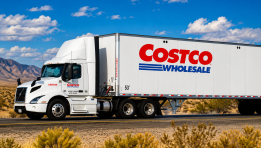
Costco Wholesale is strengthening its competitive position in the home goods and appliance market by controlling one of retail's most
- omer bar
- •
- 9 Min Read
- •
- ago 1 day
SKN | Does the Recent Pullback in Technogym’s Valuation Present a Strategic Entry Point? UBS Upgrades to ‘Buy’
In an era where global supply chains continue to test multinational corporations, equity pricing often reflects fleeting investor sentiment rather
- ago 1 day
- •
- 9 Min Read

In an era where global supply chains continue to test multinational corporations, equity pricing often reflects fleeting investor sentiment rather

- Ronny Mor
- •
- 9 Min Read
- •
- ago 1 month
SKN | Nike Earnings Preview: Investors Watch for Signs of Turnaround Under CEO Elliott Hill
Nike is set to report its fiscal fourth-quarter earnings after the closing bell on Tuesday, with investors looking for evidence
- ago 1 month
- •
- 9 Min Read
Nike is set to report its fiscal fourth-quarter earnings after the closing bell on Tuesday, with investors looking for evidence
- Ronny Mor
- •
- 6 Min Read
- •
- ago 5 months
SKN | Could Used EVs Become the Most Affordable Option for American Car Buyers?
Rising inflation, elevated interest rates, and surging fuel costs are reshaping the economics of car ownership in the United States.
- ago 5 months
- •
- 6 Min Read
Rising inflation, elevated interest rates, and surging fuel costs are reshaping the economics of car ownership in the United States.


