





- Ronny Mor
- •
- 6 Min Read
- •
- 5 months ago
Key Points
- A surge of leased EVs returning to market could boost supply significantly.
- Used EV prices have dropped 35% since 2022, improving affordability.
- Rising fuel costs and interest rates are accelerating demand for cheaper alternatives.

Rising inflation, elevated interest rates, and surging fuel costs are reshaping the economics of car ownership in the United States. With new vehicle prices hovering near $50,000, affordability has become a major constraint for consumers. In this environment, a new opportunity is emerging: used electric vehicles (EVs), fueled by a wave of lease returns and rapidly declining prices, may offer a compelling alternative for cost-conscious buyers.
A Supply Wave Is About to Hit the Market
A major shift in supply dynamics is underway as hundreds of thousands of electric vehicles approach the end of their lease cycles. Many of these vehicles were originally purchased during the peak of federal incentives, including the $7,500 EV tax credit, making leasing particularly attractive at the time.
As these leases expire, a significant number of vehicles are expected to return to dealerships rather than being purchased by lessees. Analysts estimate that up to 500,000 EVs could re-enter the market in 2026, with even larger volumes anticipated in 2027. This influx is poised to reshape the used-car landscape by increasing availability and putting downward pressure on prices.
Falling Prices Create a New Affordability Window
Used EV prices have already dropped significantly, declining approximately 35% since 2022 to an average of around $34,600. This sharp correction contrasts with the broader used-car market, where prices have remained elevated due to persistent demand.
The price decline reflects both increased supply and rapid technological advancements, which tend to depreciate older EV models more quickly. For buyers, however, this creates an opportunity to access relatively modern vehicles with strong range and updated features at a fraction of new-car costs.
Lower Operating Costs Add to the Appeal
Beyond purchase price, EVs offer a structural cost advantage through lower fuel and maintenance expenses. As gasoline prices climb, the economic case for switching to electric becomes stronger, particularly for consumers with predictable commuting patterns.
Industries such as airlines and logistics are already feeling the pressure of rising fuel costs, and similar dynamics are affecting household budgets. Used EVs provide a hedge against this volatility, offering more predictable long-term ownership costs.
Market Adoption Is Already Accelerating
Consumer adoption trends suggest that demand is already responding to these shifts. Used EV sales in the U.S. have risen sharply, increasing nearly 29% year over year. Major players such as Tesla, Ford, BMW, and Hyundai are all seeing strong representation in the secondary market.
At the same time, the share of EVs in lease returns is growing rapidly, indicating that the used EV segment is transitioning from niche to mainstream.
Forward Outlook: A Structural Shift in Car Affordability
The convergence of rising supply, falling prices, and increasing fuel costs suggests that used EVs could become a cornerstone of affordable transportation in the coming years. However, challenges remain, including battery longevity concerns, charging infrastructure limitations, and evolving resale values. If these issues are addressed, the used EV market may not only close the affordability gap but also accelerate the broader transition toward electrification. For now, it represents one of the clearest intersections between economic necessity and technological change in the automotive sector.
Comparison, examination, and analysis between investment houses
Leave your details, and an expert from our team will get back to you as soon as possible
* This article, in whole or in part, does not contain any promise of investment returns, nor does it constitute professional advice to make investments in any particular field.
To read more about the full disclaimer, click here
- omer bar
- •
- 8 Min Read
- •
- ago 5 hours
SKN | Costco Strengthens Competitive Edge With In-House Delivery Network for Large Purchases
Costco Wholesale is strengthening its competitive position in the home goods and appliance market by controlling one of retail's most
- ago 5 hours
- •
- 8 Min Read
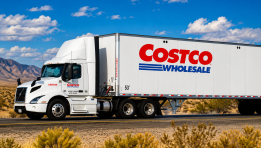
Costco Wholesale is strengthening its competitive position in the home goods and appliance market by controlling one of retail's most
- omer bar
- •
- 9 Min Read
- •
- ago 1 day
SKN | Does the Recent Pullback in Technogym’s Valuation Present a Strategic Entry Point? UBS Upgrades to ‘Buy’
In an era where global supply chains continue to test multinational corporations, equity pricing often reflects fleeting investor sentiment rather
- ago 1 day
- •
- 9 Min Read

In an era where global supply chains continue to test multinational corporations, equity pricing often reflects fleeting investor sentiment rather

- Ronny Mor
- •
- 9 Min Read
- •
- ago 1 month
SKN | Nike Earnings Preview: Investors Watch for Signs of Turnaround Under CEO Elliott Hill
Nike is set to report its fiscal fourth-quarter earnings after the closing bell on Tuesday, with investors looking for evidence
- ago 1 month
- •
- 9 Min Read
Nike is set to report its fiscal fourth-quarter earnings after the closing bell on Tuesday, with investors looking for evidence

- Lior mor
- •
- 7 Min Read
- •
- ago 2 months
SKN | UK Shop Price Inflation Accelerates Again as Energy Shock Pressures Retail Sector
Britain’s retail sector is facing renewed inflationary pressure as rising energy costs linked to the Middle East conflict begin
- ago 2 months
- •
- 7 Min Read
Britain’s retail sector is facing renewed inflationary pressure as rising energy costs linked to the Middle East conflict begin


