





- orshu
- •
- 6 Min Read
- •
- 6 hours ago
Key Points
- The Nasdaq dropped 1.47% as investors took profits in technology and artificial intelligence stocks following recent record highs.
- Defensive sectors helped stabilize the broader market, while the U.S. dollar strengthened amid a more cautious trading environment.
- Investors now shift their attention to Friday's earnings releases, economic data, and whether buyers return to growth stocks.
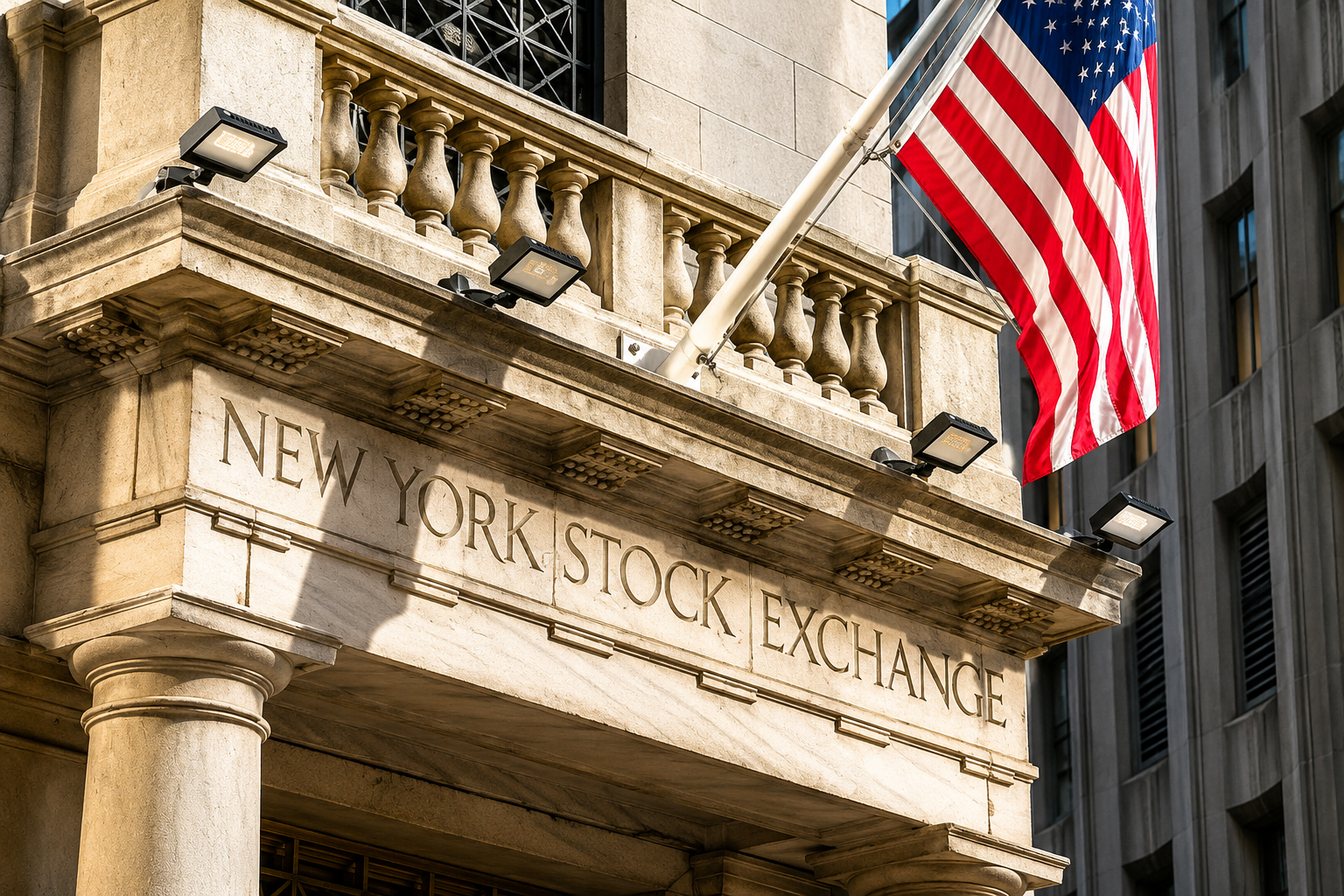
Wall Street experienced a noticeable change in momentum on Thursday, July 16, 2026, as technology shares retreated after leading the market’s record-setting rally over the past several weeks. Investors locked in profits across high-growth sectors while rotating into more defensive industries ahead of additional corporate earnings and fresh economic data. Although selling pressure was concentrated in technology, the broader market showed resilience, suggesting confidence in the overall economic outlook remains intact.
Technology Sector Leads the Decline
The Nasdaq Composite posted the session’s largest loss, falling 1.47% to close at 25,881.95. Semiconductor companies, artificial intelligence leaders, and other high-growth technology stocks accounted for much of the decline as investors trimmed positions following an extended rally.
The broader market proved more resilient. The S&P 500 finished at 7,572.40, holding near its record levels as gains in healthcare, utilities, and financial stocks offset weakness in technology. The Dow Jones Industrial Average remained steady at 52,658.64, supported by its diversified mix of blue-chip companies.
Small-cap stocks also showed relative stability. The Russell 2000 edged down just 0.06% to 2,974.57, indicating that selling pressure remained concentrated in large-cap growth names rather than spreading across the broader market.
Global Markets and Currency Performance
Markets across the Americas delivered mixed performances. Canada’s S&P/TSX Composite Index declined 0.21% to 35,340.15 as weakness in resource and mining stocks weighed on the benchmark.
Brazil’s IBOVESPA dropped 1.24% to 173,825.27, making it the weakest-performing major index in the region as investors reduced exposure to emerging markets amid a stronger U.S. dollar.
The U.S. Dollar Index rose 0.24% to 100.73, reversing part of its recent decline. The stronger dollar reflected increased demand for safe-haven assets as investors became more cautious following the sharp decline in technology stocks. Currency movements also influenced commodity prices and multinational companies with significant international operations.
Markets Shift Focus to Earnings and Economic Signals
Despite Thursday’s weakness in technology, investor sentiment remained broadly constructive. Market participants viewed much of the selling as healthy profit-taking rather than a sign of deteriorating economic conditions. The second-quarter earnings season continues to drive market direction, with investors closely monitoring corporate guidance on consumer demand, capital investment, artificial intelligence spending, and profit margins.
Economic data also remains a key focus as traders continue evaluating inflation trends and the potential timing of future Federal Reserve interest rate decisions. Stable Treasury yields suggest investors are waiting for additional information before making significant adjustments to portfolio positioning.
Market Outlook: What to Watch on Friday, July 17
Friday’s trading session will likely determine whether Thursday’s technology selloff was a brief pause or the beginning of a broader market rotation. Investors will closely monitor additional earnings reports from major companies, fresh economic indicators, Treasury yield movements, and activity within the technology sector. A return of buying interest in AI and semiconductor stocks could help stabilize the Nasdaq, while continued strength in defensive sectors may support the broader market. As earnings season accelerates, investors will be looking for strong corporate results and positive guidance to sustain the market’s longer-term upward trend despite near-term volatility.
Comparison, examination, and analysis between investment houses
Leave your details, and an expert from our team will get back to you as soon as possible
* This article, in whole or in part, does not contain any promise of investment returns, nor does it constitute professional advice to make investments in any particular field.
To read more about the full disclaimer, click here
- Lior mor
- •
- 6 Min Read
- •
- ago 9 hours
SKN | Why Did the S&P 500 Fall Despite Strong Earnings and Healthy Economic Data?
U.S. equities traded lower on Thursday as renewed weakness in semiconductor stocks overshadowed another strong batch of corporate earnings and
- ago 9 hours
- •
- 6 Min Read

U.S. equities traded lower on Thursday as renewed weakness in semiconductor stocks overshadowed another strong batch of corporate earnings and

- orshu
- •
- 6 Min Read
- •
- ago 11 hours
SKN | European Markets End Mixed as Investors Balance Economic Signals and Currency Moves
European equity markets closed the July 16 session with a mixed performance as investors evaluated economic conditions, corporate developments,
- ago 11 hours
- •
- 6 Min Read

European equity markets closed the July 16 session with a mixed performance as investors evaluated economic conditions, corporate developments,
- orshu
- •
- 8 Min Read
- •
- ago 11 hours
SKN | Tel Aviv Stocks Retreat as TA-125 Extends Pullback While Bond Market Remains Relatively Stable
Israeli equities closed lower on Thursday, July 16, as investors adopted a more cautious stance following recent market fluctuations. Selling
- ago 11 hours
- •
- 8 Min Read

Israeli equities closed lower on Thursday, July 16, as investors adopted a more cautious stance following recent market fluctuations. Selling
- orshu
- •
- 6 Min Read
- •
- ago 14 hours
SKN | U.S. Markets Show Mixed Performance as Investors Balance Technology Pressure and Economic Resilience
U.S. equity markets traded with mixed momentum on July 16 as investors balanced strength in economically sensitive sectors against
- ago 14 hours
- •
- 6 Min Read

U.S. equity markets traded with mixed momentum on July 16 as investors balanced strength in economically sensitive sectors against


