


- sagi habasov
- •
- 6 Min Read
- •
- 15 seconds ago
Key Points
- Dow, S&P 500, and Nasdaq futures show mixed signals as markets anticipate a key Trump administration deadline regarding the Iran nuclear agreement.
- Investors are weighing geopolitical risks against ongoing economic indicators, including earnings reports and interest rate expectations.
- Market volatility remains elevated as traders assess potential disruptions to global trade and energy supply.

U.S. stock futures traded in mixed territory as the market braces for a critical Trump administration deadline related to the Iran nuclear deal. Investors are navigating the intersection of geopolitics and economic fundamentals, with the potential for diplomatic developments in the Middle East influencing risk sentiment across equity markets. The combination of political uncertainty and ongoing macroeconomic data releases is contributing to cautious trading ahead of the open.
Futures Performance and Market Reaction
Dow Jones Industrial Average futures edged slightly lower, while S&P 500 and Nasdaq 100 contracts showed modest gains, reflecting investor uncertainty about near-term geopolitical developments. Analysts note that such divergence in futures movements often signals a wait-and-see approach, with traders hesitant to commit capital ahead of potential policy announcements. Equity markets have historically reacted sharply to shifts in U.S.-Iran relations, particularly when sanctions, nuclear activity, or energy supply disruptions are at stake.
Trading volumes remain moderate in pre-market sessions, with large institutional investors positioning for possible volatility. Energy-sensitive sectors, including oil, natural gas, and industrials, are particularly under scrutiny, as any escalation in tensions could impact supply chains and commodity prices. Additionally, technology and consumer discretionary sectors appear relatively resilient, highlighting investor focus on earnings potential despite macro risks.
Geopolitical Context and Strategic Implications
The approaching Trump deadline on the Iran deal has heightened market sensitivity to geopolitical risk. A delayed or modified agreement could affect global energy markets, particularly crude oil supply, and influence U.S. foreign policy decisions in the region. Market strategists emphasize that political developments in the Middle East can translate directly into price volatility across energy, transportation, and defense-related equities.
Moreover, the situation underscores the interconnectedness of global capital markets. International investors, including those in Israel, monitor U.S. policy shifts closely, as they can reverberate through currency markets, commodity flows, and multinational company performance. This alignment of geopolitical and financial variables is contributing to the cautious tone observed in futures trading.
Economic Indicators and Market Outlook
Beyond geopolitical developments, U.S. economic indicators—including inflation data, interest rate expectations, and corporate earnings reports—remain critical drivers for investor sentiment. Analysts suggest that even moderate deviations from forecasts could amplify market reactions, particularly in sectors highly sensitive to borrowing costs and global demand.
Looking ahead, traders will closely monitor announcements from the Trump administration regarding the Iran deal, alongside updates from the Federal Reserve and quarterly earnings releases. Investors may adjust positions based on perceived risk to trade flows, energy pricing, and overall equity valuations. While markets remain inherently uncertain, observing the interplay between geopolitical events and economic data will be crucial for assessing near-term volatility and potential investment opportunities.
Comparison, examination, and analysis between investment houses
Leave your details, and an expert from our team will get back to you as soon as possible
* This article, in whole or in part, does not contain any promise of investment returns, nor does it constitute professional advice to make investments in any particular field.
To read more about the full disclaimer, click here
- sagi habasov
- •
- 6 Min Read
- •
- ago 5 days
SKN | US Treasury to Engage with Insurance Regulators on Private Credit Market Oversight
The US Treasury Department has scheduled meetings with insurance regulators to evaluate the growing private credit sector, which has expanded
- ago 5 days
- •
- 6 Min Read
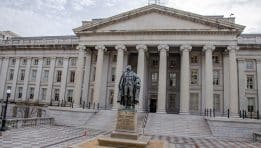
The US Treasury Department has scheduled meetings with insurance regulators to evaluate the growing private credit sector, which has expanded
- sagi habasov
- •
- 7 Min Read
- •
- ago 5 days
SKN | Are Global Stock Markets Closed for Good Friday and Easter Monday? What Investors Need to Know
Global financial markets periodically pause trading for religious and national holidays, and the Easter period is among the most widely
- ago 5 days
- •
- 7 Min Read

Global financial markets periodically pause trading for religious and national holidays, and the Easter period is among the most widely

- Ronny Mor
- •
- 9 Min Read
- •
- ago 7 days
SKN | Can GalaxySpace’s IPO Mark a Turning Point in China’s Race to Challenge Starlink?
China’s private space industry is entering a new phase of capital market integration, as satellite manufacturer GalaxySpace begins the formal
- ago 7 days
- •
- 9 Min Read

China’s private space industry is entering a new phase of capital market integration, as satellite manufacturer GalaxySpace begins the formal
- sagi habasov
- •
- 8 Min Read
- •
- ago 2 weeks
SKN | From Capital Accumulation to Capital Structuring: Why $1M Is No Longer a Strategy
Opening Perspective: When Growth Is No Longer the Core Question For years, the dominant narrative in personal finance was straightforward:
- ago 2 weeks
- •
- 8 Min Read

Opening Perspective: When Growth Is No Longer the Core Question For years, the dominant narrative in personal finance was straightforward:

