


- omer bar
- •
- 5 Min Read
- •
- 2 minutes ago
Key Points
- Investment giants PIMCO and Franklin Templeton assess that the energy price surge resulting from the Hormuz Strait closure necessitates a Fed re-evaluation toward monetary tightening (rate hikes).
- The Fed’s preferred inflation gauge (PCE) reached 3.5% in March, a three-year high, increasing pressure on policymakers to address supply-driven inflation despite geopolitical uncertainty.
- The bond market has already priced in this pivot; the 2-year Treasury yield jumped 0.5% since the start of the conflict (to 3.87%), effectively erasing previous 2026 rate-cut expectations.
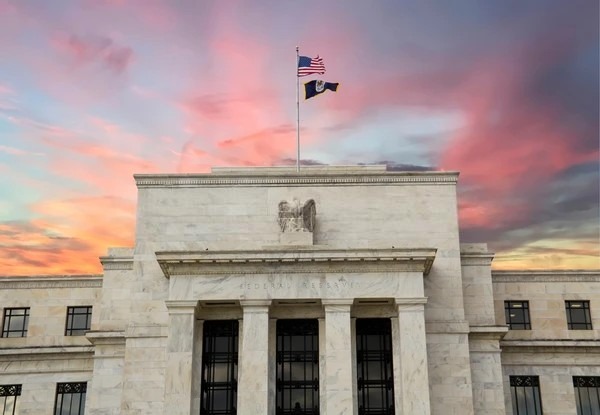
Economic Framework: Inflation Dynamics Under Supply Shocks
Institutional analysis for 2026 highlights the collision between monetary stability goals and the reality of cost-push inflation. The oil price spike resulting from the Iran conflict is not merely a geopolitical event but a mechanism generating “sticky” inflation that threatens the 2% target. According to PIMCO’s Dan Ivascyn, central bank responses must be measured yet firm, with monetary tightening becoming a viable option to prevent a global price spiral, particularly in Europe and Japan.
Interest Rate Mechanics and Bond Market Impact
The disruption in the Strait of Hormuz has dramatically altered market expectations. While the consensus at the beginning of the year anticipated a series of rate cuts, current dynamics have inverted this outlook. The rise in short-term bond yields reflects an understanding among institutional investors that cutting rates under these conditions would be “useless” and potentially dangerous to price stability. The Fed’s independence faces a trial with the upcoming appointment of Kevin Warsh as Chairman, as markets expect him to maintain a professional line against political pressures for monetary easing.
Implications for Balance Sheet Management and Global Capital Flows
Jenny Johnson of Franklin Templeton emphasizes that controlling inflation during wartime is a complex challenge that narrows the Fed’s maneuvering room. A “Higher for Longer” scenario is becoming the baseline, weighing on global financing costs and the cash flows of capital-intensive firms. The PCE rise to 3.5% provides the statistical foundation for continued restrictive policy, even if it triggers a short-term economic slowdown.
Forward-Looking
Investors should monitor the communication style of incoming Chairman Kevin Warsh as a primary indicator of shifts in monetary tone. The primary risk lies in further escalation that could stabilize energy prices at levels requiring more aggressive rate hikes than currently anticipated. Investors must evaluate real interest rates and the resilience of the U.S. labor market, as these will determine whether the Fed can tighten policy without triggering a global hard landing.
Comparison, examination, and analysis between investment houses
Leave your details, and an expert from our team will get back to you as soon as possible
* This article, in whole or in part, does not contain any promise of investment returns, nor does it constitute professional advice to make investments in any particular field.
To read more about the full disclaimer, click here
- Ronny Mor
- •
- 7 Min Read
- •
- ago 10 hours
SKN | China Producer Inflation Surges to 45-Month High, Signaling Renewed Price Pressures in Manufacturing
China’s producer price inflation accelerated in April to its highest level in nearly four years, underscoring a renewed rise in
- ago 10 hours
- •
- 7 Min Read

China’s producer price inflation accelerated in April to its highest level in nearly four years, underscoring a renewed rise in

- Lior mor
- •
- 8 Min Read
- •
- ago 12 hours
SKN | Australia Introduces One-Year Grace Period on Housing and Investment Tax Changes, AFR Reports
Australia is preparing to introduce a one-year grace period for upcoming changes to housing and investment taxation, according to reporting
- ago 12 hours
- •
- 8 Min Read

Australia is preparing to introduce a one-year grace period for upcoming changes to housing and investment taxation, according to reporting
- Lior mor
- •
- 7 Min Read
- •
- ago 5 days
SKN | Can New Zealand Sustain Its Recovery as Structural Risks Weigh on Growth Outlook?
The OECD has warned that New Zealand’s economic recovery remains fragile, highlighting persistent vulnerabilities linked to energy costs, demographic ageing,
- ago 5 days
- •
- 7 Min Read

The OECD has warned that New Zealand’s economic recovery remains fragile, highlighting persistent vulnerabilities linked to energy costs, demographic ageing,

- omer bar
- •
- 5 Min Read
- •
- ago 5 days
SKN | The Iran Pivot: How Geopolitical De-escalation Alters Energy and Currency Benchmarks
Economic Framework: Market Dynamics Under Diplomatic Rapprochement The violent market reaction on May 6, 2026, reflects a sudden shift in
- ago 5 days
- •
- 5 Min Read

Economic Framework: Market Dynamics Under Diplomatic Rapprochement The violent market reaction on May 6, 2026, reflects a sudden shift in

