


- Ronny Mor
- •
- 7 Min Read
- •
- 16 seconds ago
Key Points
- China’s producer price inflation rose to a 45-month high in April, indicating stronger upstream cost pressures
- The increase reflects improving industrial demand but also persistent supply-side imbalances
- Markets are assessing implications for global trade flows, margins, and deflation risks in export markets
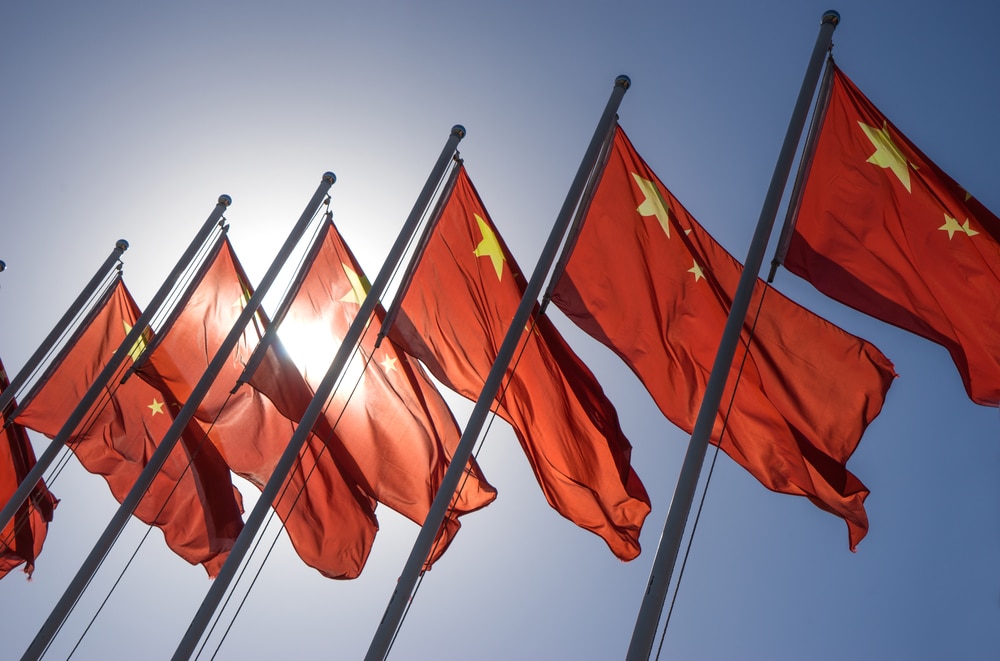
China’s producer price inflation accelerated in April to its highest level in nearly four years, underscoring a renewed rise in upstream cost pressures across the world’s second-largest economy. The data arrives at a sensitive moment for global markets, where growth expectations remain uneven and trade dynamics are still adjusting to shifting demand patterns and industrial cycles. For investors, the reading adds complexity to the global inflation narrative, particularly within manufacturing and commodities-linked sectors.
Factory-Gate Prices Signal Strengthening Industrial Activity
The sharp rise in producer prices suggests that factory-gate inflation is beginning to reflect firmer industrial activity in China. Producer Price Index (PPI) readings are often viewed as an early indicator of supply-side pressure before they filter into consumer prices. The latest increase implies that demand conditions in parts of the industrial sector may be stabilizing after a prolonged period of weak pricing power.
However, the improvement in headline figures does not necessarily indicate broad-based strength. In previous cycles, similar spikes in producer inflation have been driven by commodity price rebounds or temporary supply constraints rather than sustained demand expansion. As a result, economists are closely analyzing whether the current move reflects cyclical recovery or structural volatility in input costs.
Global Supply Chains Face Mixed Implications
China’s producer inflation data carries significant implications for global supply chains, given the country’s central role in manufacturing and export pricing. Higher factory-gate prices can gradually feed into international trade flows, particularly in sectors such as electronics, machinery, and industrial components.
For global importers, including Israeli technology manufacturers and export-oriented firms integrated into Asian supply chains, rising Chinese production costs may eventually translate into higher intermediate goods prices. However, the extent of transmission depends on competitive dynamics, currency movements, and the ability of producers to absorb margin pressure.
At the same time, stronger producer inflation in China can reduce concerns over global deflationary pressures, which have been a recurring theme in markets during periods of weak demand. A gradual normalization in pricing power may signal more balanced global industrial conditions, although volatility remains elevated.
Commodity Markets and Inflation Expectations Reassessed
Commodity-linked markets are also closely monitoring China’s inflation trajectory, given the country’s outsized influence on demand for industrial metals, energy inputs, and raw materials. A sustained rise in producer prices can indicate stronger upstream cost momentum, often reflected in higher demand for commodities such as copper, iron ore, and crude oil.
For global investors, the data feeds into broader inflation expectations, particularly in economies still sensitive to energy and manufacturing cost dynamics. Central banks may interpret persistent upstream inflation as a factor complicating the timing of potential monetary easing cycles, especially if cost pressures begin to transmit more broadly into consumer prices.
Currency markets may also react indirectly, as shifts in China’s price environment can influence trade balances and capital flow expectations across Asia and emerging markets.
Outlook: Sustainability of Price Momentum in Focus
Looking ahead, market attention will focus on whether China’s producer inflation continues to build or stabilizes in the coming months. Key variables include industrial demand strength, global trade conditions, and commodity price trends. Any sustained acceleration could reshape expectations around Asian manufacturing cycles and global supply chain pricing.
Risks include renewed weakness in external demand, which could reverse recent price gains, and continued structural pressure from overcapacity in certain industrial sectors. On the other hand, a gradual normalization in industrial pricing could support improved earnings visibility for commodity producers and global manufacturers.
Overall, China’s latest inflation reading highlights the delicate balance between recovery in industrial activity and persistent volatility in global production costs, with important implications for trade, inflation, and asset pricing dynamics worldwide.
Comparison, examination, and analysis between investment houses
Leave your details, and an expert from our team will get back to you as soon as possible
* This article, in whole or in part, does not contain any promise of investment returns, nor does it constitute professional advice to make investments in any particular field.
To read more about the full disclaimer, click here
- Lior mor
- •
- 8 Min Read
- •
- ago 3 hours
SKN | Australia Introduces One-Year Grace Period on Housing and Investment Tax Changes, AFR Reports
Australia is preparing to introduce a one-year grace period for upcoming changes to housing and investment taxation, according to reporting
- ago 3 hours
- •
- 8 Min Read

Australia is preparing to introduce a one-year grace period for upcoming changes to housing and investment taxation, according to reporting
- Lior mor
- •
- 7 Min Read
- •
- ago 4 days
SKN | Can New Zealand Sustain Its Recovery as Structural Risks Weigh on Growth Outlook?
The OECD has warned that New Zealand’s economic recovery remains fragile, highlighting persistent vulnerabilities linked to energy costs, demographic ageing,
- ago 4 days
- •
- 7 Min Read

The OECD has warned that New Zealand’s economic recovery remains fragile, highlighting persistent vulnerabilities linked to energy costs, demographic ageing,

- omer bar
- •
- 5 Min Read
- •
- ago 5 days
SKN | The Iran Pivot: How Geopolitical De-escalation Alters Energy and Currency Benchmarks
Economic Framework: Market Dynamics Under Diplomatic Rapprochement The violent market reaction on May 6, 2026, reflects a sudden shift in
- ago 5 days
- •
- 5 Min Read

Economic Framework: Market Dynamics Under Diplomatic Rapprochement The violent market reaction on May 6, 2026, reflects a sudden shift in

- Ronny Mor
- •
- 7 Min Read
- •
- ago 5 days
SKN | China Services Sector Accelerates in April as Private PMI Signals Stronger Economic Momentum
China’s services sector expanded at a faster pace in April, according to private purchasing managers’ index (PMI) data, signaling renewed
- ago 5 days
- •
- 7 Min Read

China’s services sector expanded at a faster pace in April, according to private purchasing managers’ index (PMI) data, signaling renewed

