





- Lior mor
- •
- 7 Min Read
- •
- 16 seconds ago


Key Points
- U.S. import bans on selected Canadian alcohol, dairy products and motorcycles took effect on September 29, escalating an already significant trade dispute between Washington and Ottawa.
- The measures affect approximately $1 billion of Canadian imports, a relatively small share of the roughly $880 billion in annual two-way U.S.-Canada trade, but their broader policy significance is considerably larger.
- The dispute increases uncertainty around USMCA trade relations, supply chains, currency markets and North American business investment, with further tariff measures potentially adding to the risk premium.
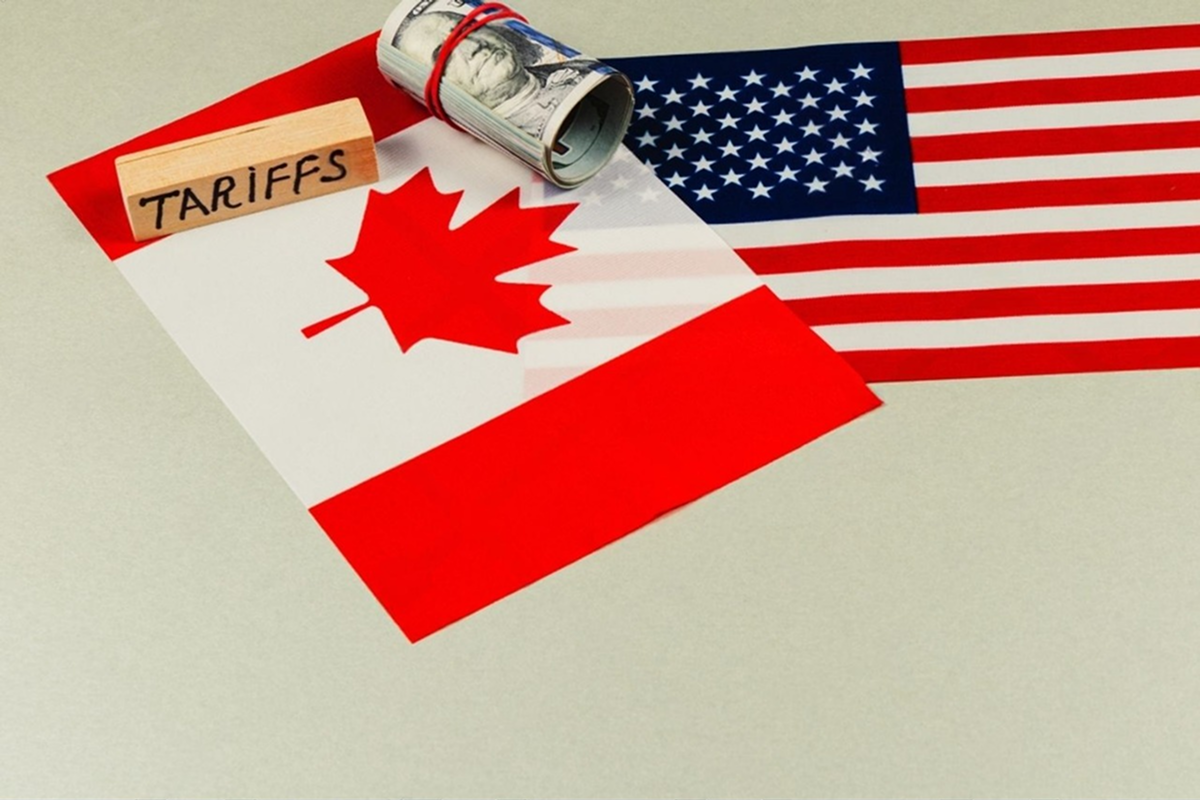
The United States on Tuesday implemented import bans covering selected Canadian alcoholic beverages, dairy products and motorcycles, marking another escalation in the trade dispute between the two North American economies. The measures come after Canada imposed retaliatory tariffs on approximately $20 billion of U.S. goods, while Washington had previously introduced 50% tariffs on a range of Canadian products.
Import Restrictions Move Beyond Conventional Tariffs
The new measures differ from traditional tariffs because they prevent covered products from entering the U.S. market rather than simply increasing their cost. The restrictions include a broad range of alcoholic beverages, selected dairy products and motorcycles, with the total value of affected Canadian imports estimated at nearly $1 billion. Alcohol represents the largest portion of the targeted trade, according to reporting by the Associated Press.
The White House has framed the action as a response to what the administration describes as discriminatory Canadian trade practices and retaliation against U.S. commerce. The administration’s September 8 proclamations stated that the measures were being implemented under Section 338 of the Tariff Act of 1930 and would apply regardless of whether the covered goods qualified for preferential treatment under the U.S.-Mexico-Canada Agreement.
Limited Direct Trade Value, Broader Economic Significance
In direct economic terms, the products covered by the ban represent a relatively small portion of bilateral commerce. The United States and Canada conduct approximately $880 billion in annual two-way trade, meaning the roughly $1 billion affected by the new restrictions is limited compared with the overall relationship. Nevertheless, the policy represents another step away from the relatively integrated North American trading framework that businesses have operated within for decades.
Canadian producers could face particularly difficult conditions in sectors where the United States represents an important export destination. Reuters reported that smaller Canadian alcohol producers are already confronting additional distribution challenges, while some larger companies may have greater flexibility to adjust production or bottling arrangements.
USMCA and North American Markets Remain in Focus
The more significant market issue may be the potential effect on the future of the USMCA and broader North American supply chains. Reuters reported last week that the Trump administration sees no immediate urgency to resolve the dispute, while Canada has discussed reducing its reliance on the United States by expanding trade relationships elsewhere.
For Israeli and global investors, the dispute is relevant beyond the directly affected Canadian industries. Prolonged trade restrictions could influence North American inflation, corporate margins, supply-chain decisions and currency volatility, while a broader deterioration in U.S.-Canada relations could increase the geopolitical risk premium embedded in regional assets.
Looking ahead, the key variable will be whether the new restrictions become a negotiating tool or develop into a longer-lasting trade barrier. Markets will be watching for changes in Canadian retaliation, additional U.S. tariffs, developments surrounding USMCA and any evidence of renewed negotiations. A negotiated easing of restrictions could reduce uncertainty for businesses and investors, while further escalation would increase the risk of higher trade costs, weaker cross-border investment and greater currency volatility. For asset allocators, the Canadian dispute therefore remains a policy risk to monitor alongside interest rates, fiscal conditions and the broader global trade environment.
Comparison, examination, and analysis between investment houses
Leave your details, and an expert from our team will get back to you as soon as possible
* This article, in whole or in part, does not contain any promise of investment returns, nor does it constitute professional advice to make investments in any particular field.
To read more about the full disclaimer, click here
- Ronny Mor
- •
- 6 Min Read
- •
- ago 5 minutes
SKN | Oil Prices Fall as Markets Reassess Middle East Supply Risks
Oil prices declined on September 29 as markets assessed signs of recovering crude exports from the Middle East against
- ago 5 minutes
- •
- 6 Min Read

Oil prices declined on September 29 as markets assessed signs of recovering crude exports from the Middle East against

- Arik Arkadi Sluzki
- •
- 6 Min Read
- •
- ago 18 minutes
SKN | Goldman Sachs Succession Plan Takes Shape — But How Quickly Will Solomon Step Aside?
The leadership succession debate at Goldman Sachs has moved into sharper focus after reports that the board has discussed
- ago 18 minutes
- •
- 6 Min Read

The leadership succession debate at Goldman Sachs has moved into sharper focus after reports that the board has discussed

- orshu
- •
- 7 Min Read
- •
- ago 6 hours
SKN | Tel Aviv Stocks Rebound as TA-90 Gains 0.78% and Market Breadth Turns Positive
Tel Aviv stocks are trading broadly higher, marking a clear improvement from the previous session's widespread weakness. All eight major
- ago 6 hours
- •
- 7 Min Read

Tel Aviv stocks are trading broadly higher, marking a clear improvement from the previous session's widespread weakness. All eight major
- orshu
- •
- 7 Min Read
- •
- ago 11 hours
SKN | Global Markets Wrap: September 28, 2026 – Global Equities Retreat as Asia and Tel Aviv Decline; Outlook for September 29
Global markets opened the final week of September with a broadly weaker tone on September 28, as major equity benchmarks
- ago 11 hours
- •
- 7 Min Read

Global markets opened the final week of September with a broadly weaker tone on September 28, as major equity benchmarks

