


- Lior mor
- •
- 5 Min Read
- •
- 2 minutes ago
Key Points
- Former President Trump envisions U.S. forces pulling out of Iran within two to three weeks, raising geopolitical and market attention.
- Oil and defense sectors respond to the prospect of reduced U.S. military presence in the Middle East.
- Investors assess potential risks and opportunities, factoring in global energy markets and regional stability.
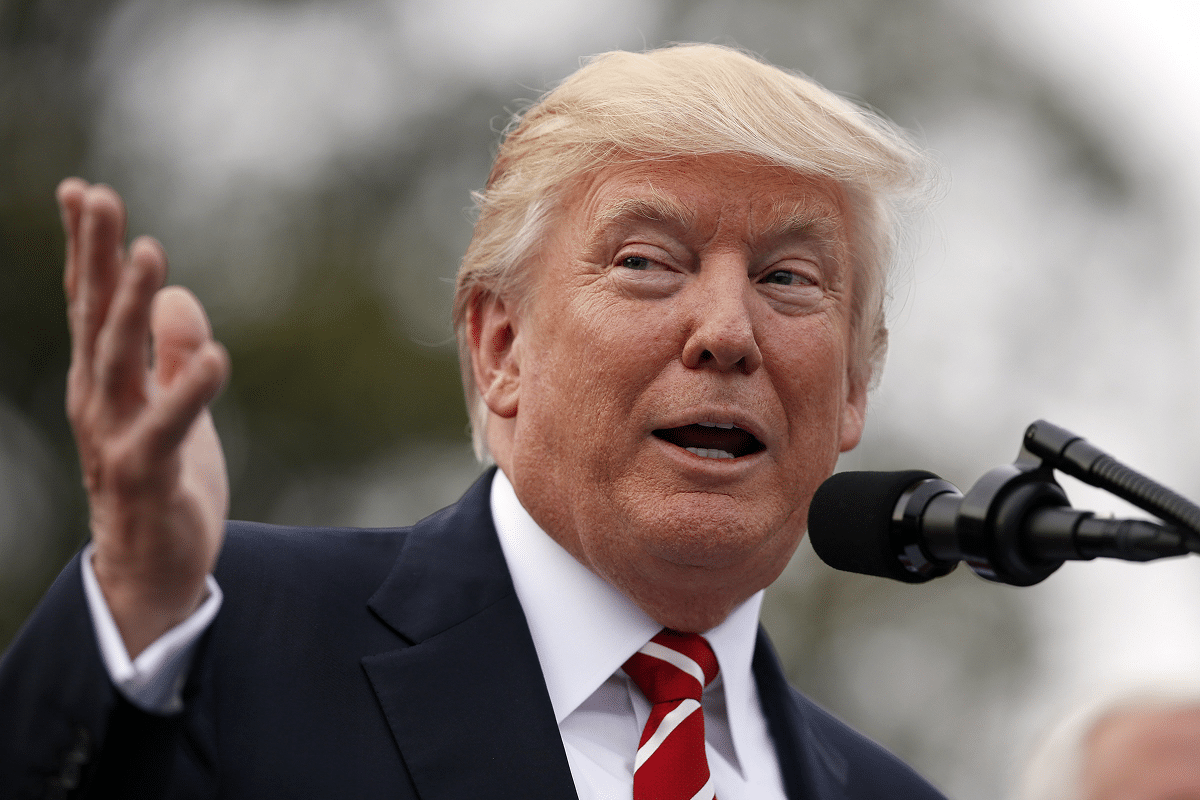
U.S. former President Donald Trump suggested that American forces could withdraw from Iran within a two- to three-week timeframe, signaling a potential shift in the geopolitical landscape of the Middle East. This announcement comes at a moment when global markets are closely monitoring tensions that have influenced oil prices, defense equities, and investor sentiment over recent months. Market participants are evaluating how such a withdrawal could impact both regional stability and international trade flows.
Market Reaction and Sector Implications
News of a potential U.S. drawdown sparked immediate responses in energy and defense sectors. Crude oil prices experienced volatility as traders weighed the possibility of reduced geopolitical risk in the Persian Gulf, a critical artery for global energy supply. Defense contractors saw mixed activity, reflecting the market’s anticipation of shifting government spending priorities. Analysts note that any reduction in military presence could ease immediate regional risk premiums, potentially moderating the price volatility that has affected oil and energy-linked equities over the past several months.
Geopolitical Context and Strategic Considerations
Trump’s projection follows months of heightened tensions in the region, including sanctions, military deployments, and diplomatic negotiations. While the exact timeline and scope of a potential withdrawal remain uncertain, the statement underscores the influence of political signaling on global markets. Investors are particularly focused on how regional actors—such as Iran, Saudi Arabia, and Israel—may adjust their strategies, as well as how international organizations and trade routes could be affected. The development also invites scrutiny of broader U.S. foreign policy trends and the potential for rapid shifts in defense commitments.
Investor Outlook and Risk Monitoring
Financial market participants are evaluating the implications of a U.S. withdrawal on commodity prices, currency flows, and risk appetite across equities. Analysts highlight that while reduced geopolitical tensions may support market stability, volatility could persist if developments deviate from expectations or trigger new regional frictions. Moving forward, investors will closely monitor official announcements, oil market trends, and regional diplomatic engagements to gauge how this potential military shift could influence asset allocation, hedging strategies, and global investment sentiment.
Looking ahead, the interplay between political decisions, energy market dynamics, and regional stability will remain central to global financial risk assessment. Observers will track whether any U.S. withdrawal aligns with broader de-escalation efforts and how it shapes investor confidence across sectors sensitive to geopolitical developments.
Comparison, examination, and analysis between investment houses
Leave your details, and an expert from our team will get back to you as soon as possible
* This article, in whole or in part, does not contain any promise of investment returns, nor does it constitute professional advice to make investments in any particular field.
To read more about the full disclaimer, click here
- sagi habasov
- •
- 9 Min Read
- •
- ago 21 hours
SKN | Are Surging Energy Costs Fueling Germany’s Political Shift Back Toward Russian Supplies?
Germany’s energy crisis is rapidly evolving into a political flashpoint, as soaring fuel prices reignite debate over the country’s post-2022
- ago 21 hours
- •
- 9 Min Read

Germany’s energy crisis is rapidly evolving into a political flashpoint, as soaring fuel prices reignite debate over the country’s post-2022

- Ronny Mor
- •
- 7 Min Read
- •
- ago 2 days
SKN | Why the U.S. May Allow a Russian Oil Tanker Into Cuba Amid a Deepening Energy Crisis
Cuba’s escalating energy crisis has pushed the country to the brink of widespread power disruptions, prompting an unusual geopolitical development:
- ago 2 days
- •
- 7 Min Read

Cuba’s escalating energy crisis has pushed the country to the brink of widespread power disruptions, prompting an unusual geopolitical development:
- sagi habasov
- •
- 7 Min Read
- •
- ago 5 days
SKN | Can TSA Be Paid During a Shutdown? Trump Signals Executive Order to Protect Aviation Security
Former U.S. President Donald Trump stated that he would sign an executive order allowing Transportation Security Administration (TSA) employees to
- ago 5 days
- •
- 7 Min Read
Former U.S. President Donald Trump stated that he would sign an executive order allowing Transportation Security Administration (TSA) employees to
- sagi habasov
- •
- 7 Min Read
- •
- ago 5 days
SKN | Geopolitical Flashpoint: Trump’s Iran Warning Raises Stakes for Global Markets
Geopolitical tensions in the Middle East have intensified after Donald Trump called on Iran to negotiate a deal before
- ago 5 days
- •
- 7 Min Read
Geopolitical tensions in the Middle East have intensified after Donald Trump called on Iran to negotiate a deal before


