


- Lior mor
- •
- 6 Min Read
- •
- 2 days ago
Key Points
- Rising rhetoric between the U.S. and Iran over the Strait of Hormuz has heightened geopolitical risk, affecting oil markets and regional stability.
- Financial markets are closely watching potential disruptions to global energy supply, with crude prices showing early sensitivity to escalatory signals.
- Israel and regional economies are evaluating exposure to broader Middle Eastern volatility, influencing investment strategy and risk management considerations.
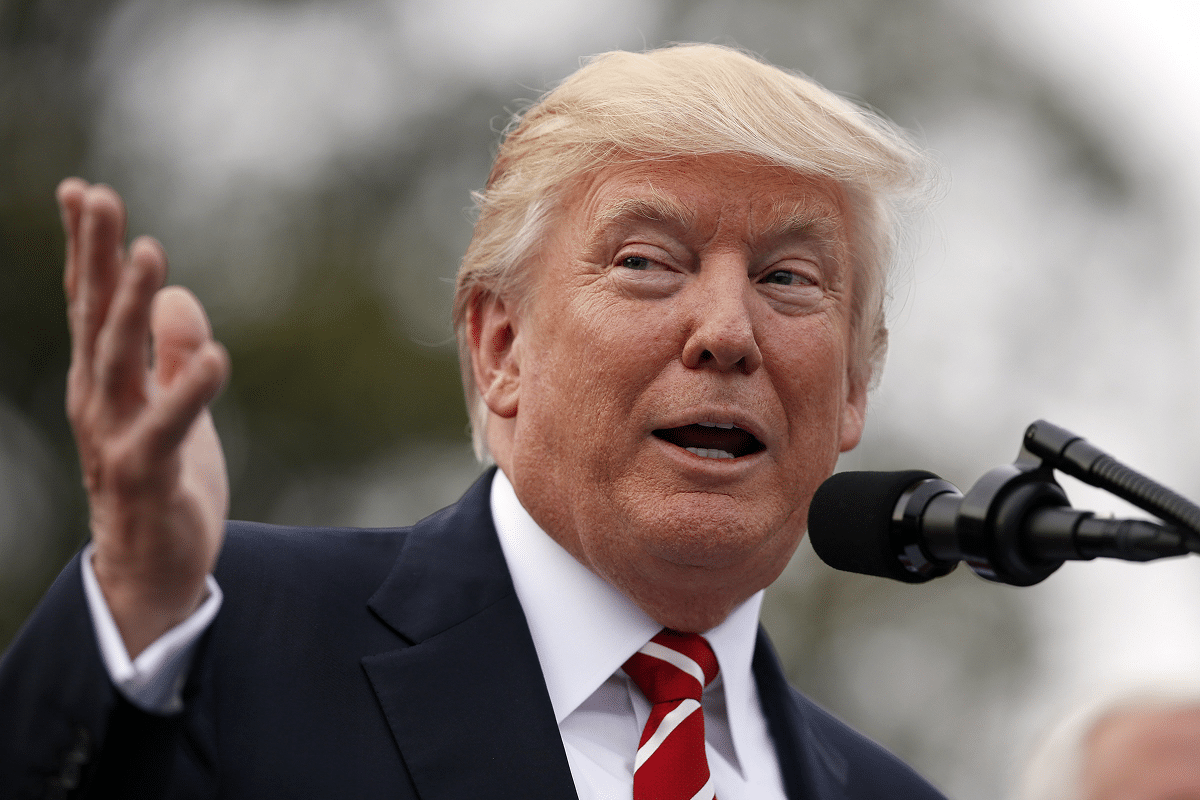
Tensions between the United States and Iran intensified this week as both parties issued explicit war warnings concerning the Strait of Hormuz, a strategic chokepoint for global oil flows. The escalation has injected fresh uncertainty into energy markets, with Brent crude and WTI futures showing heightened volatility, and has drawn attention from investors and policymakers monitoring geopolitical risk. Market participants are assessing potential ripple effects across equities, commodities, and regional financial stability.
Geopolitical Developments and Market Impact
Statements from the U.S. administration under Donald Trump and Iran’s leadership have signaled a hardening stance, suggesting potential military or economic confrontations if tensions continue. The Strait of Hormuz, through which nearly 20% of global oil supply transits, remains a critical focal point, raising concerns about supply chain disruptions and price shocks. Oil benchmarks have responded to these developments, with Brent crude trading up nearly 1.2% in early Asia sessions, reflecting investor sensitivity to potential supply interruptions. Regional equities, particularly in energy-exporting countries, are also under pressure as market participants factor in geopolitical risk premiums.
Financial and Economic Implications
Heightened instability in the Persian Gulf can affect global markets in multiple ways. Energy-importing nations may face higher fuel costs, influencing inflation expectations and monetary policy decisions. Investors are evaluating the exposure of oil-sensitive sectors, including transportation, manufacturing, and technology firms with significant regional operations. Additionally, bond markets are reflecting risk-off sentiment in part, as U.S. Treasury yields have shown minor declines while safe-haven assets such as gold and the Japanese yen have experienced modest inflows. Market strategists highlight that even short-term disruptions in Hormuz could have outsized effects on crude pricing and derivative products tied to energy futures.
Regional Considerations and Strategic Outlook
For Israel and neighboring Middle Eastern economies, the escalation reinforces the importance of monitoring both security developments and economic resilience. Local markets may face indirect volatility due to global risk sentiment and changes in capital flows, with defensive sectors and liquid assets becoming more attractive to risk-conscious investors. Policymakers and institutional investors are assessing contingency plans, evaluating energy supply dependencies, and considering currency hedges to mitigate regional spillovers. The evolving situation underscores the intersection of geopolitical strategy and financial market exposure in shaping investment decisions.
Forward-Looking Perspective
As tensions continue to build, market participants will closely monitor official statements, military movements, and potential sanctions or trade interventions. Oil prices, regional equities, and safe-haven assets are likely to remain sensitive to incremental developments in the Strait of Hormuz. Investors should consider the duration and severity of the geopolitical standoff, track macroeconomic indicators, and adjust portfolios to balance growth opportunities against heightened risk. Effective monitoring of news flow, energy market data, and regional policy responses will be critical for navigating this volatile environment and understanding potential implications for global and Israeli financial markets.
Comparison, examination, and analysis between investment houses
Leave your details, and an expert from our team will get back to you as soon as possible
* This article, in whole or in part, does not contain any promise of investment returns, nor does it constitute professional advice to make investments in any particular field.
To read more about the full disclaimer, click here
- Lior mor
- •
- 7 Min Read
- •
- ago 21 seconds
SKN | Rising Costs of Conflict Push Washington to Explore Diplomacy With Iran
Geopolitical tensions between the United States and Iran may be entering a new phase as officials signal the possibility of
- ago 21 seconds
- •
- 7 Min Read

Geopolitical tensions between the United States and Iran may be entering a new phase as officials signal the possibility of

- sagi habasov
- •
- 7 Min Read
- •
- ago 2 days
SKN | Could Deploying ICE Agents to Airports Escalate the U.S. Political Standoff?
The U.S. political deadlock over Department of Homeland Security funding has taken a dramatic turn, as President Donald Trump
- ago 2 days
- •
- 7 Min Read

The U.S. political deadlock over Department of Homeland Security funding has taken a dramatic turn, as President Donald Trump
- Lior mor
- •
- 8 Min Read
- •
- ago 1 week
SKN | Oil Prices Jump Above $100 as Middle East Conflict Escalates, Raising Global Supply Fears
Global markets are shifting rapidly as the escalating Middle East conflict pushes oil prices above $100 per barrel and raises
- ago 1 week
- •
- 8 Min Read
Global markets are shifting rapidly as the escalating Middle East conflict pushes oil prices above $100 per barrel and raises
- sagi habasov
- •
- 6 Min Read
- •
- ago 1 week
SKN | Trump’s Call for Chinese Warships Stirs Tensions Between Washington and Beijing
Former President Donald Trump’s recent remarks advocating for the deployment of Chinese warships have intensified scrutiny of U.S.-China relations. The
- ago 1 week
- •
- 6 Min Read
Former President Donald Trump’s recent remarks advocating for the deployment of Chinese warships have intensified scrutiny of U.S.-China relations. The

