





- Ronny Mor
- •
- 7 Min Read
- •
- 2 hours ago
Key Points
- Private-market innovators including SpaceX, OpenAI, and Anthropic are increasingly viewed as the next generation of market-defining companies.
- The emergence of the "FAB 10" reflects a shift from pure public-equity leadership toward a broader innovation ecosystem spanning AI, aerospace, and advanced computing.
- Valuation growth remains impressive, but investors face significant uncertainty regarding regulation, competition, and long-term commercialization.
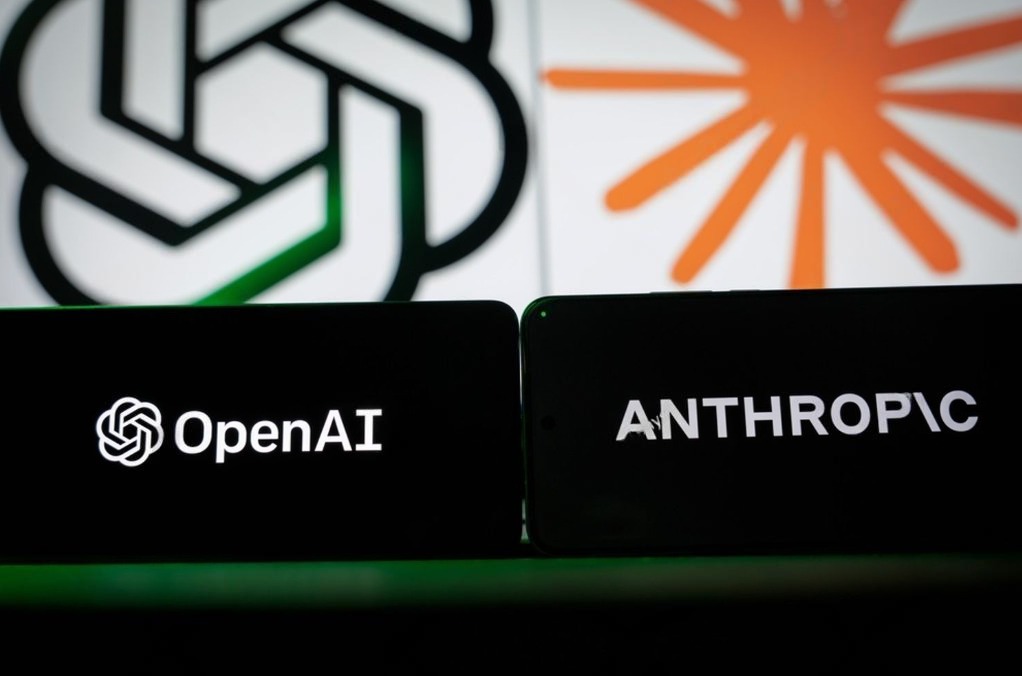
For much of the past two years, the “Magnificent Seven” technology giants dominated equity market returns, driving a substantial portion of gains in the S&P 500 and Nasdaq. However, a growing number of investors and venture capital firms are increasingly focusing on a new cohort of high-growth companies—including SpaceX, OpenAI, and Anthropic—that are reshaping the future of artificial intelligence, space technology, and digital infrastructure.
This emerging group, often referred to as the “FAB 10”, represents a broader shift in where innovation-driven value creation may occur over the coming decade, extending beyond traditional public markets and into the rapidly expanding private technology ecosystem.
The Evolution Beyond the Magnificent Seven
The Magnificent Seven—comprising companies such as Nvidia, Microsoft, Apple, Amazon, Alphabet, Meta, and Tesla—benefited from powerful secular trends including cloud computing, artificial intelligence, digital advertising, and electric vehicles. Their combined market capitalization expanded by trillions of dollars, becoming a major driver of global equity performance.
The FAB 10 narrative suggests that investors are now looking beyond established technology leaders toward emerging firms that could become the next wave of transformative businesses. SpaceX has become a dominant force in commercial aerospace and satellite communications, while OpenAI and Anthropic are competing at the forefront of generative AI development. Together, these companies are attracting unprecedented levels of private capital and strategic investment.
Artificial Intelligence Becomes the New Capital Magnet
A defining characteristic of the FAB 10 theme is the concentration of investment around artificial intelligence infrastructure. OpenAI and Anthropic have secured multi-billion-dollar partnerships with major technology companies, reflecting growing demand for advanced AI models across enterprise software, cybersecurity, healthcare, and financial services.
The scale of investment highlights how AI has evolved from an experimental technology into a strategic economic priority. Investors increasingly view AI infrastructure, data centers, and computational capacity as foundational assets that could shape productivity growth for years to come. However, competitive pressures remain intense, and future profitability may depend on the ability to convert technological leadership into sustainable revenue streams.
Private Markets Take Center Stage
Unlike the Magnificent Seven, many FAB 10 companies remain privately held. This dynamic has increased interest in venture capital, private equity, secondary-market transactions, and alternative investment vehicles. The shift reflects a broader trend in which some of the world’s most valuable technology companies are remaining private for longer periods before considering public listings.
For Israeli investors, the trend is particularly relevant given Israel’s position as a global innovation hub. Many domestic technology companies operate within the same AI, cybersecurity, and deep-tech ecosystems that are attracting international capital. As a result, developments among the FAB 10 may offer insight into broader valuation trends and capital-allocation patterns across global technology markets.
Outlook: The rise of the FAB 10 underscores how rapidly innovation leadership can evolve within global markets. Continued advances in artificial intelligence, aerospace technology, and digital infrastructure could support further growth in private-market valuations. However, professional investors should remain mindful of execution risk, regulatory scrutiny, elevated valuations, geopolitical tensions, and the possibility that commercialization timelines may prove longer than currently anticipated. While the long-term innovation opportunity remains significant, future performance will likely depend on sustainable business models, capital efficiency, and the ability to navigate an increasingly competitive technological landscape.
Comparison, examination, and analysis between investment houses
Leave your details, and an expert from our team will get back to you as soon as possible
* This article, in whole or in part, does not contain any promise of investment returns, nor does it constitute professional advice to make investments in any particular field.
To read more about the full disclaimer, click here
- Articles
- •
- 8 Min Read
- •
- ago 19 minutes
SKN | Why Does Redwire Stock Keep Falling Despite Strong Space Industry Growth?
Redwire Corporation (NYSE: RDW), a space infrastructure and defense technology company, has experienced significant volatility in recent weeks despite
- ago 19 minutes
- •
- 8 Min Read
Redwire Corporation (NYSE: RDW), a space infrastructure and defense technology company, has experienced significant volatility in recent weeks despite

- orshu
- •
- 6 Min Read
- •
- ago 48 minutes
SKN | Anthropic Access Restrictions Spark Market Debate as Traders Expect Rapid AI Model Reinstatement
The artificial intelligence sector is facing renewed scrutiny after reports that Anthropic was directed by the Trump administration to
- ago 48 minutes
- •
- 6 Min Read

The artificial intelligence sector is facing renewed scrutiny after reports that Anthropic was directed by the Trump administration to

- sagi habasov
- •
- 6 Min Read
- •
- ago 5 hours
SKN | SpaceX Extends Rally as Retail Investor Enthusiasm Fuels Secondary Market Demand
Interest in SpaceX intensified this week as reports of continued buying activity pushed secondary-market valuations higher for a third
- ago 5 hours
- •
- 6 Min Read

Interest in SpaceX intensified this week as reports of continued buying activity pushed secondary-market valuations higher for a third

- Lior mor
- •
- 7 Min Read
- •
- ago 6 hours
SKN | AI Could Add €15 Billion to Hungary’s Economy by 2030, McKinsey Says
According to a new McKinsey analysis, artificial intelligence could unlock roughly €15 billion in productivity gains for Hungary by the
- ago 6 hours
- •
- 7 Min Read
According to a new McKinsey analysis, artificial intelligence could unlock roughly €15 billion in productivity gains for Hungary by the


