





- orshu
- •
- 7 Min Read
- •
- 11 hours ago
Key Points
- The TA Banks 5 Index gained approximately 3.80% over the trading week, closing at 8,381.90.
- A robust 1.21% advance in the final session bolstered the week's gains as investors capitalized on lower valuations following mid-week volatility.
- Market sentiment remains tied to Israel's economic outlook, central bank interest rate policies, and geopolitical developments.
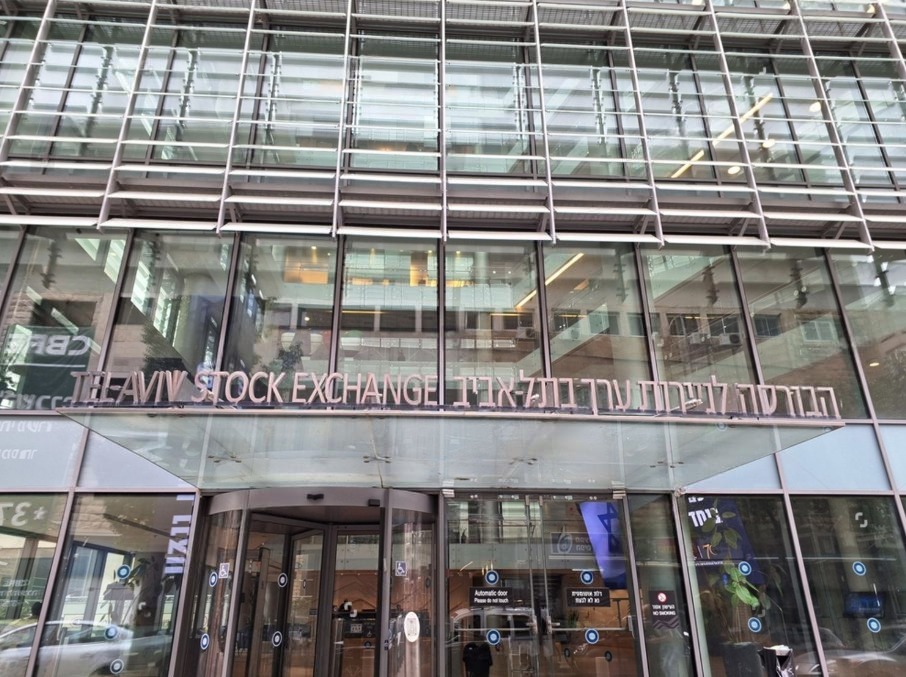
The TA Banks 5 Index ended the trading week higher following a notable rally in the final session, advancing approximately 3.80% over the week before closing at 8,381.90. The benchmark’s late-week strength reflected renewed buying interest and a broader stabilization in investor sentiment, as markets continued to assess the domestic economic recovery alongside evolving global macroeconomic conditions.
The week’s trading reflected cautious optimism across the Tel Aviv market, with investors evaluating inflation trends, Bank of Israel monetary expectations, and the outlook for local economic growth amid an increasingly complex geopolitical environment.
Domestic Financial Equities Extend Weekly Recovery
Throughout most of the week, Israeli banking equities traded with heightened volatility, with the TA Banks 5 Index surging mid-week before retreating slightly, and then rebounding during the final session. The final-day advance of 1.21% strongly supported overall performance, suggesting that investors remained willing to maintain exposure to domestic financial institutions despite elevated localized volatility.
Major commercial banks, including Leumi, Hapoalim, and Discount, continued to heavily influence index performance. Investors generally responded positively to expectations that domestic corporate fundamentals are stabilizing, while monitoring the Bank of Israel’s recent decision on July 6, 2026, to lower the interest rate to 3.5 percent.
Macro Developments Continue to Drive Sentiment
Investor attention remained focused on several macroeconomic themes, including Israel’s growth trajectory, monetary policy expectations, and fiscal stability. Markets also monitored signs of improving domestic demand, such as the recent 2.5 percent increase in the monthly Index of Economic Activity for June, while evaluating whether current data justify further monetary easing by the central bank.
At the same time, regional risks continue to shape investor positioning. Ongoing security developments, potential adjustments to taxation, and uncertainty surrounding the broader national budget remain important variables for Tel Aviv-listed financial institutions, which rely on stable domestic operational conditions and a robust borrowing environment.
Israeli Investors Focus on Domestic Financials and Yield
For Israeli investors, the TA Banks 5 represents a critical barometer of the domestic financial ecosystem and an essential tool for localized portfolio income. Institutional portfolios often maintain direct exposure to these top-tier commercial banks due to their strong market capitalization, dividend policies, and structural importance to the national economy.
However, exposure to local banking stocks also carries unique considerations, including domestic regulatory constraints, interest rate fluctuations, and shifts in localized consumer risk appetite. As a result, portfolio managers continue emphasizing balanced allocations while closely monitoring corporate earnings quality and national fiscal policy announcements that could influence domestic financial multiples.
Outlook: The near-term outlook for the TA Banks 5 Index remains cautiously constructive but highly dependent on incoming economic data and policy signals from the Bank of Israel. Additional fiscal stability, resilient corporate earnings, and strong credit demand could provide further support for equities. Conversely, renewed geopolitical tensions, weaker-than-expected macroeconomic indicators, or adverse regulatory changes could increase local volatility. For long-term investors, the Tel Aviv banking index continues to offer access to the economy’s most entrenched financial enterprises, although maintaining a balanced assessment of both opportunities and downside risks remains appropriate as macroeconomic conditions continue to evolve.
Comparison, examination, and analysis between investment houses
Leave your details, and an expert from our team will get back to you as soon as possible
* This article, in whole or in part, does not contain any promise of investment returns, nor does it constitute professional advice to make investments in any particular field.
To read more about the full disclaimer, click here
- Ronny Mor
- •
- 7 Min Read
- •
- ago 4 hours
SKN | Natural Gas Posts Weekly Decline Despite Final-Day Rebound as Investors Balance US Supply and Demand Dynamics
The Natural Gas Aug 26 (NGQ26.NYM) contract, trading on the NY Mercantile Exchange, ended the trading week slightly lower despite
- ago 4 hours
- •
- 7 Min Read

The Natural Gas Aug 26 (NGQ26.NYM) contract, trading on the NY Mercantile Exchange, ended the trading week slightly lower despite

- omer bar
- •
- 7 Min Read
- •
- ago 5 hours
SKN | Brent Crude Oil Posts Sharp Weekly Gain as US-Iran Escalation Drives Supply Fears
The Brent Crude Oil Last Day Financial contract ended the trading week significantly higher following a dramatic rally in the
- ago 5 hours
- •
- 7 Min Read

The Brent Crude Oil Last Day Financial contract ended the trading week significantly higher following a dramatic rally in the

- Lior mor
- •
- 8 Min Read
- •
- ago 6 hours
SKN | USD/CAD Ends the Week Lower as Markets Weigh Bank of Canada Policy and Oil Prices
The USD/CAD currency pair ended the trading week lower despite a slight consolidation in the final sessions, declining approximately 1.01%
- ago 6 hours
- •
- 8 Min Read

The USD/CAD currency pair ended the trading week lower despite a slight consolidation in the final sessions, declining approximately 1.01%

- Arik Arkadi Sluzki
- •
- 7 Min Read
- •
- ago 6 hours
SKN | USD/AUD Ends the Week Lower as Markets Weigh Australia’s Economic Outlook and RBA Policy
The USD/AUD currency pair ended the trading week lower despite a notable rally in the final session, declining approximately 0.61%
- ago 6 hours
- •
- 7 Min Read

The USD/AUD currency pair ended the trading week lower despite a notable rally in the final session, declining approximately 0.61%


