





- omer bar
- •
- 7 Min Read
- •
- 22 hours ago
Key Points
- The Brent Crude Oil Last Day Financial contract surged approximately 5.91% over the trading week, settling at 88.10.
- A massive 4.59% advance in the final session propelled the week's gains as investors reacted to escalating geopolitical conflict.
- Market sentiment remains tied to military tensions between the United States and Iran, which have heightened fears of disruptions to global energy supplies through critical shipping routes.

The Brent Crude Oil Last Day Financial contract ended the trading week significantly higher following a dramatic rally in the final session, advancing approximately 5.91% over the week before closing at 88.10. The benchmark’s late-week strength, capped by a substantial 4.59% daily jump (3.87), reflected an acute spike in geopolitical risk premiums and a broad deterioration in global supply security, as markets abruptly priced in military escalations in the Middle East.
The week’s trading reflected severe volatility across global energy markets, with investors evaluating domestic inflation trends against sudden, severe threats to the international commodity supply chain.
Crude Oil Surges Amid Geopolitical Turmoil
Throughout the first half of the week, Brent crude traded with choppy volatility, dipping toward local lows near 83.71 before reversing course violently on Friday. The final-day surge pushed the contract to an intraday high of 88.32 before settling slightly lower at 88.10, completely redefining the week’s trajectory and indicating that energy traders are aggressively hedging against prolonged supply disruptions.
The sudden spike in crude prices comes as military hostilities between the U.S. and Iran have intensified significantly. The United States launched fresh strikes targeting military infrastructure near Iran’s southern coastline, which prompted retaliatory missile and drone attacks by Iran. Consequently, fresh concerns over the security of two of the world’s most critical shipping routes—the Strait of Hormuz and the Red Sea—have added a massive risk premium to oil markets.
Macro Developments Continue to Drive Sentiment
Investor attention has rapidly shifted from global demand-side economics to immediate supply-side vulnerabilities. The renewed conflict has raised intense concerns that energy infrastructure and shipping routes across the Middle East could face sustained blockades or physical damage. While global inventory data and central bank interest rate policies typically drive market fundamentals, these macro indicators are currently being overshadowed by the immediate threat of a major oil shock.
At the same time, the possibility of Red Sea or Strait of Hormuz closures remains the most critical variable for energy markets. Should the conflict widen, the resultant supply bottleneck could trigger cascading effects across global manufacturing, international logistics, and headline inflation metrics.
Israeli Investors Monitor Global Commodity Diversification
For Israeli investors, the global energy market and crude oil pricing remain hyper-critical components of macroeconomic risk assessment and portfolio diversification. Institutional portfolios often gain direct or indirect exposure to the energy sector through global exchange-traded funds, international energy equities, and commodity-linked derivatives.
However, exposure to crude oil under current conditions carries extreme volatility risks. The localized nature of the conflict directly impacts the region’s geopolitical stability, compounding the currency fluctuations between the U.S. dollar and Israeli shekel, as well as shifts in domestic investor risk appetite. As a result, portfolio managers are heavily emphasizing defensive allocations and energy hedges while closely monitoring the fast-moving military developments that are aggressively dictating regional commodity valuations.
Outlook: The near-term outlook for Brent crude oil remains highly volatile and inextricably bound to the unfolding military conflict between the U.S. and Iran. Any de-escalation or diplomatic intervention could rapidly deflate the current geopolitical risk premium, pulling prices back toward mid-week levels. Conversely, sustained hostilities, actual damage to regional energy infrastructure, or a confirmed closure of the Strait of Hormuz or Red Sea would likely force a much more aggressive upward repricing of the commodity. For long-term investors, the crude oil market continues to offer an essential hedge against geopolitical instability, although maintaining a highly disciplined assessment of both opportunities and severe downside risks remains appropriate as global macroeconomic and security conditions continue to evolve.
Comparison, examination, and analysis between investment houses
Leave your details, and an expert from our team will get back to you as soon as possible
* This article, in whole or in part, does not contain any promise of investment returns, nor does it constitute professional advice to make investments in any particular field.
To read more about the full disclaimer, click here
- orshu
- •
- 8 Min Read
- •
- ago 3 hours
SKN | Tel Aviv Equities Edge Lower as TA-90 and TA-125 Face Broad Selling Pressure
Tel Aviv financial markets are trading slightly lower as investors continue to navigate a cautious environment following recent market volatility.
- ago 3 hours
- •
- 8 Min Read
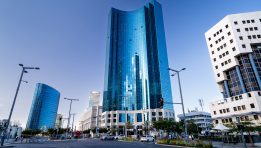
Tel Aviv financial markets are trading slightly lower as investors continue to navigate a cautious environment following recent market volatility.
- orshu
- •
- 7 Min Read
- •
- ago 7 hours
SKN | Global Markets Target United Kingdom Inflation Telemetry and Mega Cap Tech Earnings as Mid Summer Volatility Rises
Global capital markets advance into the trading week of July 20, 2026, navigating a high impact intersection of inflation data
- ago 7 hours
- •
- 7 Min Read
Global capital markets advance into the trading week of July 20, 2026, navigating a high impact intersection of inflation data

- omer bar
- •
- 6 Min Read
- •
- ago 9 hours
SKN | Samsung Biologics’ $1.8 Billion Bid for PolyPeptide Signals a New Push in Global Biopharma Manufacturing
Samsung Biologics is set to launch a $1.8 billion all-cash bid for PolyPeptide, marking one of the biotechnology manufacturing sector's
- ago 9 hours
- •
- 6 Min Read

Samsung Biologics is set to launch a $1.8 billion all-cash bid for PolyPeptide, marking one of the biotechnology manufacturing sector's

- Ronny Mor
- •
- 8 Min Read
- •
- ago 10 hours
SKN | Asian Markets Mixed on July 20 as India Leads Gains While Japan and China Drive Regional Selloff
Asian equity markets traded with mixed performance during Monday morning's session on July 20 as gains in India and Australia
- ago 10 hours
- •
- 8 Min Read

Asian equity markets traded with mixed performance during Monday morning's session on July 20 as gains in India and Australia


