


- Ronny Mor
- •
- 6 Min Read
- •
- 18 hours ago
Key Points
- Rising crude prices are prompting Latin American governments to reconsider energy policies and import dependencies.
- Regional economies are grappling with inflationary pressures, fiscal strains, and the need for energy security.
- Investors are closely watching policy shifts as oil market volatility affects both equities and commodities exposure.
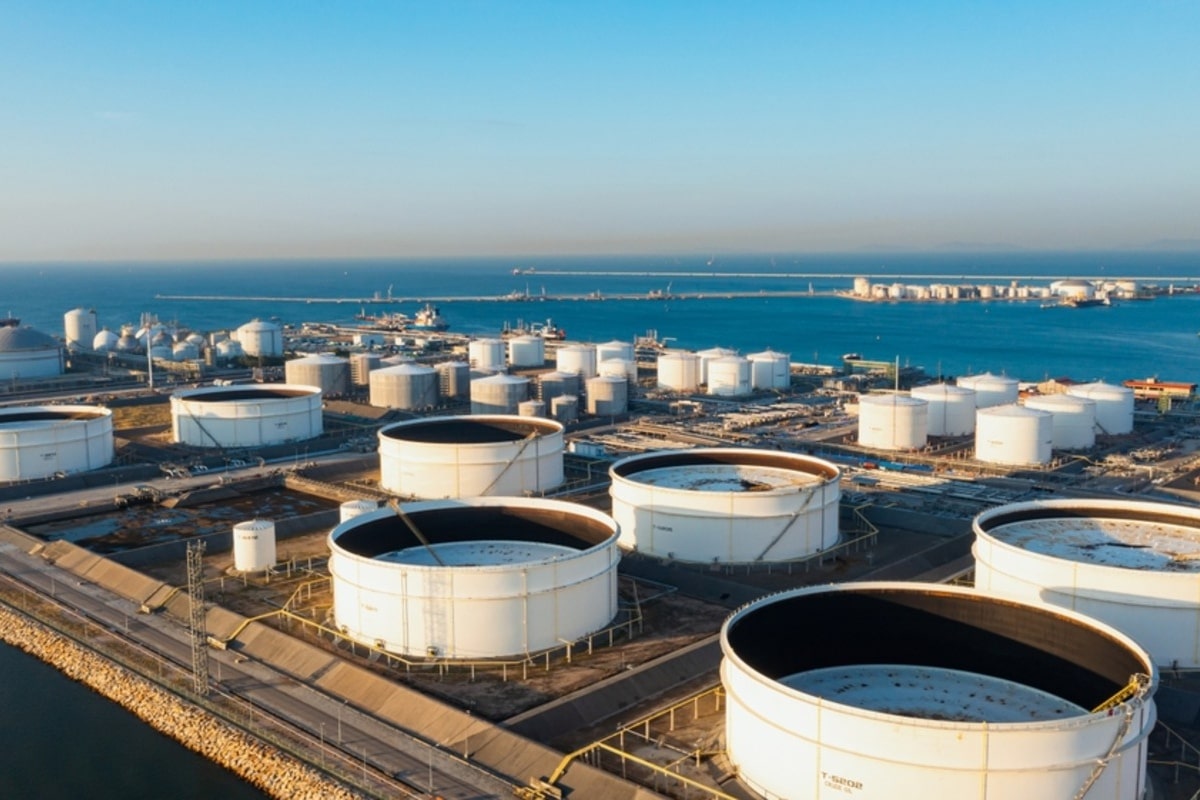
The recent surge in global oil prices has sent ripples across Latin American economies, prompting policymakers to reevaluate energy strategies and supply chains. With Brent crude climbing over 5% in the past month, nations that rely heavily on imported fuel are facing mounting fiscal and inflationary pressures. The developments are influencing both domestic markets and foreign investment flows, highlighting the intersection of energy pricing and economic resilience.
Regional Energy Policy Shifts
Governments across the region, including Brazil, Colombia, and Mexico, are actively reassessing energy policies to mitigate the impact of volatile oil markets. Higher fuel prices are straining public budgets, leading to discussions about subsidies, alternative energy incentives, and long-term infrastructure investments. Brazil, for example, has signaled potential revisions to its fuel tax framework to contain domestic inflation, while Colombia is exploring diversification strategies to reduce reliance on imported refined products. Policymakers are weighing immediate relief measures against sustainable energy transition goals, balancing fiscal discipline with the need for economic stability.
Economic Implications for Markets and Investors
The oil price surge has had an immediate impact on Latin American financial markets, particularly in sectors tied to energy consumption and export commodities. Transportation, manufacturing, and industrial companies face rising operational costs, which could influence corporate earnings and stock valuations. Regional equities have displayed increased volatility, with investors adjusting positions to hedge against energy-related risks. Bond markets have also reacted, as higher fuel prices and inflation expectations affect interest rate outlooks and sovereign debt costs. Market participants are factoring in geopolitical developments, global demand trends, and OPEC+ production decisions in evaluating the broader impact of oil price fluctuations.
Strategic Considerations for Energy Security
Beyond immediate economic pressures, Latin American nations are reassessing energy security strategies, including expanding renewable energy capacity and bolstering strategic petroleum reserves. Infrastructure investments, such as refining capacity upgrades and cross-border energy partnerships, are being considered to enhance resilience against global supply shocks. Israel’s energy importers and investors monitoring regional oil dependencies are taking note, as any disruptions in Latin American oil flows could have indirect effects on global energy markets. Governments and institutions are prioritizing long-term planning, ensuring energy availability while balancing fiscal and environmental objectives.
Forward-Looking Outlook
Looking ahead, Latin American policymakers and investors will closely monitor oil price trends, OPEC+ production signals, and geopolitical developments that could affect supply chains. Inflationary pressures may dictate further adjustments to subsidies and fiscal policy, while renewable energy initiatives could reshape market dynamics over the medium term. Investors and regional governments should assess portfolio exposure to energy-sensitive sectors and consider strategies that balance growth opportunities with the risks of ongoing price volatility. Continuous observation of energy market data, policy announcements, and infrastructure projects will be crucial for navigating evolving market conditions in Latin America and their global implications.
Comparison, examination, and analysis between investment houses
Leave your details, and an expert from our team will get back to you as soon as possible
* This article, in whole or in part, does not contain any promise of investment returns, nor does it constitute professional advice to make investments in any particular field.
To read more about the full disclaimer, click here
- sagi habasov
- •
- 6 Min Read
- •
- ago 52 minutes
SKN | Is Gold Losing Its Safe-Haven Status as Geopolitics Give Way to Inflation Fears?
Gold and silver markets are undergoing a sharp recalibration as geopolitical tensions momentarily ease while inflation pressures intensify. After suffering
- ago 52 minutes
- •
- 6 Min Read

Gold and silver markets are undergoing a sharp recalibration as geopolitical tensions momentarily ease while inflation pressures intensify. After suffering

- omer bar
- •
- 6 Min Read
- •
- ago 18 hours
SKN | Oil Prices Surge as Trump Issues Ultimatum and Iran Threatens Permanent Closure of the Strait of Hormuz
The oil market reacted sharply to the latest escalation between the United States and Iran, as President Trump issued a
- ago 18 hours
- •
- 6 Min Read
The oil market reacted sharply to the latest escalation between the United States and Iran, as President Trump issued a
- sagi habasov
- •
- 7 Min Read
- •
- ago 2 days
SKN | Global Supply Risks Ahead: How the Strait of Hormuz Could Impact Coca-Cola’s Cost Structure and Growth Outlook
Escalating geopolitical risks around the Strait of Hormuz are emerging as a key macro factor for global corporations, including
- ago 2 days
- •
- 7 Min Read

Escalating geopolitical risks around the Strait of Hormuz are emerging as a key macro factor for global corporations, including

- orshu
- •
- 7 Min Read
- •
- ago 3 days
SKN | Why Is Gold Crashing Despite War and Inflation Fears and What Does It Signal?
Gold has delivered a historic shock to investors, plunging 11% in a single week—its worst performance since 1983—despite a backdrop
- ago 3 days
- •
- 7 Min Read

Gold has delivered a historic shock to investors, plunging 11% in a single week—its worst performance since 1983—despite a backdrop

