


- Arik Arkadi Sluzki
- •
- 6 Min Read
- •
- 13 seconds ago
Key Points
- Weekly vessel transits through the Strait of Hormuz have reached their highest levels since the conflict involving Iran began.
- Strong energy demand continues to drive shipping activity despite elevated geopolitical risks.
- Markets remain highly sensitive to disruptions in one of the world’s most critical oil chokepoints.
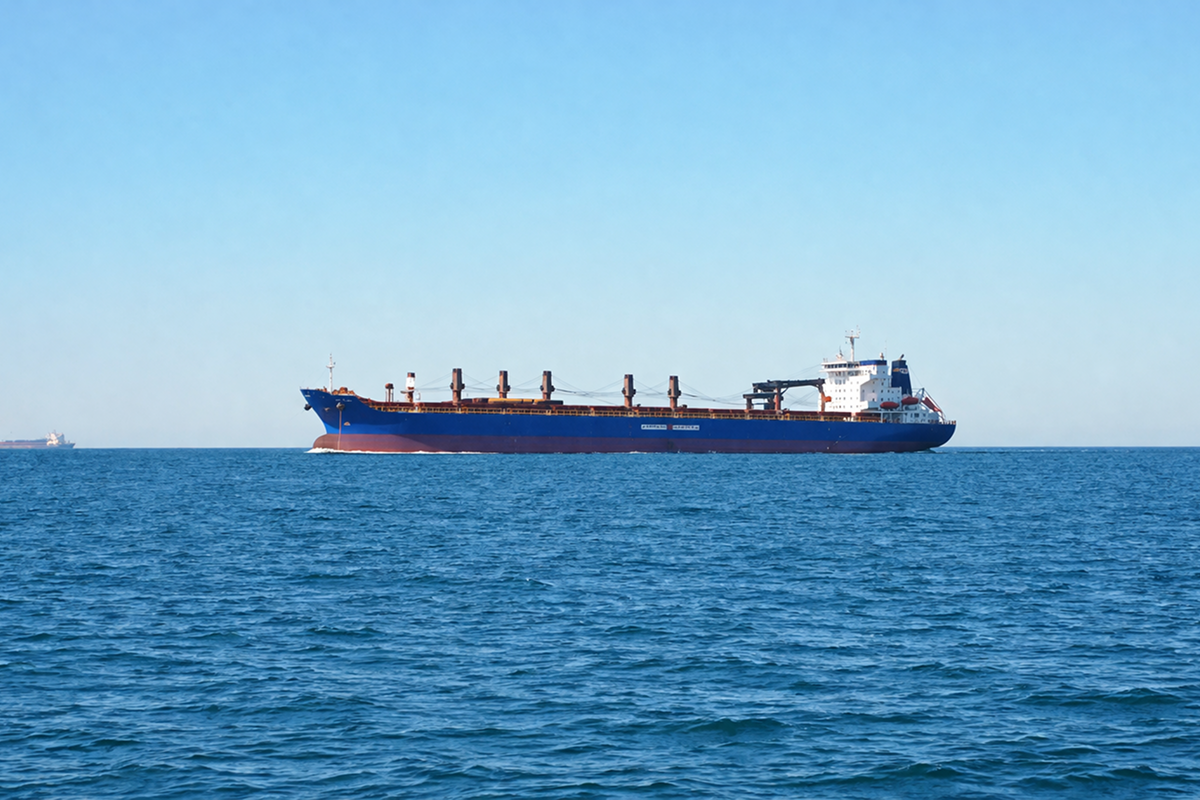
Shipping activity through the Strait of Hormuz has surged to its highest weekly levels since the onset of the Iran-related conflict, signaling continued resilience in global energy flows. The development highlights a critical tension in global markets, where robust demand for oil persists even as geopolitical risks remain elevated.
Energy Demand Sustains High Transit Levels
The Strait of Hormuz is a vital corridor for global energy markets, with a significant portion of the world’s oil and liquefied natural gas passing through it daily. Despite ongoing tensions, the increase in vessel traffic suggests that demand for energy remains strong, particularly from major importing regions.
This resilience reflects the structural importance of Middle Eastern energy supplies in meeting global consumption needs. Even in periods of heightened risk, alternative routes and sources are often insufficient to fully replace volumes passing through the strait.
For markets, this underscores the reality that energy demand fundamentals continue to outweigh geopolitical concerns in the short term.
Geopolitical Risk Remains Elevated
While transit levels have increased, the underlying risk environment remains fragile. The Strait of Hormuz has historically been a focal point for geopolitical tensions, and any disruption could have immediate and significant consequences for global markets.
Heightened military activity and regional instability increase the likelihood of incidents that could impact shipping, from temporary delays to more severe disruptions. These risks contribute to volatility in oil prices and shipping costs, as markets factor in potential supply shocks.
Investors are closely monitoring developments in the region, as even minor incidents can trigger sharp market reactions due to the strategic importance of the waterway.
Market Implications and Sector Impact
The surge in transit activity, combined with ongoing risks, has implications across multiple sectors. Energy markets remain particularly sensitive, with oil prices responding to both supply-demand dynamics and geopolitical developments.
Shipping and insurance costs are also affected, as increased risk premiums may be applied to vessels operating in the المنطقة. This can influence global trade costs and, in turn, impact inflation and economic activity.
For global investors, including those in Israel, the situation highlights the importance of monitoring energy infrastructure, trade routes, and geopolitical developments as key drivers of market performance.
Looking ahead, the sustainability of elevated transit levels will depend on regional stability, security measures, and global energy demand trends. Markets will continue to assess the balance between strong demand and potential disruptions, with volatility likely to persist. Investors will watch for signs of escalation or de-escalation, as well as shifts in shipping patterns and energy pricing. The interplay between resilient supply flows and underlying geopolitical risk will remain a defining factor for global markets in the near term.
Comparison, examination, and analysis between investment houses
Leave your details, and an expert from our team will get back to you as soon as possible
* This article, in whole or in part, does not contain any promise of investment returns, nor does it constitute professional advice to make investments in any particular field.
To read more about the full disclaimer, click here
- Lior mor
- •
- 6 Min Read
- •
- ago 16 minutes
SKN | Prolonged Conflict in Iran: Long-Term Economic Shockwaves Across Energy and Global Markets
The ongoing conflict involving Iran shows no clear signs of de-escalation, raising concerns about prolonged economic and geopolitical disruption.
- ago 16 minutes
- •
- 6 Min Read
The ongoing conflict involving Iran shows no clear signs of de-escalation, raising concerns about prolonged economic and geopolitical disruption.

- sagi habasov
- •
- 6 Min Read
- •
- ago 39 minutes
SKN | OpenAI’s Media Move: Strategic Content Acquisition Signals Expansion Beyond AI Infrastructure
OpenAI’s reported move to acquire a podcast platform signals a strategic expansion beyond artificial intelligence infrastructure into media influence
- ago 39 minutes
- •
- 6 Min Read

OpenAI’s reported move to acquire a podcast platform signals a strategic expansion beyond artificial intelligence infrastructure into media influence
- Lior mor
- •
- 7 Min Read
- •
- ago 4 hours
SKN | British Pound Currency Index Erases Mid-Week Surge to Register 0.87% Weekly Contraction
The British Pound Currency Index (^XDB) navigated a week defined by pronounced directional whiplash, ultimately surrendering its gains to
- ago 4 hours
- •
- 7 Min Read

The British Pound Currency Index (^XDB) navigated a week defined by pronounced directional whiplash, ultimately surrendering its gains to

- Arik Arkadi Sluzki
- •
- 6 Min Read
- •
- ago 6 hours
SKN | Euro Currency Index Maintains Equilibrium with Marginal 0.04% Weekly Advance Following Mid-Week Volatility
The Euro Currency Index navigated a week defined by pronounced directional shifts, ultimately securing a marginal 0.04% five-day advance
- ago 6 hours
- •
- 6 Min Read

The Euro Currency Index navigated a week defined by pronounced directional shifts, ultimately securing a marginal 0.04% five-day advance

