


- Ronny Mor
- •
- 6 Min Read
- •
- 12 seconds ago
Key Points
- Calls for international leadership in the Strait of Hormuz highlight shifting geopolitical responsibilities.
- Critical oil transit route remains a major global risk point for energy markets and supply chains.
- Markets may face renewed volatility as geopolitical uncertainty intersects with energy pricing.

Statements urging other nations to take a leading role in securing the Strait of Hormuz have brought renewed attention to one of the world’s most strategically significant energy chokepoints. The remarks come at a time when global markets are increasingly sensitive to geopolitical developments, particularly those that could disrupt oil supply and influence inflation trajectories.
The Strategic Importance of the Strait of Hormuz
The Strait of Hormuz remains one of the most critical maritime passages in the global energy system, with an estimated 20% of the world’s oil supply passing through it daily. Any disruption to this narrow waterway can have immediate and far-reaching consequences for global oil prices, shipping routes, and economic stability.
The region’s significance extends beyond oil, as it also serves as a key transit route for liquefied natural gas (LNG), particularly from Gulf producers. For energy-importing economies, including Israel, stability in this corridor is essential to maintaining predictable energy costs and supply continuity.
The call for broader international involvement underscores a potential shift in how security responsibilities are distributed, raising questions about coordination, response capabilities, and geopolitical alignment.
Market Sensitivity to Geopolitical Signals
Financial markets have historically reacted swiftly to developments involving the Strait of Hormuz. Even the perception of risk can lead to oil price volatility, as traders factor in potential supply disruptions. This, in turn, affects inflation expectations, central bank policies, and broader asset pricing.
In recent sessions, energy markets have shown increased sensitivity to geopolitical headlines, reflecting a market environment where risk premiums can expand rapidly. For equities, higher oil prices can create sector divergence, benefiting energy producers while pressuring industries reliant on fuel-intensive operations.
Currency markets are also impacted, with safe-haven flows often strengthening the US dollar during periods of uncertainty. For global investors, including institutional players in Israel, these dynamics highlight the interconnected nature of geopolitics and financial markets.
Shifting Global Responsibilities and Strategic Implications
The suggestion that other countries should take a more active role in securing the Strait introduces a new dimension to global energy security. It reflects broader discussions around burden-sharing and the evolving role of major powers in maintaining critical infrastructure.
This shift could have implications for international alliances, defense spending, and diplomatic relations, particularly among countries heavily dependent on energy imports. Coordination challenges may arise, as differing national interests and capabilities influence collective action.
From a market perspective, uncertainty surrounding security arrangements could contribute to elevated volatility in both energy and equity markets. Investors may demand higher risk premiums, particularly in sectors directly exposed to geopolitical disruptions.
Looking ahead, market participants will closely monitor developments related to security coordination, geopolitical tensions, and energy supply stability. Any escalation or disruption in the Strait of Hormuz could have immediate implications for oil prices and global inflation. At the same time, increased international cooperation could help mitigate risks and stabilize markets. As energy remains a central driver of economic performance, the balance between geopolitical risk and coordinated response will play a key role in shaping investor sentiment and market direction in the coming months.
Comparison, examination, and analysis between investment houses
Leave your details, and an expert from our team will get back to you as soon as possible
* This article, in whole or in part, does not contain any promise of investment returns, nor does it constitute professional advice to make investments in any particular field.
To read more about the full disclaimer, click here
- Lior mor
- •
- 6 Min Read
- •
- ago 2 hours
SKN | US Energy Independence or Market Illusion? Why Global Oil Dynamics Still Matter
Recent remarks suggesting that the United States is “totally independent of the Middle East” have reignited debate over the
- ago 2 hours
- •
- 6 Min Read
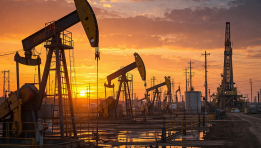
Recent remarks suggesting that the United States is “totally independent of the Middle East” have reignited debate over the

- Ronny Mor
- •
- 5 Min Read
- •
- ago 13 hours
SKN | How Oil Prices Above $100 a Barrel Could Directly Impact Your Finances
Global oil prices have climbed above $100 per barrel, raising concerns about the ripple effects on consumer spending, corporate expenses,
- ago 13 hours
- •
- 5 Min Read
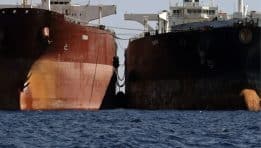
Global oil prices have climbed above $100 per barrel, raising concerns about the ripple effects on consumer spending, corporate expenses,
- Lior mor
- •
- 5 Min Read
- •
- ago 14 hours
SKN | Australia Invokes Emergency Powers as Fuel Shortages Disrupt Supply Chains
Australian authorities in a key state have triggered emergency powers to tackle a growing fuel crisis that is impacting transport,
- ago 14 hours
- •
- 5 Min Read
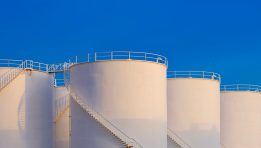
Australian authorities in a key state have triggered emergency powers to tackle a growing fuel crisis that is impacting transport,
- Ronny Mor
- •
- 7 Min Read
- •
- ago 14 hours
SKN | Trump Claims U.S. Has Ample Jet Fuel for Europe — Markets Aren’t Convinced
President Donald Trump’s recent statement that the United States has adequate jet fuel supplies for Europe did little to reassure
- ago 14 hours
- •
- 7 Min Read
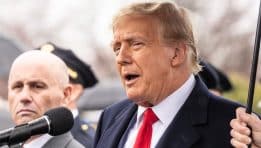
President Donald Trump’s recent statement that the United States has adequate jet fuel supplies for Europe did little to reassure

