


- orshu
- •
- 6 Min Read
- •
- 2 hours ago
Key Points
- U.S. stock futures moved lower following renewed geopolitical warnings directed at Iran.
- Investor sentiment weakened, with markets shifting toward defensive positioning.
- Energy and volatility indicators rose, reflecting heightened geopolitical risk premiums.
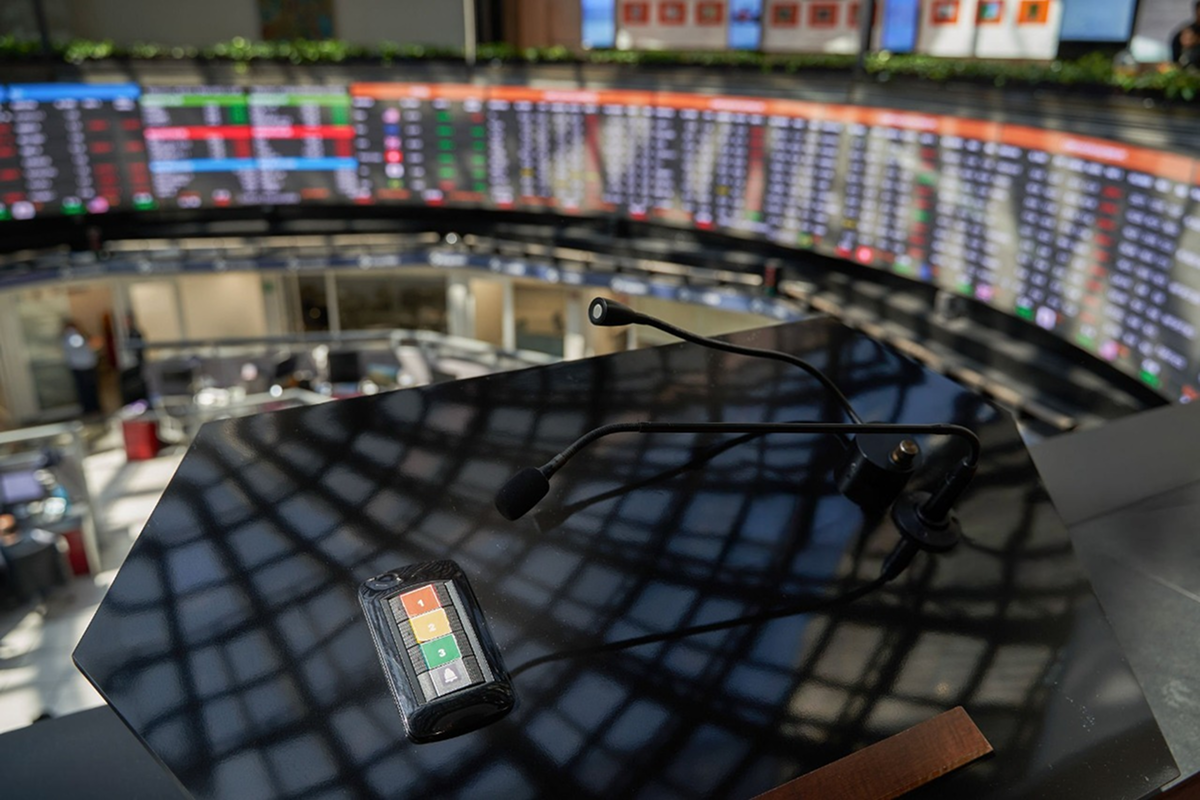
U.S. stock futures declined as markets reacted to escalating geopolitical rhetoric after Donald Trump warned Iran to get “serious” about negotiations. The development has introduced renewed uncertainty into global markets, with investors reassessing risk exposure amid rising concerns over potential conflict and its broader economic implications.
Futures Markets Reflect Immediate Risk Aversion
Equity futures tied to major indices, including the S&P 500 and Nasdaq, moved lower as geopolitical tensions intensified. Futures markets often serve as an early indicator of investor sentiment, and the decline suggests a shift toward risk-off positioning ahead of the trading session.
The reaction highlights the sensitivity of financial markets to geopolitical developments, particularly those involving the Middle East. Even without concrete policy changes, strong political statements can lead to rapid adjustments in asset pricing as investors factor in potential downside risks.
This cautious sentiment is further amplified by the broader macro environment, where markets are already balancing concerns around interest rates, inflation, and global growth.
Energy Prices and Inflation Concerns Re-Emerge
One of the most immediate effects of rising geopolitical tension is seen in energy markets. Concerns about potential disruptions to supply routes, particularly through the Strait of Hormuz, can lead to upward pressure on oil prices.
Higher energy costs have direct implications for inflation, which remains a central focus for global central banks. An increase in oil prices could complicate the outlook for the Federal Reserve, potentially delaying anticipated rate cuts and reinforcing a higher-for-longer interest rate environment.
For equity markets, this creates a challenging backdrop. Rising input costs can compress margins for businesses, while higher inflation can erode consumer purchasing power, both of which weigh on corporate earnings expectations.
Global Spillover and Regional Sensitivity
The impact of geopolitical developments extends beyond U.S. markets. Global investors are closely monitoring the situation, with implications for currency markets, commodities, and cross-border capital flows.
The U.S. dollar tends to strengthen during periods of uncertainty, reflecting its status as a safe-haven asset. At the same time, increased volatility often drives demand for defensive sectors and assets, while risk-sensitive areas such as technology and small-cap stocks may come under pressure.
For Israel and the broader Middle East, the situation carries heightened relevance. Regional geopolitical developments can directly influence market stability, investor confidence, and economic activity. Sectors such as defense and energy may see increased focus, while broader market volatility could impact capital allocation decisions.
Looking ahead, investors will closely monitor diplomatic signals and any escalation in tensions between the U.S. and Iran. Key indicators include movements in oil prices, volatility indices, and central bank communications. While a de-escalation could stabilize markets and restore risk appetite, continued uncertainty may sustain downward pressure on equities and reinforce defensive positioning. The interplay between geopolitical developments and macroeconomic conditions will remain a central driver of market direction in the near term.
Comparison, examination, and analysis between investment houses
Leave your details, and an expert from our team will get back to you as soon as possible
* This article, in whole or in part, does not contain any promise of investment returns, nor does it constitute professional advice to make investments in any particular field.
To read more about the full disclaimer, click here
- Lior mor
- •
- 6 Min Read
- •
- ago 2 hours
SKN | Are Rising Oil Prices Triggering a Market Pullback as Geopolitical Risks Intensify?
The S&P 500 retreated on Thursday as a renewed surge in oil prices and escalating geopolitical rhetoric between the United
- ago 2 hours
- •
- 6 Min Read

The S&P 500 retreated on Thursday as a renewed surge in oil prices and escalating geopolitical rhetoric between the United

- sagi habasov
- •
- 7 Min Read
- •
- ago 2 hours
SKN | Geopolitical Flashpoint: Trump’s Iran Warning Raises Stakes for Global Markets
Geopolitical tensions in the Middle East have intensified after Donald Trump called on Iran to negotiate a deal before
- ago 2 hours
- •
- 7 Min Read
Geopolitical tensions in the Middle East have intensified after Donald Trump called on Iran to negotiate a deal before

- orshu
- •
- 6 Min Read
- •
- ago 3 hours
SKN | European Markets Retreat Broadly as Risk-Off Sentiment Pressures Equities
European markets closed lower on March 26, with widespread declines across major indices as risk-off sentiment intensified. Investors reacted
- ago 3 hours
- •
- 6 Min Read
European markets closed lower on March 26, with widespread declines across major indices as risk-off sentiment intensified. Investors reacted
- orshu
- •
- 7 Min Read
- •
- ago 3 hours
SKN | Israel Market Close – March 26, 2026: Tel Aviv Stocks Slip as Large Caps Weaken Despite Mid-Cap Resilience
Israeli financial markets closed on March 26, 2026 with moderate losses, as weakness in large-cap and value stocks weighed on
- ago 3 hours
- •
- 7 Min Read

Israeli financial markets closed on March 26, 2026 with moderate losses, as weakness in large-cap and value stocks weighed on

