





- Ronny Mor
- •
- 8 Min Read
- •
- 1 hour ago
Key Points
- SpaceX's market value has surged above Amazon's and briefly challenged Microsoft's position among the world's most valuable companies.
- The rally has been fueled by strong post-IPO momentum, options trading activity, and investor enthusiasm surrounding SpaceX's exposure to space technology and artificial intelligence.
- Analysts caution that the company's valuation is rising much faster than its underlying financial performance, increasing the potential for volatility.
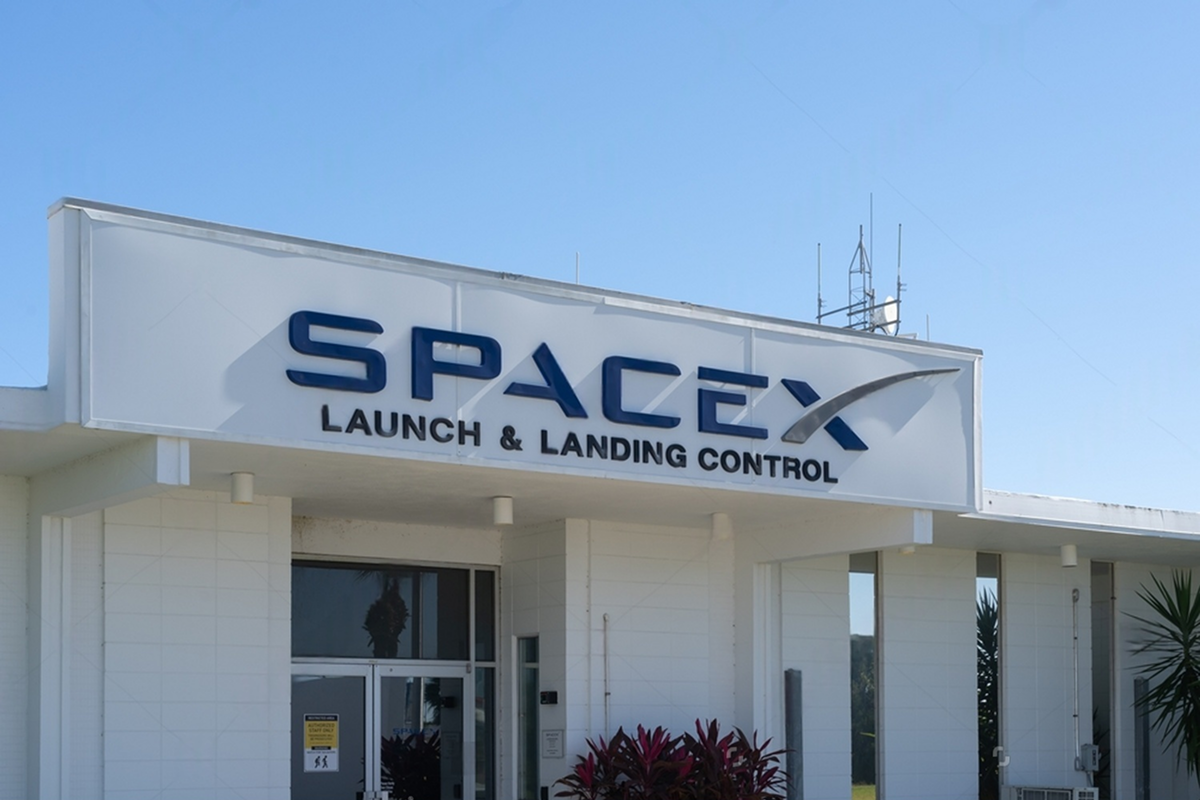
SpaceX has rapidly emerged as one of the most closely watched companies in global markets following its historic public debut. Within days of its IPO, the Elon Musk-led aerospace and technology company surpassed Amazon in market capitalization and briefly traded above Microsoft, placing it among the world’s most valuable publicly traded businesses. The move highlights investors’ growing appetite for companies positioned at the intersection of space infrastructure, artificial intelligence, and next-generation communications.
The rally comes at a time when capital markets continue to reward companies associated with transformative technologies. However, SpaceX’s meteoric rise is also raising questions about valuation sustainability and whether market expectations are moving ahead of the company’s current financial fundamentals.
Post-IPO Momentum Drives Historic Valuation Growth
SpaceX shares have experienced extraordinary gains since the company’s record-setting IPO. The stock debuted at $135 per share and subsequently surged, at one point trading above $225, briefly implying a valuation approaching or exceeding $3 trillion. The advance allowed SpaceX to overtake Amazon and, during intraday trading, challenge Microsoft’s position among the largest publicly traded companies in the world.
A major catalyst behind the latest rally was the launch of options trading in SpaceX shares. According to Reuters, more than 500,000 options contracts traded within the first hours of availability, fueling additional speculative activity and increasing liquidity in the stock. The introduction of options often attracts both institutional and retail investors seeking leveraged exposure to rapidly moving equities.
The company’s rapid ascent has also been supported by expectations that it will soon be added to major indices, including the Nasdaq-100 and several global benchmark indices. Such inclusion could generate additional demand from passive investment funds and exchange-traded products that track those benchmarks.
Investors Are Buying More Than a Rocket Company
SpaceX’s valuation reflects investor optimism about multiple business segments rather than its launch operations alone. Beyond rockets and satellite deployment, the company controls the fast-growing Starlink satellite internet network and has significantly expanded its artificial intelligence ambitions following the integration of xAI-related assets. Market participants increasingly view SpaceX as a diversified technology platform rather than a pure aerospace company.
Recent strategic initiatives have reinforced that perception. The company announced a $60 billion stock-based acquisition of AI software developer Anysphere, creator of the coding platform Cursor. The transaction strengthens SpaceX’s AI ecosystem and positions the company to compete more directly in one of the fastest-growing areas of technology investment.
This broader technology narrative helps explain why investors are comparing SpaceX not only to aerospace companies but also to major technology leaders such as Microsoft, Alphabet, and Amazon.
Valuation Questions Remain Despite Investor Enthusiasm
While investor demand has been overwhelming, analysts remain divided on whether current valuations can be justified by the company’s financial performance. Reuters reported that SpaceX generated approximately $18.67 billion in revenue over the past year while recording a loss of roughly $4.94 billion, largely influenced by investments and corporate restructuring related to its AI expansion.
The contrast between current financial results and market valuation has led some analysts to compare SpaceX’s trading behavior to previous momentum-driven technology rallies. Supporters argue that investors are pricing in future opportunities across satellite communications, AI infrastructure, defense contracts, and commercial space operations. Critics counter that execution risks remain substantial and that expectations have become increasingly ambitious.
Looking ahead, investors will be closely monitoring whether SpaceX can convert its enormous market enthusiasm into sustained operational growth. Key factors include progress at Starlink, commercialization of AI initiatives, integration of recent acquisitions, and potential inclusion in major equity indices. For global investors, including those in Israel’s growing aerospace, defense, and technology sectors, SpaceX’s trajectory may serve as an important indicator of how capital markets value next-generation innovation. While the company’s approach toward a $3 trillion valuation underscores extraordinary investor confidence, future performance will likely depend on its ability to deliver financial results that support one of the most ambitious valuations in modern market history.
Comparison, examination, and analysis between investment houses
Leave your details, and an expert from our team will get back to you as soon as possible
* This article, in whole or in part, does not contain any promise of investment returns, nor does it constitute professional advice to make investments in any particular field.
To read more about the full disclaimer, click here
- omer bar
- •
- 8 Min Read
- •
- ago 6 minutes
SKN | Is Microsoft Really a Deep Value Stock? AI Leadership Challenges Traditional Valuation Metrics
Microsoft Corporation is rarely associated with the term "deep value stock." Traditionally, deep value investments are companies trading at
- ago 6 minutes
- •
- 8 Min Read
Microsoft Corporation is rarely associated with the term "deep value stock." Traditionally, deep value investments are companies trading at

- Arik Arkadi Sluzki
- •
- 8 Min Read
- •
- ago 22 minutes
SKN | Apple Set for a Strong Second Half? AI, Services Growth, and Product Cycles Could Drive Momentum
Apple Inc. enters the second half of 2026 facing a critical period for both investors and the broader technology
- ago 22 minutes
- •
- 8 Min Read
Apple Inc. enters the second half of 2026 facing a critical period for both investors and the broader technology

- Lior mor
- •
- 8 Min Read
- •
- ago 38 minutes
SKN | Could Micron Reach New Highs by 2027? AI Demand Fuels Bullish Long-Term Outlook
Micron Technology has emerged as one of the primary beneficiaries of the global artificial intelligence investment cycle. As demand
- ago 38 minutes
- •
- 8 Min Read
Micron Technology has emerged as one of the primary beneficiaries of the global artificial intelligence investment cycle. As demand
- omer bar
- •
- 8 Min Read
- •
- ago 54 minutes
SKN | A 6% Yield on Alphabet? The Income Opportunity Comes With Significant Trade-Offs
Alphabet Inc., the parent company of Google, has become one of the central beneficiaries of the artificial intelligence investment
- ago 54 minutes
- •
- 8 Min Read
Alphabet Inc., the parent company of Google, has become one of the central beneficiaries of the artificial intelligence investment


