




- sagi habasov
- •
- 7 Min Read
- •
- 18 seconds ago


Key Points
- South Korea’s KOSPI fell more than 6% intraday on October 13, extending a selloff in semiconductor shares and briefly dropping below the 6,000-point threshold.
- Samsung Electronics and SK Hynix each lost roughly 8% as concerns mounted over competition from China’s CXMT in the memory-chip market.
- The selloff highlights growing investor uncertainty over AI-related valuations, future chip pricing and the sustainability of returns from the global data-center investment boom.
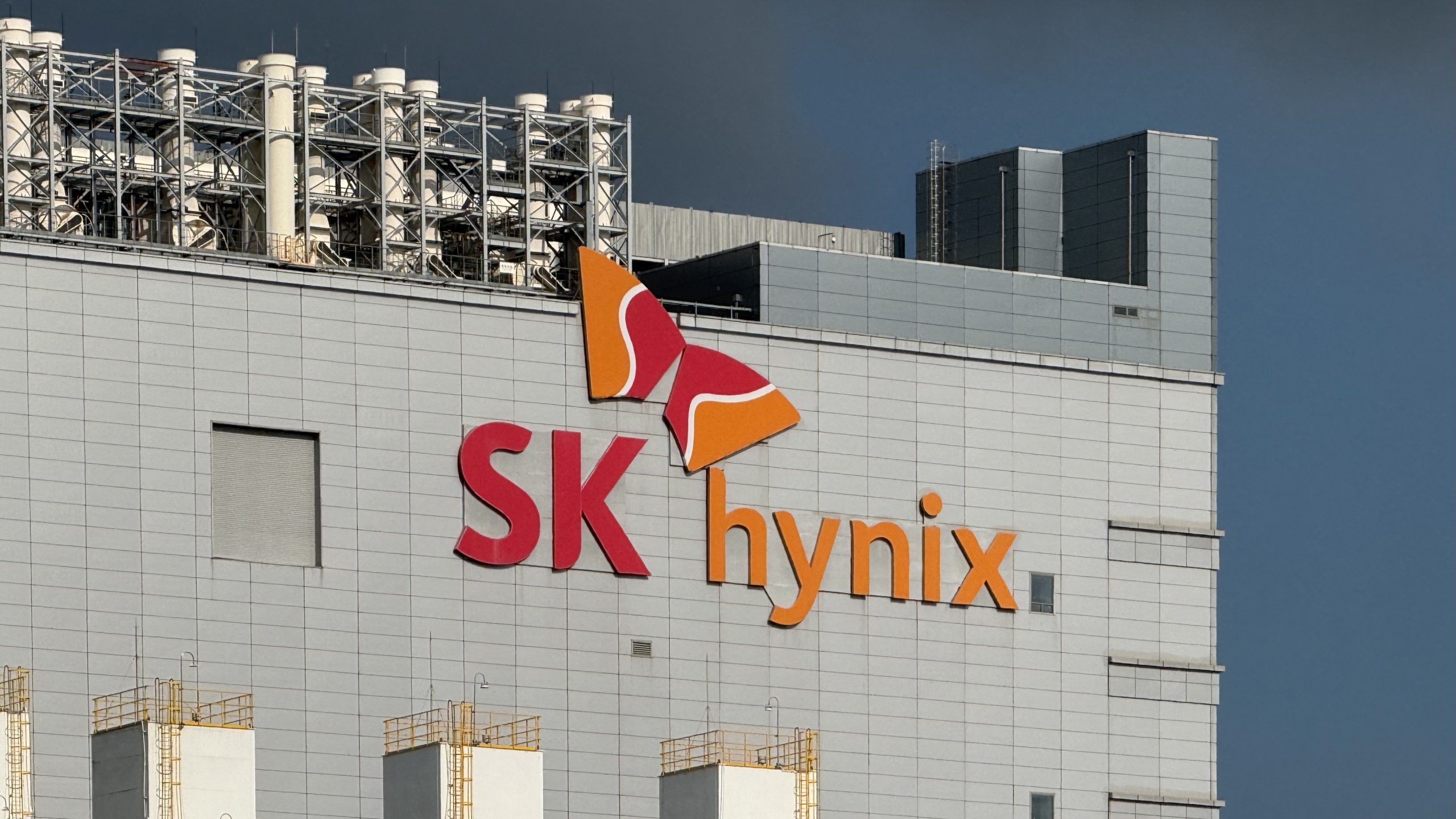
South Korea’s stock market came under renewed pressure on October 13 as a global semiconductor selloff intensified, pushing the benchmark KOSPI down more than 6% during trading. The decline reflects mounting concerns about Chinese competition in memory chips and the possibility that elevated expectations for artificial intelligence-related growth have left the sector vulnerable to disappointment.
Samsung and SK Hynix Lead the Market Decline
Semiconductor stocks drove the downturn in South Korea, where Samsung Electronics and SK Hynix together account for more than half of the stock market’s total capitalization. Both companies fell roughly 8%, extending their losing streaks to five sessions. The KOSPI briefly dropped below 6,000 points, while the technology-heavy KOSDAQ also declined sharply.
Foreign investors contributed to the selling pressure. During the October 13 session, they were net sellers of approximately 1.81 trillion won in shares listed on the main market, according to local market reporting. Domestic retail and institutional investors bought shares, but their purchases were insufficient to offset the outflows.
The scale of the declines reflects South Korea’s exposure to the semiconductor cycle. When memory-chip manufacturers lose investor confidence, their outsized influence on the benchmark index can amplify the impact across the broader market.
Chinese Competition Challenges the Memory-Chip Outlook
A key concern is progress by China’s ChangXin Memory Technologies (CXMT), which has outlined plans to introduce a next-generation server-memory product by the end of 2026. The company has reported advances in memory-cell design intended to store more data in less physical space, raising questions about the competitive position of established manufacturers.
Samsung, SK Hynix and U.S.-based Micron Technology have benefited from rising demand for memory chips as technology companies expand AI data centers. Together, the three manufacturers account for roughly 90% of the global DRAM market, making changes in supply and competition particularly important for industry pricing and profitability.
CXMT’s ambitions do not automatically translate into an immediate shift in market share. Its ability to manufacture advanced products at scale remains an important uncertainty. Nevertheless, investors are increasingly assessing whether additional Chinese capacity could weaken pricing power and margins over time.
AI Optimism Meets Higher Expectations and Market Risk
The semiconductor rally has been supported by expectations that AI infrastructure spending will sustain demand for high-performance computing and memory. However, strong underlying demand does not guarantee that every supplier will maintain its margins or deliver earnings growth in line with market valuations.
The latest decline also reflects weakness beyond South Korea. Semiconductor shares in the United States came under pressure, while other Asian markets, including Japan and Taiwan, recorded losses. That broader pattern suggests investors are reassessing the sector’s outlook rather than reacting solely to developments at individual Korean companies.
Samsung’s preliminary third-quarter results had pointed to record operating profit, yet the positive figures did little to insulate chip stocks from the wider selloff. This illustrates the gap that can emerge between strong reported performance and investor expectations for future growth.
Investors will now watch for further developments in China’s memory-chip production plans, changes in semiconductor pricing, and updates on AI infrastructure spending by major technology companies. Upcoming earnings reports from chipmakers should help clarify whether demand remains strong enough to support current profit expectations. The key question is whether the sector can absorb greater competition and high valuations without a more prolonged adjustment.
Comparison, examination, and analysis between investment houses
Leave your details, and an expert from our team will get back to you as soon as possible
* This article, in whole or in part, does not contain any promise of investment returns, nor does it constitute professional advice to make investments in any particular field.
To read more about the full disclaimer, click here
- Lior mor
- •
- 7 Min Read
- •
- ago 13 hours
SKN | A New Era in Hollywood: Skydance (SKYD) Debuts as a Media Giant — Is Its AI Vision Enough to Win?
Following months of corporate maneuvering, control battles, and industry speculation, David Ellison’s vision of bringing two of Hollywood’s storied studios
- ago 13 hours
- •
- 7 Min Read

Following months of corporate maneuvering, control battles, and industry speculation, David Ellison’s vision of bringing two of Hollywood’s storied studios

- sagi habasov
- •
- 8 Min Read
- •
- ago 2 days
SKN | S&P 500 Market Breadth Weakens: 85% of Stocks Fall at Least 10% From Their Highs Despite Index Gains
The U.S. stock market is showing a sharp divergence between the performance of its headline indexes and the experience
- ago 2 days
- •
- 8 Min Read

The U.S. stock market is showing a sharp divergence between the performance of its headline indexes and the experience

- Ronny Mor
- •
- 8 Min Read
- •
- ago 2 days
SKN | World’s 10 Largest Companies Reach $31.21 Trillion in Combined Market Value as Big Tech Dominates Global Markets
The combined market value of the world's 10 largest companies increased to approximately $31.21 trillion, according to the attached
- ago 2 days
- •
- 8 Min Read

The combined market value of the world's 10 largest companies increased to approximately $31.21 trillion, according to the attached
- sagi habasov
- •
- 7 Min Read
- •
- ago 2 days
SKN | S&P 500 Weekly Review: Constellation Energy Soars as AI Power Demand Reshapes Market Leadership
U.S. equities finished the week ended October 9, 2026, higher, but individual stock performance remained uneven across the S&P
- ago 2 days
- •
- 7 Min Read

U.S. equities finished the week ended October 9, 2026, higher, but individual stock performance remained uneven across the S&P
