


- omer bar
- •
- 8 Min Read
- •
- 20 hours ago
Key Points
- Singapore has disputed U.S. data suggesting the city-state runs a significant trade surplus with the United States.
- The disagreement comes as Washington considers new tariff measures targeting countries with persistent trade imbalances.
- The dispute highlights broader tensions in global trade accounting and supply chain flows in Asia.
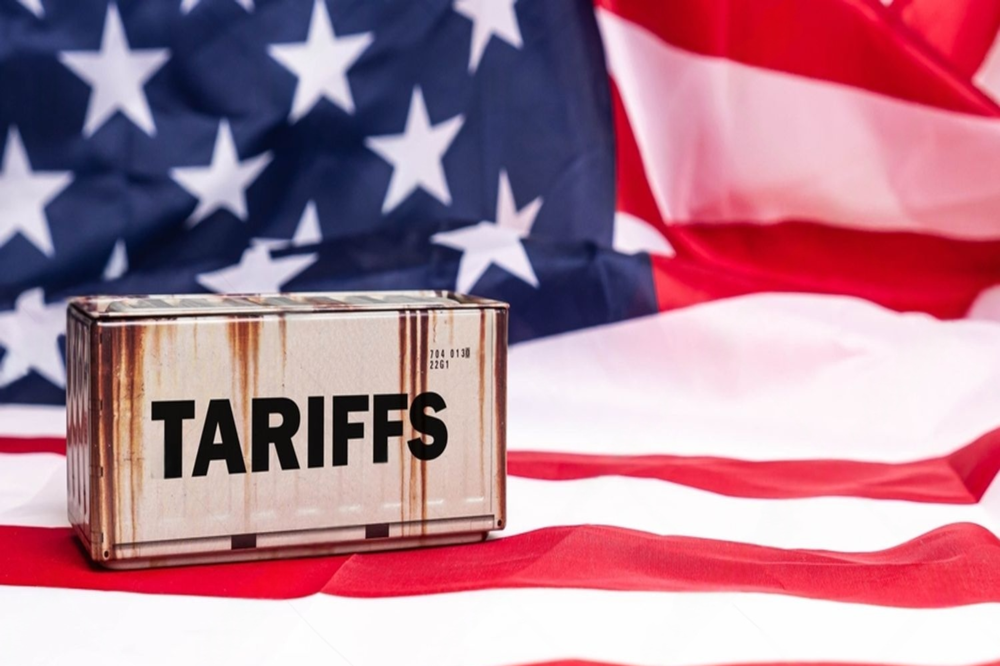
Singapore has pushed back against U.S. trade data that suggests the country maintains a substantial trade surplus with the United States, warning that the figures misrepresent the true structure of bilateral trade. The dispute arrives at a sensitive moment as Washington considers potential tariff actions aimed at narrowing trade imbalances with several global partners.
For global investors, the disagreement underscores growing scrutiny over trade flows, supply chains, and the geopolitical risks shaping international commerce.
Singapore Disputes U.S. Trade Accounting
Singaporean officials argue that U.S. statistics fail to accurately reflect the complex nature of modern global supply chains. According to Singapore’s Ministry of Trade and Industry, many goods exported from Singapore to the United States include components originally produced in other countries, meaning the final export value can overstate the city-state’s economic contribution.
Singapore’s government has pointed out that its own data shows a much smaller surplus with the United States, and in some years even a deficit when services and investment flows are considered. The discrepancy highlights the methodological differences between how governments track goods trade and how value is distributed across international production networks.
The United States Census Bureau has historically recorded trade flows based on the country of final shipment rather than the origin of value added. This accounting method can inflate surpluses for trade hubs such as Singapore, which acts as a major logistics and re-export center for Southeast Asia.
Tariff Threat Raises Economic Concerns
The timing of the dispute is particularly important as Washington reviews trade policies aimed at reducing persistent deficits. Policymakers in the United States have increasingly focused on trade balances when assessing tariff measures or broader trade negotiations.
If Singapore were to be included in any tariff framework targeting trade surpluses, analysts say the move could complicate economic relations between the two countries. The United States and Singapore have maintained a long-standing free trade agreement since 2004, which has supported strong investment and trade ties between the two economies.
Singapore plays a crucial role in global supply chains, particularly in sectors such as semiconductors, pharmaceuticals, and advanced manufacturing. Any disruption to trade flows between the two economies could ripple across multinational companies that rely on Singapore as a regional logistics and technology hub.
For export-driven economies across Asia, the situation is also being closely watched as it may signal a broader shift toward stricter trade enforcement by the United States.
Global Supply Chains and Trade Data Under Scrutiny
The disagreement reflects a broader challenge in measuring trade in an era dominated by complex global supply chains. Many products assembled in one country contain components sourced from multiple regions, making it difficult to determine where the economic value is truly generated.
Economists have increasingly highlighted the importance of measuring “value-added trade,” which attempts to track how much economic activity each country contributes to a final product. Under this approach, countries that act primarily as logistics hubs or assembly centers may appear to run smaller trade surpluses than traditional statistics suggest.
Singapore’s role as one of the world’s busiest ports and financial centers means it frequently serves as a gateway for goods moving between Asia, Europe, and North America. As a result, official trade balances can sometimes exaggerate the scale of bilateral surpluses or deficits.
The issue is not unique to Singapore. Similar debates have occurred in past years involving countries such as Vietnam, Mexico, and South Korea, all of which serve as major nodes in global manufacturing networks.
Trade Policy Risks Remain on the Horizon
Looking ahead, investors will be closely monitoring how U.S. policymakers interpret trade data when shaping future tariff decisions. The outcome of the dispute could influence how trade balances are evaluated for other export-oriented economies in Asia.
For multinational corporations operating across regional supply chains, clarity around trade rules will be critical. Any shift toward broader tariff measures could alter production strategies, investment flows, and logistics networks across the region.
At the same time, Singapore is likely to continue emphasizing its role as a neutral trade hub and advocate for open global commerce. As geopolitical tensions increasingly intersect with trade policy, the debate over how to measure and interpret trade surpluses may become a defining issue in global economic relations.
Comparison, examination, and analysis between investment houses
Leave your details, and an expert from our team will get back to you as soon as possible
* This article, in whole or in part, does not contain any promise of investment returns, nor does it constitute professional advice to make investments in any particular field.
To read more about the full disclaimer, click here
- sagi habasov
- •
- 6 Min Read
- •
- ago 10 hours
SKN | Why Vietnam Has Become the Largest Trade Surplus Holder With the United States
Vietnam has emerged as the country with the largest trade surplus with the United States, surpassing both Mexico and China
- ago 10 hours
- •
- 6 Min Read
Vietnam has emerged as the country with the largest trade surplus with the United States, surpassing both Mexico and China

- orshu
- •
- 7 Min Read
- •
- ago 1 day
SKN | European Stocks Fall as Oil Price Surge Fuels Inflation Concerns and Renewed Rate-Hike Expectations
European equity markets ended the session lower as a surge in global oil prices triggered renewed concerns about inflation
- ago 1 day
- •
- 7 Min Read

European equity markets ended the session lower as a surge in global oil prices triggered renewed concerns about inflation
- sagi habasov
- •
- 6 Min Read
- •
- ago 1 day
SKN | Will the Federal Reserve Hold Interest Rates Steady as Oil Prices Threaten to Reignite Inflation?
The Federal Reserve is widely expected to keep interest rates unchanged at its upcoming policy meeting as policymakers weigh cooling
- ago 1 day
- •
- 6 Min Read
The Federal Reserve is widely expected to keep interest rates unchanged at its upcoming policy meeting as policymakers weigh cooling

- Lior mor
- •
- 7 Min Read
- •
- ago 2 days
SKN | $1 Billion Drop in U.S. Tariff Revenue Raises New Questions About Trade Policy and Global Supply Chains
U.S. tariff revenue declined sharply in February following a Supreme Court ruling that limited the scope of broad import
- ago 2 days
- •
- 7 Min Read
U.S. tariff revenue declined sharply in February following a Supreme Court ruling that limited the scope of broad import

