





- Arik Arkadi Sluzki
- •
- 7 Min Read
- •
- 17 seconds ago


Key Points
- The U.S. Securities and Exchange Commission (SEC) has reportedly subpoenaed Goldman Sachs, JPMorgan Chase, Citigroup, and Bank of America over their dealings with AI-focused hedge fund Situational Awareness.
- The fund suffered a reported 67% decline in portfolio value in July after leveraged positions in AI-linked stocks came under severe pressure, triggering margin calls and forced selling.
- The regulatory inquiry highlights broader concerns surrounding leverage, concentrated AI exposure, financing practices, and systemic market risk, although no wrongdoing has been established.
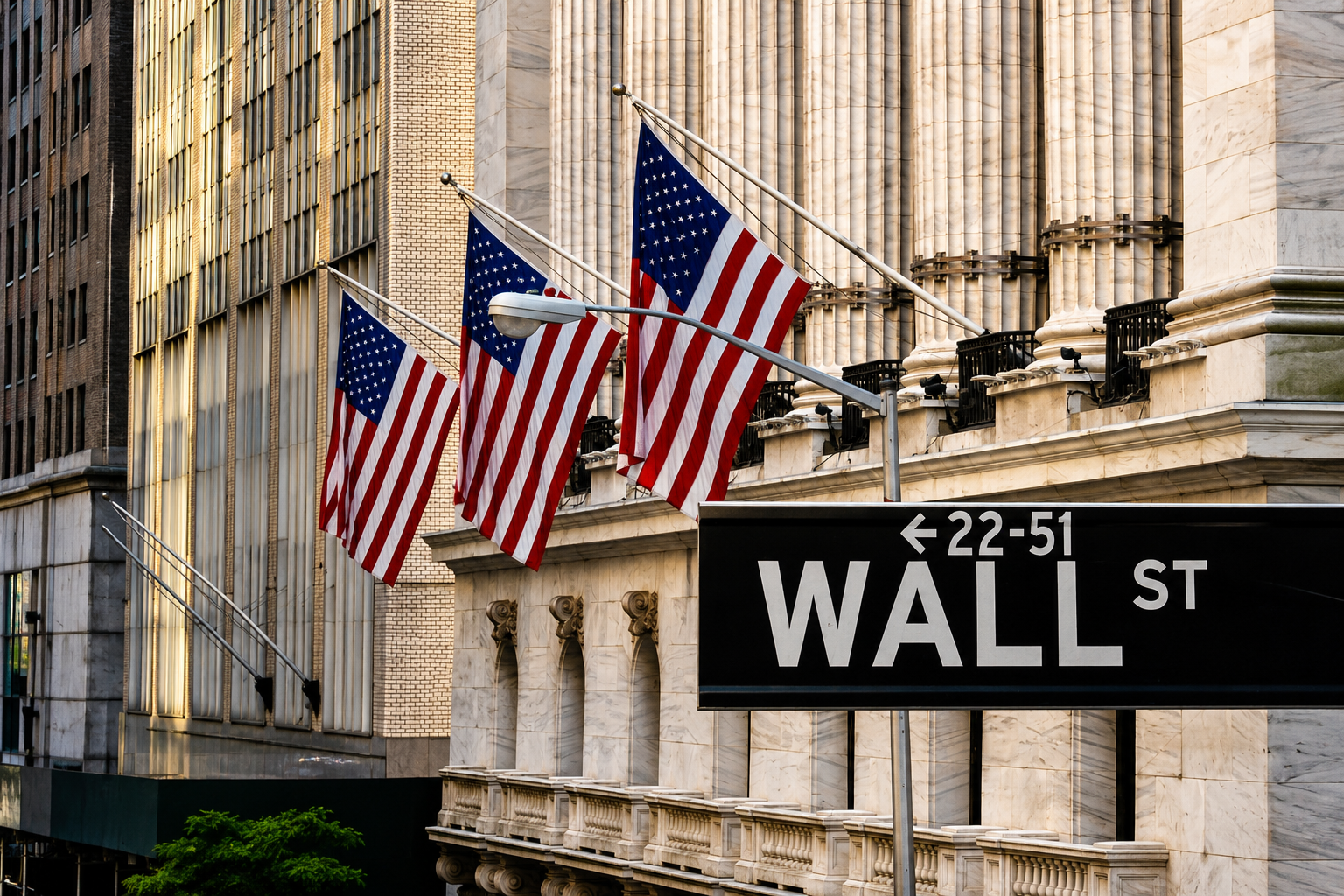
The reported SEC investigation into Situational Awareness, an AI-focused hedge fund that nearly collapsed during July’s technology-stock selloff, is placing renewed attention on the relationship between leverage, prime-broker financing, and concentrated exposure to the artificial-intelligence investment theme. The regulator has reportedly sought information from major Wall Street banks concerning the fund’s trading activity and communications with lenders, adding a regulatory dimension to an episode that already exposed the risks of rapid growth in highly leveraged strategies.
SEC Examines Trading and Financing Activity
According to reports, the SEC’s subpoenas seek information regarding the timing of Situational Awareness’ trades and its communications with banks about the amount of borrowed capital supporting its positions. Goldman Sachs, JPMorgan Chase, Citigroup, and Bank of America have been identified among the institutions receiving requests. The inquiry remains at an early stage, and an SEC investigation or subpoena does not establish wrongdoing or guarantee enforcement action.
The regulatory interest follows an unusually sharp reversal in the fund’s fortunes. Situational Awareness, founded by former OpenAI researcher Leopold Aschenbrenner, accumulated significant exposure to AI-related companies and reportedly managed more than $20 billion at one stage while employing substantial leverage. During July’s technology selloff, the fund faced margin calls and was forced to unwind much of its publicly traded portfolio. Reuters reported that approximately 67% of its portfolio value was wiped out during July.
Forced Selling Highlights Leverage Risk
The episode illustrates how leverage can transform a conventional equity-market correction into a much more severe liquidity event. When falling asset prices trigger margin requirements, a fund may have limited flexibility to wait for valuations to recover, potentially forcing sales into already weakening markets. Situational Awareness ultimately sold most of its public-equity positions to Citadel, which stepped in during the fund’s emergency restructuring.
For global investors, the case is relevant beyond one hedge fund because it demonstrates how concentrated positions in AI infrastructure, semiconductor, and technology stocks can create interconnected risks when financing conditions change rapidly. The July episode also raises questions about how prime brokers assess collateral, leverage limits, liquidity and concentration when financing fast-growing investment strategies.
Implications for AI Markets and Israeli Investors
The regulatory scrutiny does not necessarily challenge the underlying long-term investment case for artificial intelligence. Instead, it could encourage greater differentiation between AI-related corporate fundamentals and highly leveraged financial positioning around the sector. For institutional investors in Israel and elsewhere, that distinction is important as exposure to U.S. technology companies increasingly forms part of international portfolios and pension allocations.
The episode may also encourage closer monitoring of leverage across hedge funds and other market participants, particularly if AI-related valuations remain elevated. Higher financing costs, abrupt changes in risk appetite, or another sharp semiconductor correction could amplify volatility even when the long-term fundamentals of artificial intelligence remain intact.
Outlook: The next stage of the SEC inquiry will be closely watched for indications of whether the regulator’s review remains focused on information gathering or develops into a broader examination of trading, disclosure, financing, or risk-management practices. For markets, the more immediate issue is whether the Situational Awareness episode proves isolated or exposes wider concentrations of leveraged AI exposure across the financial system. Continued strength in corporate AI earnings and investment could support the sector, but leverage, liquidity conditions, valuation risk, and potential regulatory scrutiny remain important downside factors. For Israeli and global asset allocators, the episode reinforces the value of distinguishing durable AI fundamentals from the potentially more fragile financing structures surrounding the trade.
Comparison, examination, and analysis between investment houses
Leave your details, and an expert from our team will get back to you as soon as possible
* This article, in whole or in part, does not contain any promise of investment returns, nor does it constitute professional advice to make investments in any particular field.
To read more about the full disclaimer, click here
- orshu
- •
- 9 Min Read
- •
- ago 6 hours
SKN | Tel Aviv Stocks Edge Higher as TA-35 Gains 0.27% and Broader Market Breadth Improves
Tel Aviv financial markets are trading with a moderately positive bias, reversing part of the weakness seen in the previous
- ago 6 hours
- •
- 9 Min Read

Tel Aviv financial markets are trading with a moderately positive bias, reversing part of the weakness seen in the previous
- orshu
- •
- 8 Min Read
- •
- ago 10 hours
SKN | Global Markets Wrap: August 24, 2026 Stocks Slide Across Regions as Asian Equities Lead Losses – Outlook Ahead of August 25 Trading
Global markets closed August 24, 2026, under broad pressure, with weakness concentrated across Asian and Tel Aviv equities. U.S. benchmarks
- ago 10 hours
- •
- 8 Min Read
Global markets closed August 24, 2026, under broad pressure, with weakness concentrated across Asian and Tel Aviv equities. U.S. benchmarks

- Ronny Mor
- •
- 9 Min Read
- •
- ago 13 hours
SKN | Asian Markets Fall on August 25 as South Korea and Hong Kong Lead Regional Declines
Asian equity markets traded mostly lower during Tuesday morning’s session on August 25, with South Korea and Hong Kong recording
- ago 13 hours
- •
- 9 Min Read

Asian equity markets traded mostly lower during Tuesday morning’s session on August 25, with South Korea and Hong Kong recording

- Arik Arkadi Sluzki
- •
- 6 Min Read
- •
- ago 15 hours
SKN | Oil Prices Fall Despite New Iran Sanctions as Markets Assess Supply Risks
Oil prices fell more than $2 a barrel on Monday despite an expansion of U.S. sanctions targeting Iran, as
- ago 15 hours
- •
- 6 Min Read

Oil prices fell more than $2 a barrel on Monday despite an expansion of U.S. sanctions targeting Iran, as

