


- Lior mor
- •
- 18 Min Read
- •
- 4 months ago
Key Points
- Stock exchanges warn that allowing crypto companies to bypass SEC rules could undermine investor protection and market integrity.
- Regulators stress that fairness, transparency, and accountability must apply to crypto firms just as they do to traditional financial institutions.
- Crypto innovation can thrive within clear regulatory frameworks that support compliance, investor confidence, and market stability.
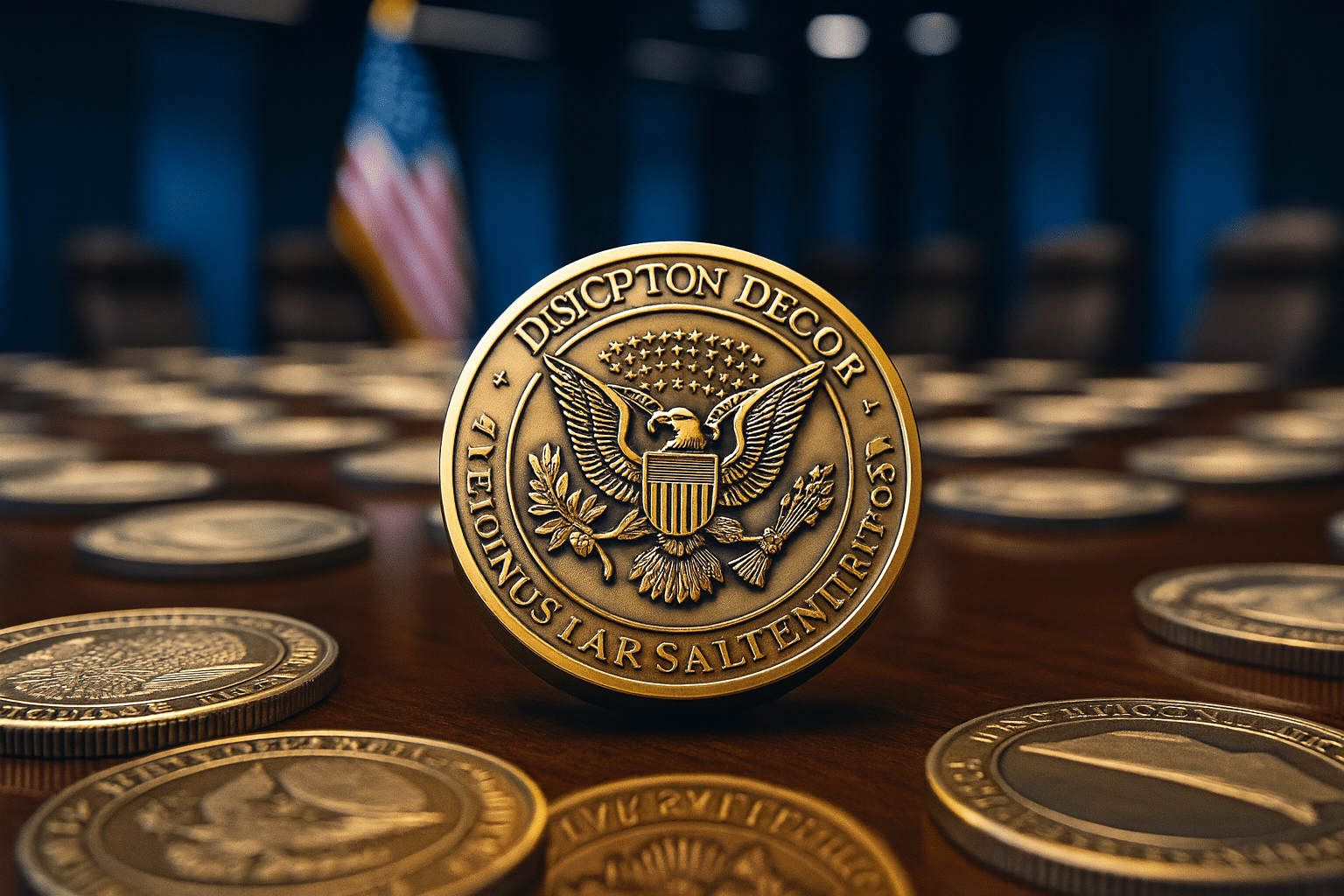
The Importance of Regulatory Compliance: Why the SEC Must Not Let Crypto Companies ‘Bypass’ Rules
The rise of cryptocurrency has transformed the financial landscape. As new digital assets emerge, concerns about regulation and compliance have come to the forefront. The Securities and Exchange Commission (SEC) holds a vital role in ensuring that financial markets operate fairly and transparently. Therefore, it is crucial for the SEC to maintain a firm stance against allowing crypto companies to bypass established rules.
Regulatory compliance serves as a backbone for a healthy financial market. When companies adhere to these regulations, they help establish trust among investors and consumers. Here are several reasons why allowing crypto companies to bypass rules would be detrimental:
-
Investor Protection: Regulations are designed to protect investors from fraud and manipulation. Without such protections, inexperienced investors may fall victim to schemes that take advantage of their lack of knowledge.
-
Market Integrity: Compliance ensures market stability by promoting fairness and transparency. If companies are allowed to circumvent rules, it could lead to market volatility and decreased investor confidence.
-
Level Playing Field: Regulatory frameworks aim to create a level playing field for all market participants. By ensuring that all companies, including crypto firms, follow the same rules, the SEC fosters fair competition.
-
Clarity for Innovation: While some argue that regulations stifle innovation, clear guidelines can actually encourage it. When companies know the rules, they can innovate confidently within a clearly defined framework.
-
International Standards: The global nature of crypto markets means that inconsistent regulations can create significant challenges. If the SEC allows U.S. companies to bypass rules, it may lead to a fragmented regulatory environment that hampers global collaboration.
One particular concern with bypassing regulatory requirements is the increased risk of fraudulent activities. The lack of oversight can create an environment ripe for scams, which not only harms individuals but also tarnishes the reputation of the entire crypto industry. As the SEC emphasizes, maintaining strong compliance measures is necessary to safeguard against these potential threats.
Moreover, a relaxed approach to regulation could attract bad actors into the market. Unscrupulous individuals may exploit loopholes, leading to an unsafe environment for investors. This notion is further emphasized by the SEC’s recent actions against companies that have misled investors and operated without proper licensing. By ensuring that all crypto firms follow established guidelines, the SEC can actively help to protect investors from these risks.
The technology underlying cryptocurrencies may be innovative, but it does not exempt it from traditional regulatory scrutiny. The principles of fairness, accountability, and transparency still apply. Investors deserve access to accurate information about the assets they are investing in, and regulations help ensure that companies provide that information. When firms are required to adhere to specific guidelines, it strengthens the investor’s ability to make informed choices.
Collaboration between regulatory agencies and crypto companies can yield positive benefits. Instead of viewing regulations as a hindrance, both parties can engage in constructive dialogue. This can lead to the development of rules that embrace innovation while maintaining essential consumer protections. For example, initiatives that promote responsible innovation can empower crypto businesses to operate within a framework that supports both growth and security.
Keeping the regulatory landscape up to date plays a crucial role in the evolution of the crypto market. As technology progresses, regulations must adapt accordingly. The SEC must work diligently to ensure that existing rules remain relevant, allowing businesses to thrive without compromising on compliance. This active engagement equips the SEC to tackle emerging issues effectively, staying ahead of potential risks.
The SEC’s commitment to enforcing compliance is essential in maintaining a robust and trustworthy financial system. By preventing crypto companies from bypassing regulations, the SEC lays the groundwork for a future where innovation can flourish safely. Upholding these principles not only fortifies investor confidence but also promotes the overall health and integrity of the financial markets.
The Future of Stock Exchanges: Navigating the Challenges of Crypto Regulation and Market Integrity
The landscape of financial trading is changing rapidly as cryptocurrency continues to grow in popularity. As traditional stock exchanges consider how to incorporate these digital assets, they face significant challenges. Most notably, the call for regulation becomes even louder. It is crucial for stock exchanges and regulatory bodies to navigate the complexities of crypto regulation while maintaining market integrity.
Understanding the Regulatory Landscape
The regulatory environment for cryptocurrencies is currently fragmented. Different countries are taking distinct approaches, leading to a lack of clarity for digital asset users and platforms. Here are some key points to consider:
-
Varied Regulations: Countries like the United States and Japan have implemented comprehensive frameworks, while others have minimal guidelines.
-
Rapid Evolution: As the tech evolves, so do regulations, creating a moving target for compliance.
-
Global Trends: Countries are now collaborating more to establish international regulatory norms, influencing how exchanges operate.
The Concerns of Stock Exchanges
Stock exchanges are understandably cautious about how cryptocurrencies are traded. Their reputation hinges on their ability to provide a fair and secure trading environment, making regulatory compliance essential. Here’s why:
-
Market Manipulation: Unlike traditional markets, crypto markets can exhibit extreme volatility. Stock exchanges worry that without stringent regulations, these markets can become playgrounds for manipulation.
-
Investor Protection: Investors deserve a secure trading environment. Stock exchanges are pushing for regulations that protect users from fraud and ensure transparency.
-
Equity with Securities: Stocks and cryptocurrencies are often perceived differently, yet their functionality can overlap. Establishing fair rules will help create a balanced trading field.
Challenges in Regulation Enforcement
One of the pressing concerns among stock exchanges is the enforcement of regulations. With numerous players in the crypto space, some companies may attempt to bypass adherence to rules. This behavior could undermine market integrity and investor trust. Some significant challenges include:
-
Decentralization: Cryptocurrencies operate on decentralized networks, making them resistant to centralized control and oversight.
-
Rapid Innovation: The pace at which new digital assets and trading platforms emerge makes it tough for regulations to catch up.
-
Cross-Border Issues: Many crypto companies operate internationally, complicating enforcement efforts for single-country regulations.
The Way Forward for Stock Exchanges
To effectively address the challenges posed by cryptocurrencies, stock exchanges need to develop comprehensive strategies. Here are a few approaches worth considering:
-
Collaboration with Regulators: Stock exchanges should work closely with regulatory bodies to shape effective frameworks that promote innovation while ensuring investor protection.
-
Implementing Best Practices: Learning from experienced peers, exchanges can implement industry best practices for transparency and security.
-
Education for Investors: Stock exchanges can play a crucial role in ensuring that investors are well informed about the risks involved in trading cryptocurrencies.
The future of stock exchanges hinges on efficiently navigating the challenges posed by cryptocurrency regulation and the need for market integrity. With regulators pushing back against potential bypass methods used by crypto companies, it is essential for the financial community to find common ground. As the landscape evolves, ensuring that both traditional and digital assets can coexist in a regulated environment is vital for the trust and confidence of investors willing to engage in this new frontier.
As the dialogue continues, stock exchanges must adapt strategically to the emergence of cryptocurrencies. Engaging with regulators, equipping investors with knowledge, and fostering an environment where innovation can thrive is paramount. The path forward is not just about navigating challenges—it’s about embracing opportunities that cryptocurrency presents for the future of finance.
Conclusion
The evolving landscape of cryptocurrency presents both exciting opportunities and significant challenges for regulators and stock exchanges alike. As the SEC plays a crucial role in maintaining market integrity, it is essential that crypto companies operate within established rules. Allowing any entity to bypass regulations can undermine the trust that investors have in both traditional and digital markets. Regulatory compliance not only protects investors but also fosters a healthier ecosystem where innovation can thrive without jeopardizing fundamental principles of fairness and transparency.
Stock exchanges are at a pivotal juncture, grappling with how to adapt their operations to accommodate the rise of digital currencies while ensuring compliance with rigorous standards. A proactive approach to regulatory compliance is vital. By establishing clear frameworks that govern how cryptocurrencies interact with conventional financial markets, stock exchanges can not only safeguard investor interests but also pave the way for a more robust infrastructure.
Moreover, as investors increasingly turn to crypto assets, the regulations that govern these transactions must evolve as well. An inclusive regulatory approach will help clarify the roles of various players in the market, creating a sustainable environment where cryptocurrencies and traditional investments can coexist.
Ultimately, the SEC’s commitment to enforcing rules prevents the potential manipulation of the market and cultivates investor confidence. Maintaining these standards is not just about compliance; it’s about building a secure and stable future for all participants in the financial landscape, ensuring that innovation does not come at the expense of accountability and integrity. The balanced approach to cryptocurrency regulation will be crucial in shaping a future where both stock exchanges and crypto companies can thrive under a unified framework.
Comparison, examination, and analysis between investment houses
Leave your details, and an expert from our team will get back to you as soon as possible
* This article, in whole or in part, does not contain any promise of investment returns, nor does it constitute professional advice to make investments in any particular field.
To read more about the full disclaimer, click here
- orshu
- •
- 6 Min Read
- •
- ago 15 hours
SKN | Tel Aviv Indices Retreat as Investors Weigh Economic Signals and Sector Pressures
The Tel Aviv shווקי opened lower as investors navigated mixed economic signals and sector-specific pressures. The TA-35 led the declines,
- ago 15 hours
- •
- 6 Min Read

The Tel Aviv shווקי opened lower as investors navigated mixed economic signals and sector-specific pressures. The TA-35 led the declines,
- orshu
- •
- 7 Min Read
- •
- ago 20 hours
SKN | Global Growth Resilience and Critical Inflation Data to Anchor Final Trading Week of Q1
The global financial markets enter the final full trading week of March 2026 with a dual focus on consolidating recent
- ago 20 hours
- •
- 7 Min Read
The global financial markets enter the final full trading week of March 2026 with a dual focus on consolidating recent

- sagi habasov
- •
- 6 Min Read
- •
- ago 21 hours
SKN | Stocks and Treasuries Slide as Iran Tensions Escalate: Market Wrap
Equity and bond markets fell as renewed conflict fears between the United States and Iran weighed on investor sentiment. The
- ago 21 hours
- •
- 6 Min Read

Equity and bond markets fell as renewed conflict fears between the United States and Iran weighed on investor sentiment. The
- sagi habasov
- •
- 6 Min Read
- •
- ago 22 hours
SKN | Asian Markets Open Lower with Tech and Export Stocks Under Pressure
Asian equities opened lower on Monday, March 23, as investors assessed mixed economic signals and weighed currency pressures against regional
- ago 22 hours
- •
- 6 Min Read

Asian equities opened lower on Monday, March 23, as investors assessed mixed economic signals and weighed currency pressures against regional

