


- Ronny Mor
- •
- 7 Min Read
- •
- 7 seconds ago
Key Points
- Samsung Electronics exceeded consensus profit estimates, driven by stronger‑than‑expected AI semiconductor sales.
- Demand resilience in AI and data center chips countered regional trade tensions and broader macro volatility.
- Sustained investment in advanced nodes could position Samsung as a strategic supplier but also raises competitive and supply chain risks.
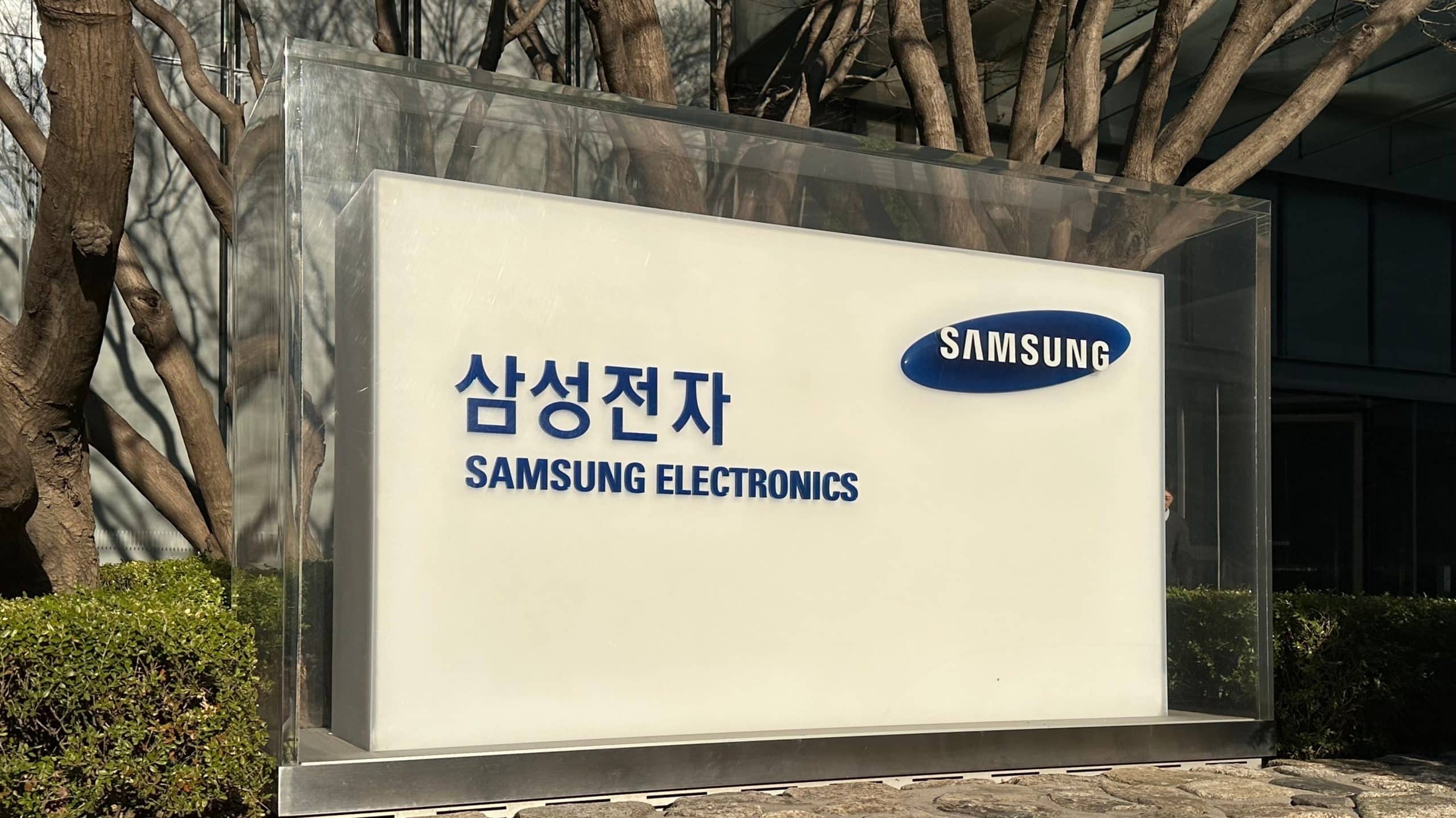
Samsung Electronics reported financial results that outpaced analyst expectations, as demand for artificial intelligence (AI) semiconductors and related memory products remained robust even in the face of geopolitical uncertainties. The company’s performance underscores how AI‑driven demand is reshaping the semiconductor landscape, with implications for global supply chains, investment flows, and technology competition.
AI Chip Strength Bolsters Earnings
Samsung’s latest quarterly financials revealed revenues and operating profit that topped street forecasts, with semiconductor sales cited as the primary driver. According to industry data, AI‑related chip shipments and orders from hyperscale data center customers grew substantially, supporting both logic and memory segments. Dynamic Random Access Memory (DRAM) prices, which had been under pressure for several quarters, showed signs of stabilization, in part due to increased allocations for AI tasks that require high‑bandwidth memory. This helped Samsung narrow the gap with competitors in the memory space and contributed to a profit beat.
The strength in AI chips also reflected a broader rebalancing of demand from consumer electronics toward enterprise and cloud use cases, where Samsung has been strategically expanding its footprint. While the company remains the world’s largest producer of memory semiconductors, its newer logic and packaging technologies are gaining traction among OEMs seeking diversified supply bases outside of traditional incumbents.
Market Reaction and Macro Considerations
Global equity markets reacted positively to Samsung’s results, with Asian technology indices showing gains on the back of the announcement. Investors in technology stocks have been closely monitoring how major chipmakers navigate macroeconomic headwinds, including slowing PC sales and inventory adjustments. Samsung’s results provided evidence that demand for AI infrastructure chips can offset weakness in legacy segments, a trend that has also been visible in the quarterly reports of other semiconductor leaders.
However, geopolitical tensions—particularly between major trading partners in East Asia—remain a persistent risk factor. Trade policies and export controls related to advanced chipmaking and wafer production have introduced complexity into supply chain planning. For globally diversified investors, the takeaway is that semiconductor earnings are increasingly influenced not just by cyclical hardware demand but by strategic technology deployment in AI, cloud computing, and edge applications.
Strategic Implications for Technology Supply Chains
Samsung’s emphasis on next‑generation process nodes and custom AI accelerators signals its intent to compete beyond commodity memory markets. Investments in 3nm and below logic processes, as well as advanced packaging technologies, are aimed at capturing a larger share of high‑value semiconductor segments. For Israeli and global institutional investors, this evolution underscores the importance of tracking corporate CapEx trends and end‑market diversification strategies.
At the same time, the competitive landscape is intensifying. Rivals in Taiwan, the U.S., and China are also investing heavily in AI chip capabilities, while industry consolidation pressures may accelerate as companies seek scale advantages. Supply chain resilience remains a central theme, with companies hedging against geopolitical disruption by diversifying manufacturing footprints and securing long‑term supply agreements.
Looking ahead, semiconductor demand dynamics will continue to hinge on the pace of AI deployment, capital expenditure cycles, and policy developments affecting cross‑border technology flows. Key indicators to watch include memory price trends, inventory levels in enterprise channels, and geopolitical developments that could reshape access to critical manufacturing inputs.
Comparison, examination, and analysis between investment houses
Leave your details, and an expert from our team will get back to you as soon as possible
* This article, in whole or in part, does not contain any promise of investment returns, nor does it constitute professional advice to make investments in any particular field.
To read more about the full disclaimer, click here
- orshu
- •
- 6 Min Read
- •
- ago 1 hour
SKN | Global Markets Recap: April 6, 2026 Performance and Outlook for April 7
The global market landscape on April 6, 2026, showed steady recovery after holiday closures in multiple regions. U.S. indices edged
- ago 1 hour
- •
- 6 Min Read
The global market landscape on April 6, 2026, showed steady recovery after holiday closures in multiple regions. U.S. indices edged

- sagi habasov
- •
- 9 Min Read
- •
- ago 4 hours
SKN | Asian Markets Rally in Tuesday Morning Session as Korea and Australia Lead Gains While China Remains Under Pressure
Asian equity markets opened Tuesday, April 7 with broadly positive momentum across much of the region, as investors returned to
- ago 4 hours
- •
- 9 Min Read

Asian equity markets opened Tuesday, April 7 with broadly positive momentum across much of the region, as investors returned to

- omer bar
- •
- 7 Min Read
- •
- ago 6 hours
SKN | Is the Nasdaq’s Rally Built to Last—or Is Momentum Starting to Fade?
The Nasdaq Composite (^IXIC) advanced 0.39% to 21,963.70, maintaining its position near recent highs as technology stocks continue to lead
- ago 6 hours
- •
- 7 Min Read

The Nasdaq Composite (^IXIC) advanced 0.39% to 21,963.70, maintaining its position near recent highs as technology stocks continue to lead

- Lior mor
- •
- 7 Min Read
- •
- ago 7 hours
SKN | Are Markets Underestimating Risk as Stocks Rise on Iran Ceasefire Hopes?
The U.S. stock market posted modest gains as investors clung to hopes of a last-minute ceasefire between Washington and Tehran,
- ago 7 hours
- •
- 7 Min Read
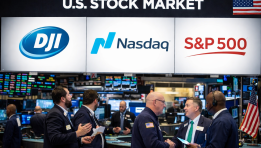
The U.S. stock market posted modest gains as investors clung to hopes of a last-minute ceasefire between Washington and Tehran,

