


- Ronny Mor
- •
- 5 Min Read
- •
- 18 seconds ago
Key Points
- Autonomous delivery could reduce costs to as low as $1 per order.
- Current costs already undercut traditional delivery by $3 to $4 per order.
- Barclays estimates a $16 billion annual profit opportunity from automation.
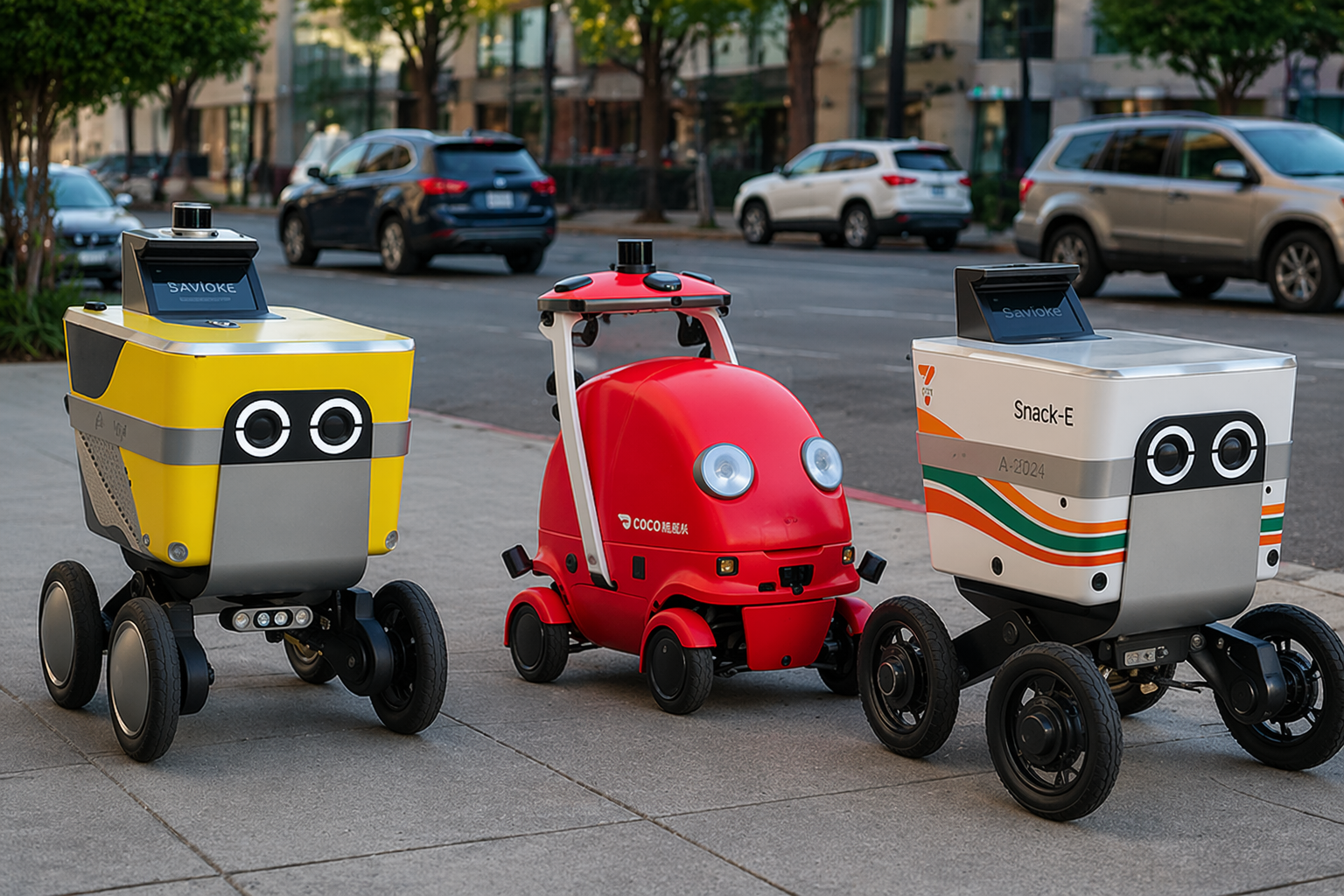
Autonomous delivery robots and drones are rapidly emerging as a transformative force in the global food delivery industry. According to Barclays, these technologies could reduce delivery costs to as low as $1 per order over time, creating a significant shift in industry economics and unlocking billions of dollars in potential profits.
This marks a clear strategic transition as platforms begin to prioritize automation to improve efficiency and margins.
From $7 to $1: The Cost Revolution
Currently, autonomous delivery costs range between $5 and $7 per order in early-stage markets with high labor costs. Even at this stage, automation is already cheaper than traditional rider-based delivery by approximately $3 to $4 per order.
Looking ahead, Barclays estimates that costs could fall dramatically to around $1 per delivery. This would translate into savings of roughly $8 to $9 per order compared to conventional delivery models, fundamentally reshaping cost structures across the industry.
Billions in Profit Potential
The financial implications are substantial. With an estimated $4 in savings per delivery at scale, Barclays projects that autonomous delivery could generate up to $16 billion in annual global profitability for food delivery platforms.
This potential profit pool highlights why companies are aggressively exploring automation despite the technology still being in its early stages.
Adoption Still Early but Growing Fast
Autonomous delivery remains in its infancy, accounting for less than 1% of global food delivery orders today. However, adoption is expected to accelerate steadily, reaching around 2% by the end of the decade and climbing to approximately 10% by 2035.
As technology improves and regulatory frameworks evolve, penetration rates are likely to increase further, supporting long-term industry transformation.
Key Winners in the Automation Shift
Barclays identifies several companies positioned to benefit from this shift. DoorDash and Meituan are seen as near-term leaders due to early deployment efforts, strong platform investments, and exposure to high labor-cost markets where automation offers the greatest advantage. Uber is also considered well-positioned as it expands its autonomous delivery initiatives, while Prosus is viewed as a long-term beneficiary given its investments in global delivery platforms. Meanwhile, Delivery Hero, its Middle East unit Talabat, and Southeast Asia’s Grab are expected to benefit over the medium to long term as automation efforts scale beyond pilot programs.
Final Take
Autonomous delivery is no longer a distant concept—it is becoming a core strategic priority for food delivery platforms worldwide. As costs decline and adoption rises, robots and drones could fundamentally reshape the industry’s economics, turning logistics from a cost center into a major profit driver.
Comparison, examination, and analysis between investment houses
Leave your details, and an expert from our team will get back to you as soon as possible
* This article, in whole or in part, does not contain any promise of investment returns, nor does it constitute professional advice to make investments in any particular field.
To read more about the full disclaimer, click here
- omer bar
- •
- 5 Min Read
- •
- ago 47 minutes
SKN | Sivers and Jabil Push Next-Gen AI Infrastructure with 1.6T Optical Breakthrough
Sivers Semiconductors has announced a strategic collaboration with Jabil to develop a next-generation 1.6T pluggable optical transceiver module, designed to
- ago 47 minutes
- •
- 5 Min Read

Sivers Semiconductors has announced a strategic collaboration with Jabil to develop a next-generation 1.6T pluggable optical transceiver module, designed to

- Ronny Mor
- •
- 7 Min Read
- •
- ago 4 hours
SKN | Semiconductor Equipment Supplier Raises Forecast as AI Demand Strengthens Chip Cycle
Global semiconductor equipment markets are gaining renewed momentum as Aixtron lifted its 2026 sales outlook, citing stronger-than-expected demand conditions across
- ago 4 hours
- •
- 7 Min Read

Global semiconductor equipment markets are gaining renewed momentum as Aixtron lifted its 2026 sales outlook, citing stronger-than-expected demand conditions across
- omer bar
- •
- 6 Min Read
- •
- ago 7 hours
SKN | Google Faces Antitrust Pressure as Rival App Store Aptoide Launches Monopoly Lawsuit
Google is facing renewed legal pressure after rival app store Aptoide filed a lawsuit alleging that the tech giant operates
- ago 7 hours
- •
- 6 Min Read

Google is facing renewed legal pressure after rival app store Aptoide filed a lawsuit alleging that the tech giant operates
- Ronny Mor
- •
- 7 Min Read
- •
- ago 10 hours
SKN | Soaring AI Valuations Signal New Capital Cycle as Anthropic Attracts Massive VC Interest
Anthropic is reportedly drawing significant venture capital interest at valuations as high as $800 billion, according to market reports, underscoring
- ago 10 hours
- •
- 7 Min Read

Anthropic is reportedly drawing significant venture capital interest at valuations as high as $800 billion, according to market reports, underscoring

