




- Arik Arkadi Sluzki
- •
- 7 Min Read
- •
- 10 hours ago


Key Points
- Withdrawal requests from Blue Owl’s two non-traded private credit funds fell to $4.2 billion in the third quarter.
- Redemptions declined from $4.7 billion in the second quarter and a record $5.4 billion in the first quarter.
- The easing pressure suggests conditions are stabilizing in parts of the U.S. private credit market, but technology exposure and refinancing risks remain areas of concern.
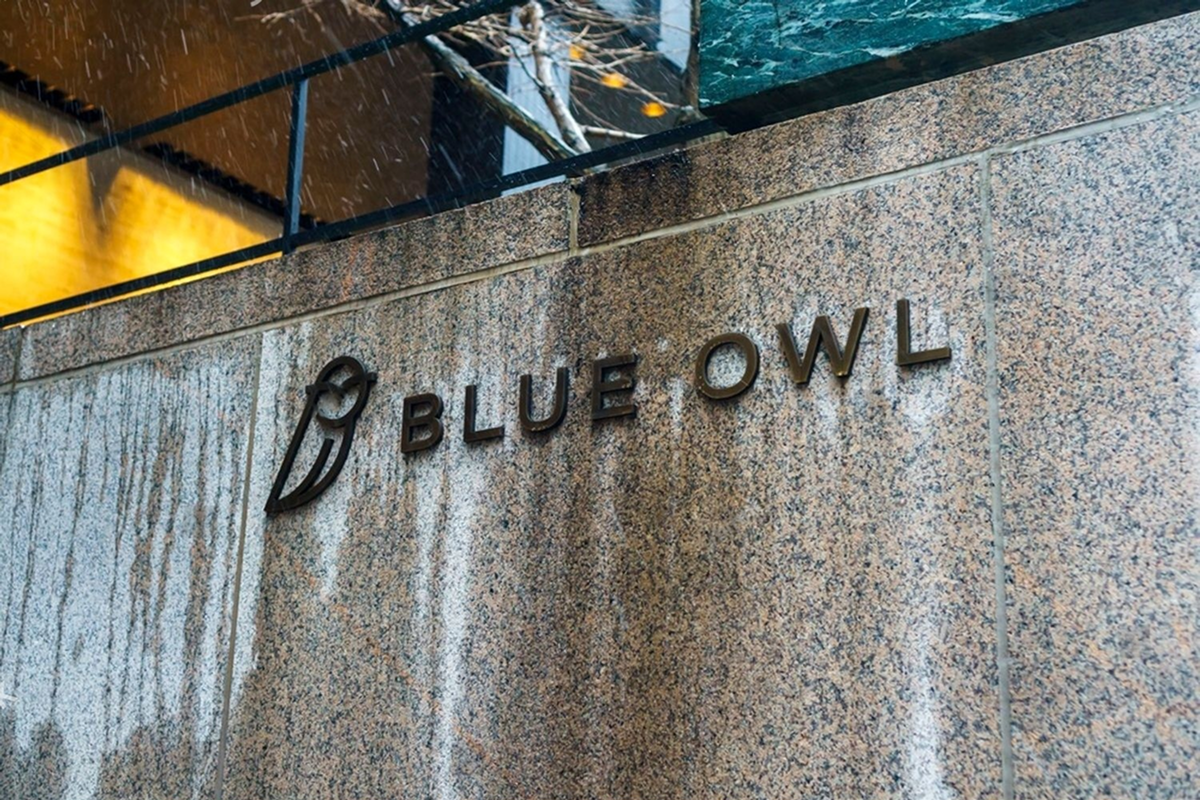
Redemption pressure in parts of the U.S. private credit market eased during the third quarter, offering an early indication that investor stress may be moderating after a difficult start to the year. Blue Owl Capital reported lower withdrawal requests from its two non-traded private credit funds, although the continued volume of redemption demand shows that liquidity and refinancing risks remain important considerations for the rapidly expanding asset class.
Blue Owl Redemptions Continue to Decline
Investors sought to withdraw $4.2 billion from Blue Owl’s two non-traded private credit funds during the third quarter, according to the Reuters report. That represented a decline from $4.7 billion in the second quarter and a record $5.4 billion in the first quarter.
The sequential reduction is significant because private credit funds generally invest in loans and other assets that are less liquid than publicly traded securities. When investors seek to withdraw capital at elevated levels, managers can face greater pressure to manage liquidity while maintaining portfolios of private loans. The decline in withdrawal requests therefore provides some evidence that redemption pressure is becoming less severe in parts of the market.
Private Credit Still Faces Liquidity Constraints
The improvement at Blue Owl does not necessarily indicate that stress has disappeared across private credit. Non-traded funds can impose limits on withdrawals, meaning redemption requests do not always translate directly into immediate asset sales. As a result, investors are likely to remain focused on how fund managers manage requests while protecting portfolio values and maintaining sufficient liquidity.
The broader private credit market has expanded substantially as institutional and private investors have increasingly provided financing outside traditional bank channels. That growth has also increased attention on asset quality, leverage and liquidity, particularly when economic conditions become less supportive or refinancing costs remain elevated.
Technology Exposure Adds Another Layer of Risk
Technology-related lending remains an area requiring close attention. Private credit funds with exposure to technology companies can face additional pressure if borrowers encounter weaker growth, changing valuations or difficulties raising new capital. The refinancing environment is particularly relevant for companies approaching loan maturities in a market where borrowing costs remain higher than in the period when many existing loans were originated.
Refinancing risk can become more significant when borrowers need to replace maturing debt at higher costs. Even companies that remain operationally sound may face tighter financial conditions as lenders reassess credit quality and demand compensation for increased risk.
Redemption Trends Provide an Important Market Signal
The decline in Blue Owl withdrawal requests offers a useful indicator of investor sentiment, but it should not be interpreted in isolation. The trajectory of future redemptions, the performance of underlying loans and the ability of borrowers to refinance will provide a clearer picture of whether current private credit pressures are genuinely easing.
For global investors, the next phase of the market will depend on whether stabilization in fund withdrawals is accompanied by improving credit fundamentals. Refinancing activity, borrower defaults, portfolio valuations and redemption requests will remain important indicators. A continued decline in withdrawals could suggest improving confidence, while renewed redemption pressure could expose liquidity vulnerabilities across funds holding less-liquid private assets.
Comparison, examination, and analysis between investment houses
Leave your details, and an expert from our team will get back to you as soon as possible
* This article, in whole or in part, does not contain any promise of investment returns, nor does it constitute professional advice to make investments in any particular field.
To read more about the full disclaimer, click here
- orshu
- •
- 6 Min Read
- •
- ago 2 hours
SKN | Global Markets Wrap: October 5, 2026 – U.S. Stocks Advance as Nasdaq Leads, Japan Surges and Europe Turns Mixed; Outlook for October 6
Global markets began the week with a generally positive performance on October 5, although regional results varied. U.S. equities advanced,
- ago 2 hours
- •
- 6 Min Read

Global markets began the week with a generally positive performance on October 5, although regional results varied. U.S. equities advanced,

- omer bar
- •
- 7 Min Read
- •
- ago 5 hours
SKN | Asian Markets Edge Higher as India, Japan and Australia Lead Morning Gains
Asian markets are broadly positive in the morning session on Tuesday, October 6, with most major regional benchmarks trading higher.
- ago 5 hours
- •
- 7 Min Read

Asian markets are broadly positive in the morning session on Tuesday, October 6, with most major regional benchmarks trading higher.

- Lior mor
- •
- 6 Min Read
- •
- ago 8 hours
SKN | Schneider Electric Agrees to $22.6 Billion PTC Deal to Expand Industrial AI Strategy
Schneider Electric has agreed to acquire U.S. software company PTC for approximately $22.6 billion, marking the French engineering group’s
- ago 8 hours
- •
- 6 Min Read

Schneider Electric has agreed to acquire U.S. software company PTC for approximately $22.6 billion, marking the French engineering group’s
- omer bar
- •
- 6 Min Read
- •
- ago 9 hours
SKN | Boeing Wins $14.7 Billion Lockheed Contract to Expand PAC-3 Missile Production
Boeing has been awarded a seven-year contract worth approximately $14.7 billion by Lockheed Martin to expand production of PAC-3
- ago 9 hours
- •
- 6 Min Read

Boeing has been awarded a seven-year contract worth approximately $14.7 billion by Lockheed Martin to expand production of PAC-3
